
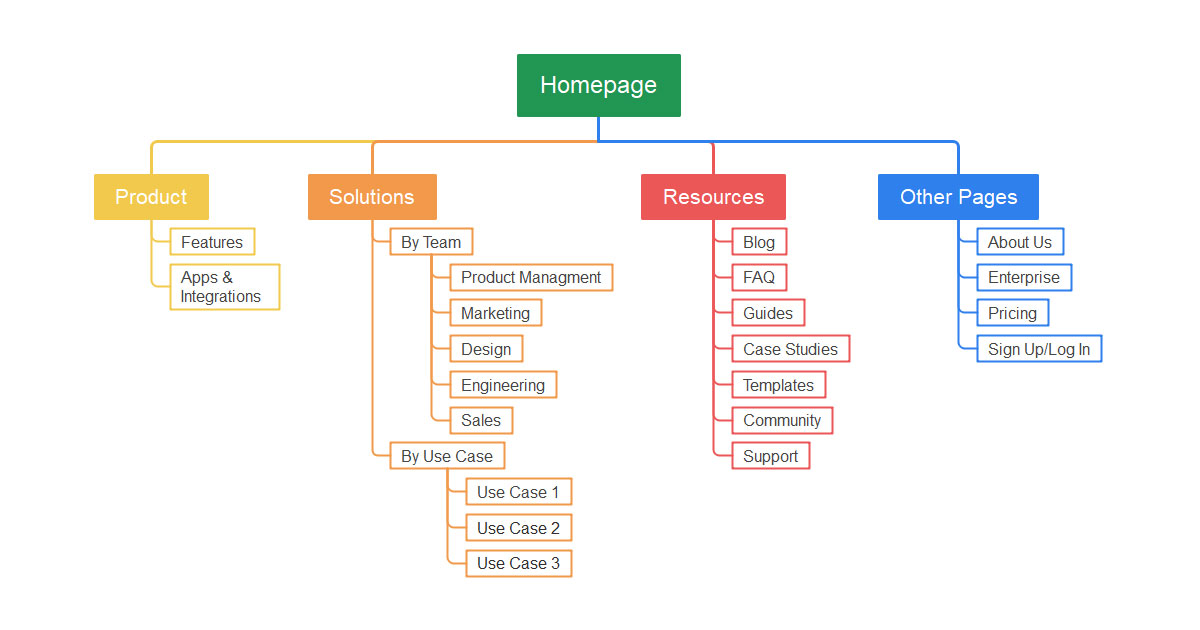
In the fast-evolving world of SEO, where algorithms shift rapidly and trends come and go, certain elements seem to belong to a bygone era. The sitemap is one of those relics—a fundamental tool from the early days of SEO that, in 2024, feels almost outdated. Yet, as with all things in tech, the question of whether it’s still useful is more nuanced than a simple “yes” or “no.”
To get to the bottom of this, we need to examine the sitemap from multiple angles: its historical context, its technical foundations, and how it fits into future SEO strategies. Perhaps a deeper question should be: Have we outgrown the sitemap, or does it still hold a valuable place in our SEO efforts today?
The Origins of the Sitemap: The Foundations of Indexing
To understand whether sitemaps are still relevant today, we must first journey back to their origins. In the early days of the internet, the web was a vast, uncharted space, full of scattered information. Search engines, with their rudimentary technology, needed an efficient way to find, crawl, and index web pages. The sitemap emerged as a solution, providing a clear and logical structure that allowed crawlers to move through websites without getting lost in the chaos.
For a long time, XML sitemaps were the guiding light, helping search engines discover important pages and improve rankings. In an era when search engines couldn’t easily detect relationships between pages, sitemaps acted as a map of connections. However, technology has drastically changed since then, and so have the algorithms that drive search engines.
The Evolution of Search Engines: Do They Still Need a Map?
In 2024, search engines like Google have become much more sophisticated. With advanced algorithms powered by AI and machine learning, search engines can crawl even the most complex websites with ease. This raises the question: Is a sitemap still necessary, or is it redundant in the age of smart crawlers?
Google has claimed that, in many cases, its crawlers are capable enough to index websites without needing an XML sitemap. As a result, many modern websites have started forgoing them, relying on well-organized site architecture and internal linking to ensure all pages are properly indexed.
But here’s the uncomfortable truth: while well-structured, large sites may fare well without a sitemap, smaller sites or those with complex structures may benefit greatly from having one. As Nassim Taleb puts it in The Black Swan, “Survivors are those who anticipate instability.” In this case, sitemaps provide a form of stability that, although unnecessary for some, remains a lifeline for others.
When Sitemaps Are Still Essential
Despite advancements in crawling technology, there are still instances where a sitemap is not just useful but essential. Think of large e-commerce sites with thousands of product pages. These sites generate massive amounts of dynamic content, making it challenging for search engines to properly index every page. In such cases, a sitemap ensures that no valuable content goes undiscovered.
Sitemaps are also crucial for websites that frequently update content or have sections buried deep within the navigation. By offering a clear path for search engines, these sitemaps ensure that new and important content gets indexed quickly. As Seth Godin says in Purple Cow, “Remarkable things aren’t always visible at first glance.” A sitemap helps make the invisible visible to search engines.
The Role in Technical SEO: A Tool for Control

One of the most underrated aspects of sitemaps is their value as a monitoring tool. While they may not be absolutely essential for indexing, sitemaps allow web admins to track which pages have been crawled and indexed and which have not. Through tools like Google Search Console, site owners can receive alerts about crawl errors, blocked pages, or content that isn’t being indexed as it should be.
In today’s world, where technical SEO is becoming increasingly important, the sitemap acts as an anchor, allowing marketers to have granular control over how their site is perceived by search engines. It’s not about creating a sitemap and forgetting it—it’s about using it actively to ensure that all parts of your site are visible and accessible.
The Reality of 2024: Is the Sitemap Still Relevant?
As is often the case in SEO, the answer to whether sitemaps are still useful in 2024 is: it depends. For small, well-structured sites with a clear architecture and no hidden content, search engines will likely index everything without the need for a sitemap. However, for larger sites with complex content or frequent updates, the sitemap remains a powerful tool to ensure every page is crawled.
In The Wisdom of Insecurity, Alan Watts wrote, “Life is uncertain, and that’s part of its beauty.” Similarly, the uncertainty of technology reminds us that, despite advancements, tools that were once essential can still have a place in the modern world. The sitemap, in many ways, is one of those tools: not always indispensable, but often useful.
The Future of the Sitemap in an AI-Driven World
As we look toward a future dominated by AI and machine learning, we might assume that sitemaps will become obsolete. However, SEO continues to evolve, and classic tools like the sitemap may adapt to remain relevant. In the future, the sitemap may not just be a map but a key component in ensuring content is discoverable in ways we haven’t yet imagined.
In conclusion, while the sitemap might not be as essential as it once was, it remains a valuable tool for certain websites, providing a solid foundation in an increasingly complex digital environment. It may not be a relic, but rather a quietly powerful tool that, when used correctly, can make a significant difference in SEO strategies.
You might be interested in
A Journey of Passion and Success: Paula Fukuda’s Story
In the end, the utility of the sitemap hasn’t completely faded. Rather, it remains a valuable resource for specific types of websites, offering a stable foundation in an increasingly unpredictable digital world.
Turn technical signals into social trust. While sitemaps help bots find your pages, social signals prove they are worth reading. Use GGyess SocialSuite to sync your high-authority social content with your web updates, creating the “E-E-A-T” signals that modern search engines demand. Build your authority at GGyess.com