
Social media is a powerful tool, but the secret to unlocking its full potential lies in understanding the unique dynamics of each platform. Tailoring your content to suit each network is essential for maximizing reach and engagement. Let’s dive deep into how to identify and create the right content for every social media channel.

Understanding the Purpose of Each Platform
Each social network serves a different purpose, which determines the type of content that thrives on it.
Facebook: The Community Builder
- Best Content Types:
- Video posts: Tutorials, behind-the-scenes, or product launches.
- Long-form captions: Share detailed stories or case studies.
- Events: Promote webinars, live Q&As, or local happenings.
- Audience Expectation: Community-focused interaction, entertainment, and relatable stories.
Instagram: The Visual Storyteller
- Best Content Types:
- High-quality images: Lifestyle shots, product showcases.
- Reels: Quick, engaging videos for trends or tips.
- Stories: Polls, quizzes, or countdowns for events.
- Audience Expectation: Visually appealing content that tells a story.
Twitter: The Newsroom
- Best Content Types:
- Short, concise updates: Trending news or thought leadership.
- Threads: In-depth insights or educational content.
- Visuals: Infographics and short videos to enhance engagement.
- Audience Expectation: Quick updates and discussions on trending topics.
LinkedIn: The Professional Network
- Best Content Types:
- Industry insights: Articles, case studies, or whitepapers.
- Personal branding: Employee stories or leadership perspectives.
- Recruitment content: Highlight company culture and job openings.
- Audience Expectation: Professional, value-driven, and network-building content.
Step 1: Analyze Audience Demographics and Behavior
The foundation of choosing the right content begins with knowing your audience.
Key Data Points to Review
- Age Groups: Are they Gen Z, millennials, or baby boomers?
- Activity Times: When are they most active on each platform?
- Content Preferences: Do they engage more with videos, infographics, or text posts?
Tools to Use
- Facebook Insights: Provides detailed audience demographics and behavior.
- Instagram Analytics: Tracks content performance, follower activity, and engagement trends.
- LinkedIn Analytics: Highlights top-performing posts and audience insights.
Step 2: Test and Compare Different Formats
Content testing is crucial for identifying what resonates with your audience.
How to Conduct a Test
- Post Similar Content in Different Formats: For instance, create an infographic, a carousel, and a video around the same topic.
- Run A/B Tests: Use slightly different headlines or visuals to compare performance.
- Measure Performance: Track likes, shares, comments, and click-through rates.
| Format | Platform | Metrics to Track |
|---|---|---|
| Videos | Instagram, TikTok | Views, shares, comments |
| Infographics | Saves, likes, click-throughs | |
| Long-form Text | Engagement, reach |

If you want to know more about what content works best on LinkedIn read the following blog: What type of content works best on LinkedIn? – LinkedIn for Business
Step 3: Tailor Your Content to Platform-Specific Features
Every platform has unique features that can boost your visibility when used strategically.
Feature-Specific Content Ideas
- Instagram Reels: Leverage trending audio to make short educational videos.
- LinkedIn Articles: Write thought-provoking pieces that position you as an industry expert.
- Twitter Spaces: Host live discussions or Q&A sessions.
- Facebook Groups: Share exclusive tips or content to build loyalty.
Step 4: Create a Cross-Platform Strategy
While it’s important to tailor your content, a cohesive strategy ensures your brand stays recognizable across platforms.
Tips for Cross-Platform Consistency
- Use similar branding elements (colors, logos, tone).
- Adapt, don’t duplicate: A video on Instagram can be repurposed as a carousel on LinkedIn.
- Align posting schedules to maintain uniformity.
Maximizing Content Effectiveness Across Social Media Platforms
In the previous section, we explored the foundational elements of tailoring content to specific social media platforms. Now, let’s delve deeper into actionable strategies to amplify your content’s impact and keep your audience engaged.
Step 5: Leverage Platform Algorithms
Every social media platform operates on unique algorithms that determine content visibility. Understanding these algorithms is key to creating content that gets noticed.
How Algorithms Work
- Instagram: Prioritizes engagement metrics such as likes, comments, and saves. Consistency in posting also plays a significant role.
- Facebook: Focuses on meaningful interactions, such as shares and comments from close connections.
- LinkedIn: Promotes content that sparks professional discussions and receives early engagement.
- TikTok: Relies on watch time, interactions, and relevance to trending topics.

Tips to Work with Algorithms
- Post Regularly: Maintain a consistent schedule to stay on the radar of each platform’s algorithm.
- Encourage Engagement: Ask questions or use CTAs like “Double-tap if you agree!” to boost interactions.
- Use Relevant Hashtags: Optimize your content’s discoverability with targeted hashtags.
Step 6: Develop Platform-Specific Content Themes
Different types of content perform better depending on the platform. Curating unique content themes for each platform ensures diversity while retaining brand consistency.
| Platform | Content Themes | Example Ideas |
|---|---|---|
| Behind-the-scenes, lifestyle | A day in the life of your team, product-making process | |
| Thought leadership, employee stories | How your company innovates, spotlight on team members | |
| TikTok | Challenges, tutorials | Quick tips for using your product, fun team challenges |
| News updates, customer engagement | Responding to trending topics, live-tweeting events |
Step 7: Optimize Visual and Textual Balance
Striking the right balance between visuals and text is critical to maintaining audience interest. While some platforms favor visually dominant content, others prioritize insightful text.
Creating Visually Engaging Content
- High-Quality Images: Avoid stock photos when possible. Instead, showcase authentic visuals relevant to your brand.
- Dynamic Videos: Add captions to videos for better accessibility.
- Infographics: Use charts and graphs to present data compellingly.
Enhancing Textual Impact
- On LinkedIn: Use professional yet relatable language to address industry pain points.
- On Instagram: Keep captions concise, but include value-packed information.
- On Twitter: Employ humor or wit to make your points stick.
Step 8: Monitor and Adapt Your Content Strategy
Your content’s effectiveness depends on continuous monitoring and adaptation. Platforms evolve, and so do audience preferences.
Metrics to Track
- Engagement Rate: Indicates how well your content resonates with the audience.
- Reach and Impressions: Show how far your content spreads.
- Click-Through Rate (CTR): Highlights interest in your CTAs.
- Conversion Rates: Tracks the success of turning viewers into customers.
How to Adapt
- Experiment with new content types (e.g., Instagram Reels or LinkedIn Carousels).
- Stay updated on platform trends to maintain relevance.
- Use insights from analytics tools like GGyess to identify patterns in audience behavior.
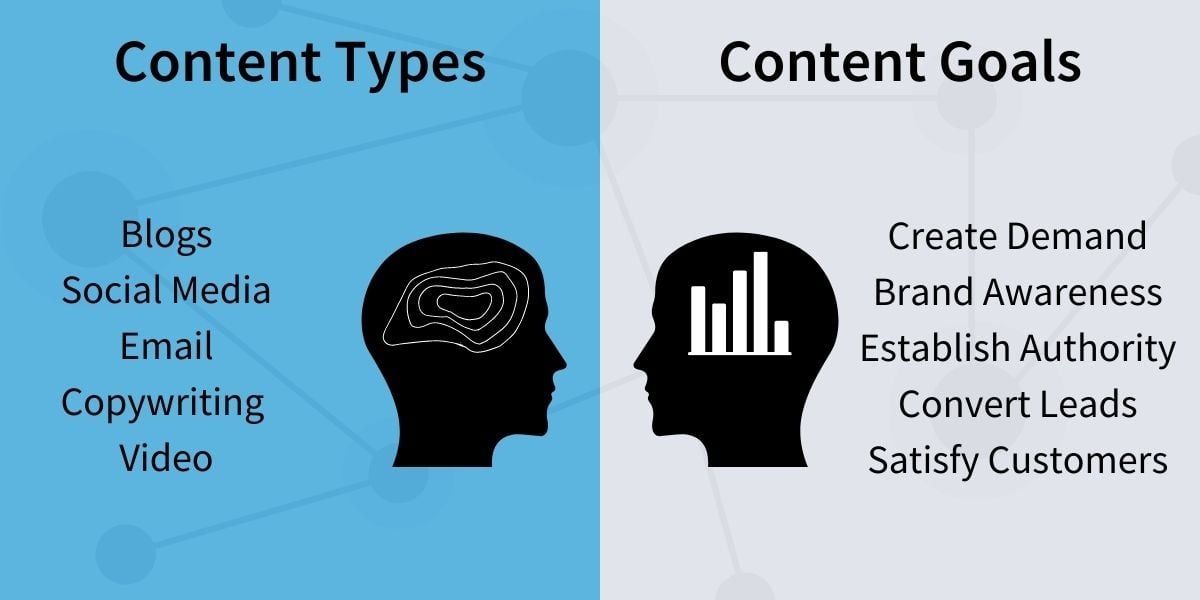
Find out more about this topic by reading: The 8 Main Different Types of Content and How to Use Them
Step 9: Plan Content in Advance
A well-structured content calendar can save time and reduce stress while ensuring a steady stream of posts.
Steps to Build a Content Calendar
- Outline Key Dates: Highlight industry events, holidays, or product launches.
- Assign Content Types: Determine which format suits each date.
- Use Scheduling Tools: Platforms like GGyess can simplify the scheduling process by allowing you to publish across multiple channels seamlessly.

Step 10: Encourage User-Generated Content
User-generated content (UGC) fosters trust and enhances authenticity, making it an invaluable tool for engaging your audience.
Incentives for UGC
- Host a contest or giveaway where participants submit content featuring your brand.
- Create hashtags to make it easy for followers to share their experiences.
- Repost UGC to showcase community support.
Practical Tips for Content Strategy Success
1. Maintain a Consistent Tone
Your brand’s voice should resonate across all platforms. Whether it’s witty, professional, or casual, consistency builds recognition.
2. Engage with Your Audience
Responding to comments, answering DMs, or even reposting user feedback fosters stronger connections.
3. Leverage Automation Tools
Tools like GGyess can help streamline the posting process, track analytics, and even suggest optimized posting times.
Creating the right type of content for each social network is not just about following trends—it’s about understanding your audience, leveraging each platform’s unique strengths, and continuously refining your strategy. Whether you’re focusing on bite-sized videos for TikTok, professional thought pieces for LinkedIn, or visually engaging posts for Instagram, success lies in aligning your content with the preferences and behaviors of your audience.
The key takeaway is to remain adaptable and open to experimenting. Use analytics tools, like GGyess, to gain insights into what works best for your brand. Remember, the best content strategies are those that prioritize value over volume, engagement over virality, and connection over mere visibility.
Start today by auditing your current content, identifying opportunities for improvement, and crafting a tailored strategy for each platform. By doing so, you’ll not only grow your audience but also foster meaningful interactions that turn followers into loyal advocates.