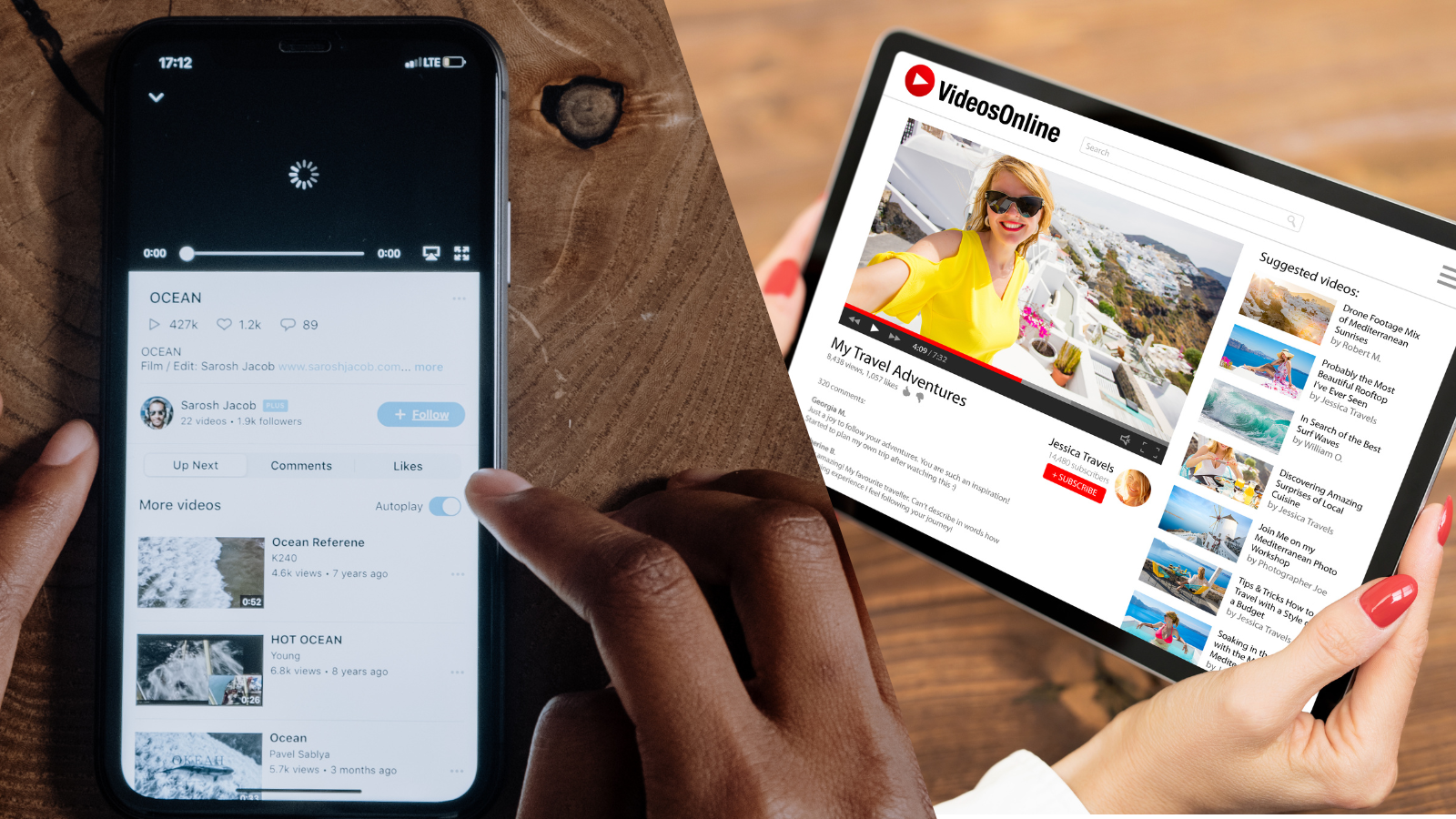
Introduction: Video content is one of the pillars of today’s digital marketing. The ability to convey emotions, ideas, and messages visually and dynamically makes video a crucial tool for companies and content creators. However, a critical question arises: where should you publish your videos? Among the most popular options are YouTube and Vimeo, two platforms that offer unique features and, depending on your objectives, can significantly influence your success.
In this article, we will thoroughly explore the differences, advantages, and limitations of these platforms, helping you make an informed decision about which one best suits your needs.
The Impact of Video in the Digital Age
The data doesn’t lie: video is the king of online content. According to recent statistics, users consume an average of 19 hours of video content per week, and this number is expected to grow in the coming years. Companies that use video as part of their marketing strategy generate 49% more annual revenue compared to those that don’t.
Why is video so effective?
- Captures attention quickly: In an information-saturated environment, videos stand out by grabbing the audience’s attention within seconds.
- Creates emotional connections: Moving images combined with music and storytelling evoke deeper emotions than text or static images.
- Enhances message retention: Users remember 95% of the information presented in a video, compared to only 10% when reading text.
With these advantages, it’s no surprise that many brands are investing in audiovisual content. However, once the video is created, the next challenge is deciding where to publish it.
YouTube: The Video Giant
YouTube is synonymous with online video. With over 2 billion monthly active users and more than a billion hours of content watched daily, this platform sets the standard for sharing videos worldwide. But its popularity is not its only strength.
Advantages of YouTube
- Global audience: YouTube is the second most-visited platform globally, right after Google. This means your videos have the potential to reach a massive audience, regardless of geographic location.
- Monetization: Through YouTube’s Partner Program, creators can earn money from ads, channel memberships, and Super Chats, making it a profitable platform for many.
- Integrated SEO: YouTube videos are automatically positioned on Google, increasing their visibility. By optimizing the title, description, and tags, you can attract organic traffic to your content.
- Audience interaction: YouTube offers features like comments, likes, and polls, making it easier to build a community around your content.
Disadvantages of YouTube
- Fierce competition: With over 500 hours of video uploaded every minute, standing out on YouTube can be daunting.
- Intrusive ads: Free users must endure ads before and during videos, which can impact the viewer’s experience.
- Limited customization: While you can personalize your channel, the platform has limitations in terms of branding and control over content presentation.

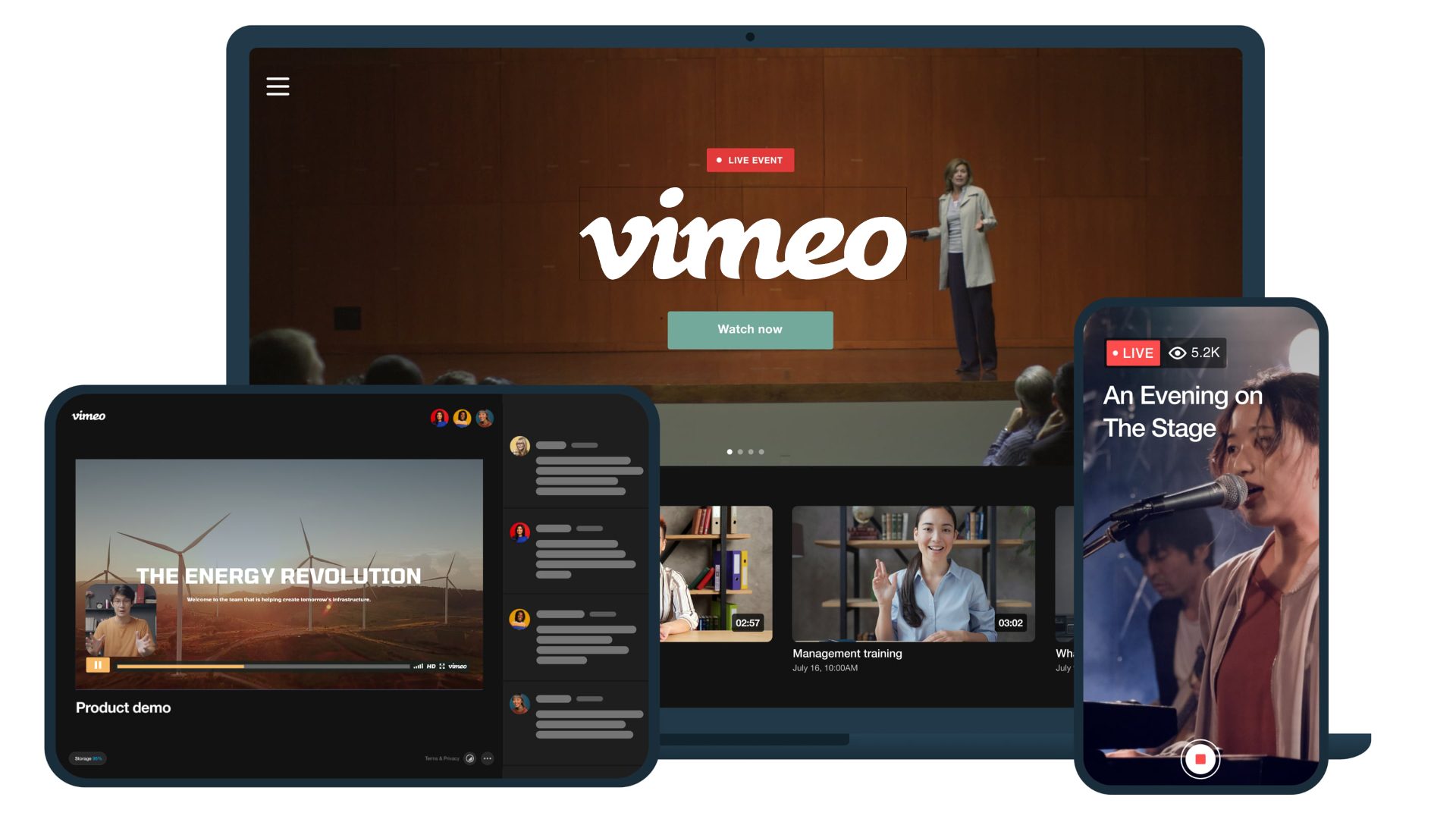
Vimeo: The Professional Choice
Although less known than YouTube, Vimeo has carved out a niche among professional content creators. Founded in 2004, this platform focuses on content quality and offers advanced tools for demanding creators.
Advantages of Vimeo
- Superior quality: Vimeo prioritizes video quality, with less compression and options for higher resolutions. This makes it ideal for filmmakers, designers, and creative businesses.
- Advanced customization: Vimeo users can personalize the video player, remove the platform’s logo, and align it with their brand’s aesthetic.
- Ad-free experience: Unlike YouTube, Vimeo doesn’t insert ads into videos, ensuring a seamless viewing experience.
- Specialized audience: While smaller, Vimeo’s audience tends to be more professional and focused, which is ideal for niche content.
Disadvantages of Vimeo
- Limited audience: Compared to YouTube, Vimeo has a significantly smaller user base.
- Costs: Accessing Vimeo’s advanced features requires a paid subscription, which can be a barrier for some creators.
- Lower SEO impact: Vimeo videos don’t have the same visibility on Google as YouTube videos, which can limit their reach.
Comparison: YouTube vs. Vimeo
Choosing between YouTube and Vimeo depends on several factors, including your objectives, the type of content you produce, and the audience you want to reach. Here’s a detailed comparison:
| Feature | YouTube | Vimeo |
|---|---|---|
| Audience | Global and diverse | Professional and niche |
| Video Quality | High, but with compression | Superior, with less compression |
| Monetization | Ads and memberships | Direct video sales |
| Cost | Free | Subscriptions from $7/month |
| Customization | Limited | Advanced |

Factors to Consider When Choosing the Right Platform
Before deciding, it’s crucial to analyze your specific needs:
- Content goals:
- If you aim for virality and massive reach, YouTube is the clear choice.
- If your priority is quality and user experience, consider Vimeo.
- Target audience:
- YouTube is ideal for mass-consumption content.
- Vimeo is better suited for professional or artistic niches.
- Budget:
- YouTube is completely free for creators.
- Vimeo requires an investment but offers exclusive benefits.
- Monetization capability:
- YouTube provides multiple revenue streams through ads.
- Vimeo allows you to sell your videos directly or access premium plans.
Maximizing Impact on YouTube and Vimeo: Advanced Strategies
1. Multi-Channel Promotion:
Publishing a video is just the first step. Effective promotion across multiple platforms is key to maximizing its reach.
- Social Media: Share highlights on platforms like Instagram, TikTok, and Facebook. Use Instagram Stories or Reels to direct traffic to the full video on YouTube or Vimeo.
- Email Newsletters: Send updates to your subscribers with direct links to your videos. Accompany these emails with an engaging summary or an invitation to interact with the content.
- Brand Ambassadors: If you have strategic allies or brand ambassadors, invite them to share your videos. This expands your reach to new audiences.
Example: A tech company can upload a tutorial on YouTube, send a newsletter to current clients, and post an eye-catching clip on Instagram linking to the full video.
2. Leverage Analytics to Improve Performance:
Both YouTube and Vimeo offer analytical tools to help you understand how your audience interacts with your videos.
- YouTube Analytics: Track metrics such as watch time, audience retention, thumbnail clicks, and engagement in comments. These stats help identify what content resonates most with your audience.
- Vimeo Advanced Analytics: Vimeo provides detailed insights into viewer behavior, including completion rates and geographic locations. This is particularly useful if your content targets specific markets.
Data-Driven Optimization: Use these insights to adjust future videos. For instance, if viewers drop off after the first 30 seconds, revisit your initial hook to keep them engaged.
How to Maximize Engagement on Each Platform
1. Create Content Series:
Thematic series keep your audience interested and coming back for more. For example, develop an educational series with short episodes covering key industry topics.
- YouTube: Use playlists to organize your videos by specific themes. This makes it easier for viewers to find related content.
- Vimeo: Create a private collection for premium clients featuring exclusive videos as part of an educational or membership program.
2. Directly Engage with Your Audience:
Encourage dialogue by responding to comments promptly and hosting live Q&A sessions.
- YouTube Live: Host live streams to interact with followers in real time. Answer questions, share updates, or demonstrate live tutorials.
- Vimeo Livestream: Deliver high-quality streams for professional presentations or exclusive events.

Monetization: Strategies to Generate Revenue
If your goal is to monetize your content, both platforms offer unique opportunities tailored to different business models.
1. Ad Revenue on YouTube:
YouTube’s Partner Program allows you to earn revenue through ads. However, it’s important to balance user experience with ad placement, as too many ads can frustrate viewers.
2. Premium Content on Vimeo:
Vimeo enables direct sales of content through its Vimeo On Demand feature. This is ideal for creators offering courses, documentaries, or specialized content.
3. Sponsorships and Collaborations:
Regardless of the platform, seek partnerships with brands aligned with your audience. Sponsored mentions and collaborations can be a significant income source.

Using GGyess to Complement Your Video Strategy
Promoting and managing content across multiple platforms can be overwhelming, especially if you regularly publish on YouTube and Vimeo. This is where GGyess makes a difference:
- Social Media Management: Use GGyess to schedule posts that drive traffic to your videos, maximizing exposure and reach.
- Centralized Analytics: While YouTube and Vimeo provide their own statistics, GGyess consolidates data from your social media channels, offering an integrated view of your strategy.
- Time-Saving Automation: Automate posts related to your videos, allowing you to focus on creating quality content.
Success Stories: YouTube and Vimeo in Action
Case 1: Personal Wellness Brand
A wellness brand uses YouTube to post free workout videos, building a large audience and positioning itself as an industry leader. Simultaneously, it offers personalized premium programs on Vimeo for clients seeking an exclusive experience.
Case 2: Creative Agency
A design agency uses Vimeo to showcase its portfolio in top-notch quality, ensuring that colors, graphics, and animations look impeccable. Additionally, they post tutorials on YouTube to attract new clients and educate a broader audience.
Conclusion
Deciding between YouTube and Vimeo is not a one-size-fits-all solution; it depends on your goals, budget, and target audience. Both platforms have strengths that can be strategically leveraged for different purposes. While YouTube offers massive reach and monetization options, Vimeo provides a premium experience and advanced customization tools.
If you decide to use both platforms, integrate their capabilities into a coherent strategy that maximizes the impact of your content. And remember, tools like GGyess can simplify your social media management efforts, helping you effectively promote your videos and achieve your goals.