Introduction
Launching a digital marketing campaign is often a moment filled with optimism and excitement. You’ve meticulously planned every aspect—choosing the best platforms, designing eye-catching visuals, and crafting compelling ad copy—all with the hope of achieving significant results. However, when your campaign underperforms, it can leave you feeling frustrated and unsure of what went wrong.
It’s important to understand that every digital marketing campaign, no matter how well-planned, is a learning opportunity. Underperformance doesn’t mean failure; it means there is room for refinement. The dynamic nature of digital marketing requires continuous analysis and adaptation to ensure your efforts align with your audience’s expectations. This blog will guide you through diagnosing common problems, understanding key performance metrics, and implementing actionable strategies to turn your campaign around and achieve the results you desire.

Understanding Why Digital Marketing Campaigns Struggle
When a campaign doesn’t deliver the desired results, it’s essential to identify the root causes before jumping to solutions. Many factors could contribute to a lackluster performance, ranging from audience mismatches to insufficient content quality.
Setting Clear and Measurable Objectives
One of the most common reasons campaigns fail is the absence of clearly defined goals. When objectives are vague, such as “increase engagement” or “boost sales,” it becomes nearly impossible to measure success effectively or determine whether your strategy is working. Without a specific target, campaigns often lack the focus needed to drive impactful results.
How to Fix It: Start by setting SMART goals—Specific, Measurable, Achievable, Relevant, and Time-bound. For instance, instead of saying, “We want more website traffic,” specify, “We aim to increase website traffic by 25% over the next three months through targeted Google Ads campaigns.” SMART goals provide clarity and a roadmap for success, making it easier to track progress and make informed adjustments.

Addressing Mismatched Targeting
No matter how visually appealing or persuasive your campaign is, it won’t succeed if it’s presented to the wrong audience. Misaligned targeting is a common mistake, often resulting from outdated or incomplete audience research. For example, targeting a broad demographic without considering specific interests or behaviors can dilute your efforts and waste your budget on individuals unlikely to convert.
Solution: Revisit your audience personas and ensure they reflect your ideal customers. Use tools like GGyess, which offer advanced audience insights and segmentation, enabling you to reach the right people with the right message. Additionally, run A/B tests to compare how different audience groups respond to your campaign. By narrowing your focus to a more precise demographic, you can maximize your campaign’s impact and reduce wasted ad spend.
Optimizing Content and Messaging
Content is the backbone of any digital marketing campaign, and its quality can make or break your success. Weak headlines, generic visuals, and uninspiring CTAs often result in disengaged audiences. If your messaging fails to resonate, even a perfectly targeted audience may lose interest.
Improving Content Effectiveness: Start by analyzing the tone and structure of your messaging. Is it addressing your audience’s pain points and aspirations? Use engaging visuals and bold headlines to capture attention. CTAs should be action-oriented and tailored to your specific goals. For instance, “Download Your Free Guide Today” is far more effective than a generic “Click Here.” Regularly updating your content to reflect current trends or seasonal themes can also keep your campaign fresh and relevant.
In addition to improving visuals and copy, ensure that your content aligns with the platform you’re using. A Facebook ad, for instance, may require a different tone and format than an email newsletter or a YouTube pre-roll video. Understanding the nuances of each platform allows you to create content that feels native and relatable, increasing the likelihood of engagement.

The Role of Landing Pages
Even if your ad campaign successfully drives traffic, a poorly optimized landing page can prevent visitors from converting. A disconnect between the ad’s promise and the landing page’s content often leads to high bounce rates and low conversion rates.
How to Optimize Landing Pages: The first step is to ensure consistency between your ad and landing page. If your ad promotes a 20% discount, this offer should be immediately visible on the landing page. Additionally, simplify the user experience by removing unnecessary distractions. A clean layout with a single, clear CTA can significantly improve conversion rates. Mobile optimization is also crucial, as a growing number of users access content through smartphones.
Analyzing Metrics and Making Adjustments
To truly understand why your digital marketing campaign is underperforming, you need to dive into the data. Metrics are your window into what’s working and what isn’t, and they can guide you in making informed decisions. However, interpreting these metrics requires a structured approach to ensure you’re addressing the root of the problem.
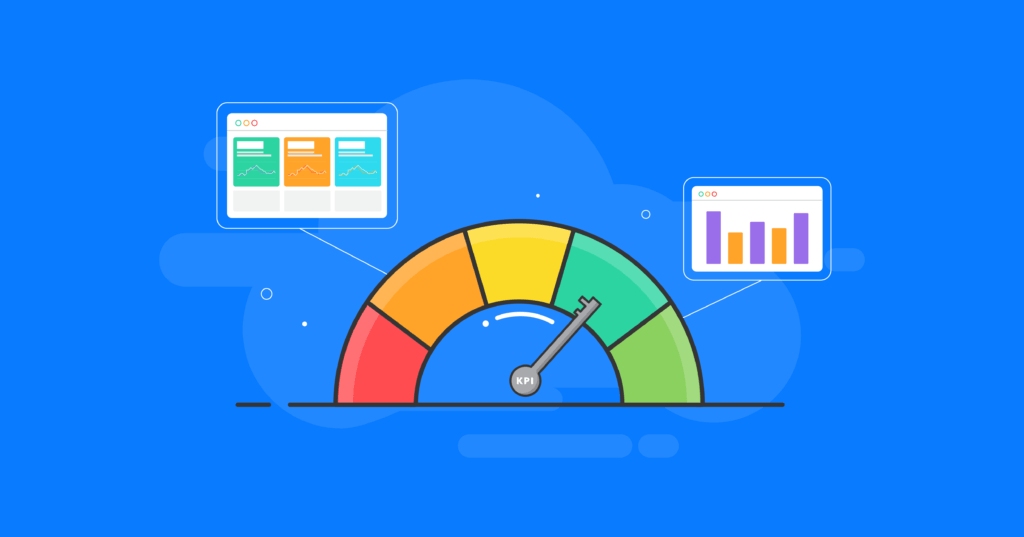
Understanding Key Performance Indicators (KPIs)
Before making adjustments, it’s essential to identify the right KPIs for your campaign. Each metric provides a unique insight into how your audience is interacting with your content and where improvements are needed.
1. Click-Through Rate (CTR)
CTR measures the percentage of people who clicked on your ad or post compared to those who saw it. A low CTR often indicates that your content isn’t engaging or relevant enough to prompt action.
2. Conversion Rate
This metric reveals how many of those clicks actually led to a desired action, such as a purchase, sign-up, or download. Low conversion rates may suggest that while your ad piqued interest, your landing page failed to deliver.
3. Cost Per Click (CPC)
CPC tells you how much you’re paying for each click. High CPC can indicate that your ad is competing in a crowded space or that your targeting needs refinement.
4. Bounce Rate
A high bounce rate shows that users are leaving your website after viewing just one page. This often signals a mismatch between the ad and the landing page content.

Using Metrics to Guide Improvements
To make the most of your data, start by creating a table to visualize your campaign’s performance across multiple platforms:
| Metric | Platform | Current Performance | Target Performance | Action Steps |
|---|---|---|---|---|
| CTR | 1.2% | 3.5% | Test new visuals and headlines. | |
| Conversion Rate | Google Ads | 2% | 5% | Optimize landing page design. |
| CPC | $1.50 | $0.90 | Refine audience targeting. | |
| Bounce Rate | Website | 65% | 40% | Align landing page content better. |
This table serves as a roadmap for tracking your campaign’s progress and pinpointing areas that need immediate attention.
Adjusting Your Digital Marketing Strategy
Once you’ve identified the weak spots in your campaign, it’s time to make adjustments.
1. Enhancing Content Quality
If your CTR is low, your content might not be resonating with your audience. Focus on crafting more compelling messages that highlight clear benefits. Use visuals that stand out, such as bold colors, dynamic videos, or infographics that simplify complex ideas.
Tip: Incorporate A/B testing to experiment with different headlines, images, and CTAs. Platforms like GGyess can make this process seamless by providing analytics on which version performs best.
2. Reassessing Audience Targeting
Digital platforms offer powerful tools for targeting specific demographics, but they need to be used effectively. If you’re reaching the wrong audience, your budget is essentially wasted.
Steps to Refine Targeting:
- Use analytics to identify patterns among engaged users.
- Build lookalike audiences based on your existing customers.
- Exclude irrelevant groups to focus your ads on high-potential leads.
3. Budget Reallocation
Not all platforms will yield the same ROI, and that’s okay. The key is to invest more in channels that deliver results.
Example of Budget Optimization:
| Platform | Initial Spend | Adjusted Spend | Reason |
|---|---|---|---|
| Facebook Ads | $500 | $700 | High CTR, strong engagement. |
| Google Display | $400 | $200 | Low conversion rates. |
| Instagram Reels | $300 | $500 | Growing audience interest. |
This kind of strategic adjustment ensures your marketing dollars are working harder for you.
Once you’ve adjusted your campaign and started seeing improvements, it’s time to think about scaling and maintaining your success. A well-optimized campaign isn’t a one-time effort; it requires consistent monitoring and iterative improvements. Let’s break down how you can scale your campaign and sustain its performance over time.
Scaling Your Campaign
Scaling a digital marketing campaign involves increasing its reach and impact without sacrificing efficiency or ROI. Here’s how you can do it effectively:
1. Increase Your Budget Strategically
Start by reinvesting the revenue generated from your improved campaign. However, rather than a blanket increase in spend across all platforms, focus on the channels and campaigns that are delivering the best results.
How to Allocate Additional Budget:
- Double down on ads with a high CTR and conversion rate.
- Experiment with extended audience segments using the data you’ve gathered.
- Increase spending gradually to avoid sudden inefficiencies.
2. Expand to New Platforms
If your current campaign is performing well on one platform, consider replicating it on another. For example, if your Facebook ads are driving results, explore Instagram ads with similar creatives.
Considerations When Expanding:
- Adapt your messaging and visuals to suit the new platform’s audience.
- Test small budgets first to gauge the platform’s potential.
- Use tools like GGyess to track cross-platform performance seamlessly.

3. Diversify Content Formats
Adding variety to your content can help you reach different segments of your audience. While static images and videos might work well on Facebook, Instagram Stories or LinkedIn articles could open up new opportunities.
Content Ideas for Diversification:
- Create short, engaging videos for platforms like TikTok or YouTube Shorts.
- Write long-form articles to position yourself as an authority in your field.
- Use interactive polls or quizzes to engage users and gather insights.
Monitoring and Optimization
Even after scaling, your campaign’s performance needs to be monitored consistently. This ensures that you’re not just maintaining results but also identifying areas for further improvement.
1. Establish a Regular Review Schedule
Set up weekly or monthly reviews to assess your campaign’s performance metrics. Look for trends over time to understand what’s working and what isn’t.
| Metric | Weekly Review | Action Steps |
|---|---|---|
| CTR | Up by 1.5% | Continue with high-performing ads. |
| Conversion Rate | Dropped by 0.5% | Reassess landing page content. |
| CPC | Increased by $0.20 | Refine audience targeting further. |
2. Use Automation Tools
Automation tools like GGyess can simplify your monitoring process by providing real-time updates, actionable insights, and automated alerts when performance deviates from your benchmarks.
3. Keep Testing
Even successful campaigns can be improved. Use A/B testing as an ongoing practice to refine every aspect of your campaign, from ad copy to targeting parameters.

Creating a Dynamic and Informative Conclusion
To close your campaign analysis and optimization process, summarize your key findings and create a clear action plan. Here’s an example of how your conclusion might look:
Conclusion
Digital marketing campaigns are rarely perfect on the first try, and that’s okay. The key is to approach underperformance as a learning opportunity rather than a setback. By analyzing your metrics, refining your content, adjusting your targeting, and scaling strategically, you can turn a struggling campaign into a resounding success.
Remember, consistency and adaptability are the cornerstones of any effective marketing strategy. Tools like GGyess can support you in this journey, offering analytics, automation, and optimization features to make your campaigns not only effective but sustainable.
Every tweak, adjustment, and iteration brings you closer to your goals. Stay curious, stay creative, and let your campaign evolve into something truly impactful.