
Introduction
Instagram has evolved into one of the most powerful tools for businesses, creators, and brands to connect with their audience. Beyond the visuals, Instagram offers a treasure trove of metrics that can guide your strategy, optimize your content, and help you achieve your goals. However, these metrics can sometimes feel confusing or overwhelming.
In this comprehensive guide, we’ll delve deep into the most important Instagram metrics, explain their significance, and show you how to leverage them effectively. With this knowledge, you’ll transform raw data into actionable insights to grow your account and make meaningful connections with your audience.
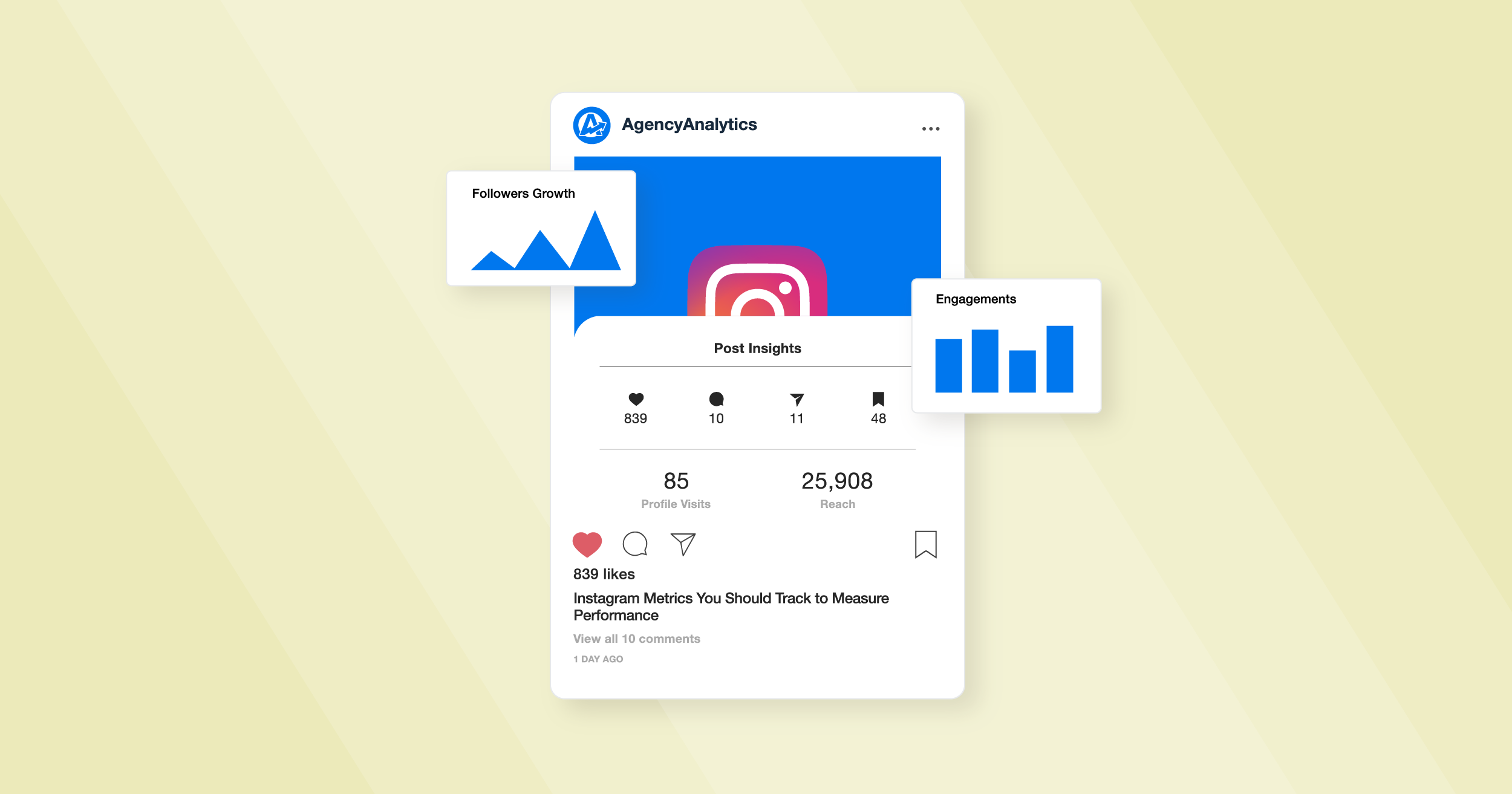
Understanding Instagram Metrics
Instagram metrics are the backbone of any successful social media strategy. They provide insights into how your content is performing, how engaged your audience is, and where there’s room for improvement. Let’s break down the key metrics:
1. Engagement Rate
Engagement rate is one of the most critical metrics as it reflects how much your audience interacts with your content. It measures likes, comments, shares, and saves relative to your follower count.
Formula for Engagement Rate:

Why It Matters:
A high engagement rate signifies that your content resonates with your audience, fostering loyalty and trust.
How to Improve Engagement:
- Use interactive features like polls, quizzes, and Q&A on Instagram Stories.
- Respond to comments and messages to build stronger connections.
- Post at optimal times when your audience is most active.
2. Reach vs. Impressions
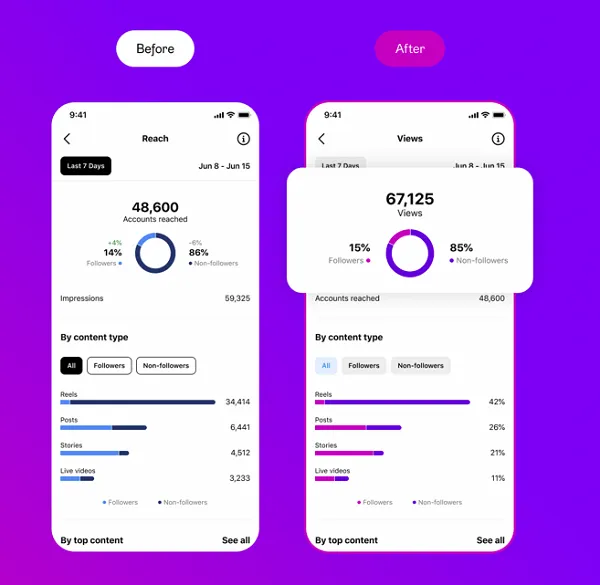
These two metrics often get confused but serve distinct purposes:
- Reach: The number of unique accounts that have seen your post.
- Impressions: The total number of times your content was displayed, including multiple views by the same account.
Why They Matter:
- Reach helps you understand how far your content is spreading.
- Impressions indicate how frequently your content is viewed, signaling its relevance and attractiveness.
How to Boost Reach and Impressions:
- Use trending hashtags and geotags.
- Collaborate with influencers or accounts in your niche.
- Experiment with different content types, such as reels, carousels, and videos.

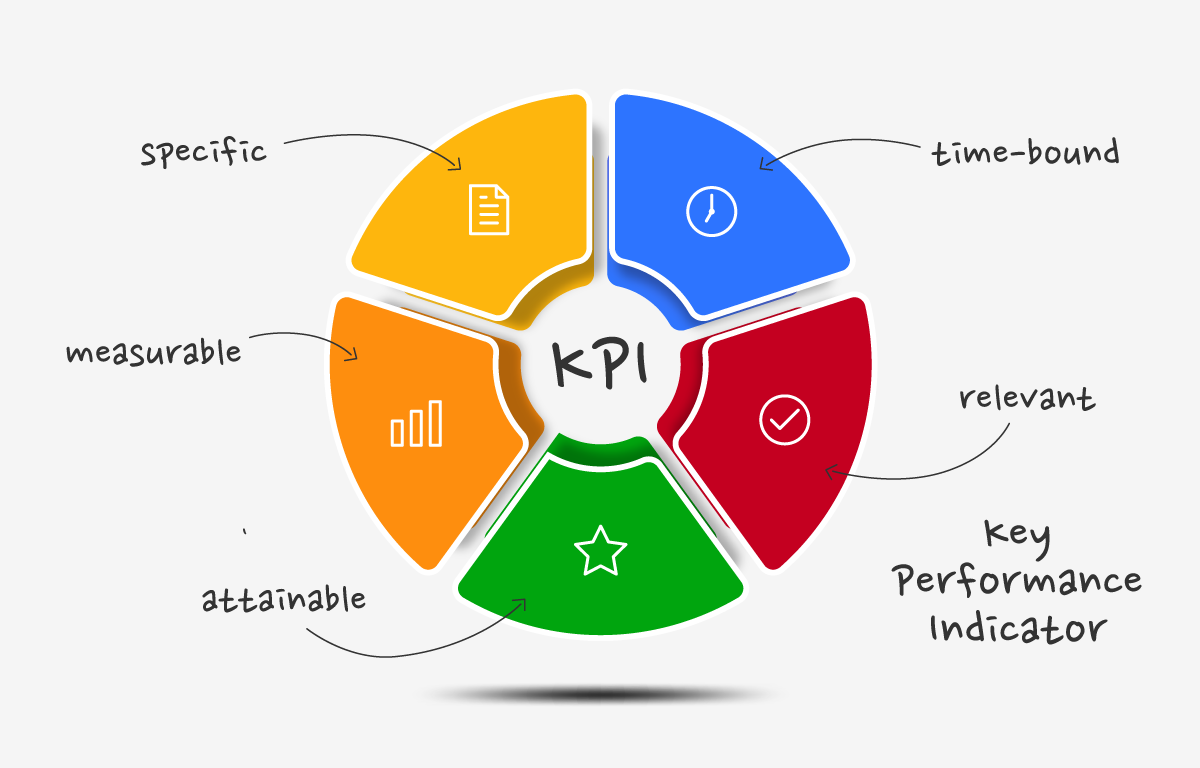
Key Performance Indicators
To truly harness the power of Instagram metrics, you need to track a variety of KPIs (Key Performance Indicators):
3. Follower Growth
Monitoring your follower growth helps you gauge whether your content strategy is attracting the right audience.
Tips to Increase Follower Growth:
- Post consistently to keep your account active.
- Offer value through educational or entertaining content.
- Promote your Instagram on other platforms or email newsletters.
4. Profile Visits
This metric shows how many users clicked on your profile after viewing your content. A high number of profile visits is a strong indicator of interest.
How to Encourage Profile Visits:
- Include compelling CTAs in your posts like “Check out our bio for more!”
- Use striking visuals or teasers that entice users to learn more about you.
Advanced Metrics to Track
5. Website Clicks
This metric tracks how many people clicked on the link in your bio, leading to your website or landing page.
How to Maximize Website Clicks:
- Use a clear CTA in your bio, like “Shop now” or “Learn more.”
- Share content that teases what users can find by clicking the link.
6. Saves
When users save your posts, it signals that your content is valuable and worth revisiting.
Why Saves Are Important:
- They indicate long-term interest in your content.
- They boost Instagram’s algorithm ranking, making your post more likely to appear in Explore feeds.
How to Increase Saves:
- Share educational content, such as how-to guides or infographics.
- Create posts with actionable tips that users might want to refer back to.

Actionable Strategies for Using Metrics to Improve
Analyze Trends Over Time
Tracking metrics over weeks or months reveals patterns and trends. For example, you might notice that your reels consistently outperform static posts, signaling a need to focus on video content.
Conduct A/B Testing
Test different elements of your posts, such as captions, hashtags, or posting times, to see what drives the best results.
Refine Your Audience Targeting
Use insights about your followers’ demographics and interests to create tailored content that resonates.
7. Story Interactions
Instagram Stories are a dynamic way to engage with your audience, and the interactions on them can provide valuable insights. Metrics like taps forward, taps back, exits, and replies help you understand how viewers navigate through your stories.
Key Story Metrics:
- Taps Forward: Indicates viewers quickly skipping ahead. High numbers may suggest your content isn’t engaging.
- Taps Back: Reflects interest, as viewers are rewatching a previous story.
- Exits: Signals when viewers abandon your story entirely.
- Replies: Demonstrates direct engagement and strong viewer interest.
How to Improve Story Metrics:
- Use engaging elements like polls, sliders, and countdowns.
- Keep stories concise and visually appealing.
- Include a CTA to encourage replies, such as “What do you think?”
8. Reels Metrics
Reels are one of Instagram’s most powerful tools for organic reach. Analyzing metrics specific to reels, such as views, shares, and engagement, can guide your content creation.
Key Metrics for Reels:
- Views: Total number of times the reel was watched.
- Shares: Indicates how often users shared your reel with others, expanding reach.
- Comments: Reflects how much the content resonated with viewers.
Tips for Maximizing Reels Performance:
- Use trending audio to boost discoverability.
- Create visually captivating content within the first three seconds to grab attention.
- Encourage sharing by adding relatable or inspirational elements.
9. Hashtag Performance
Hashtags are a critical component of discoverability on Instagram. Monitoring which hashtags drive the most engagement helps you refine your strategy.
How to Track Hashtag Performance:
- Use Instagram Insights to see how many impressions came from hashtags.
- Experiment with niche-specific hashtags for better targeting.
Effective Hashtag Practices:
- Use a mix of popular and less competitive hashtags.
- Update your hashtag list regularly to align with trends.
- Avoid banned or irrelevant hashtags to maintain visibility.
Practical Applications of Instagram Metrics
Knowing the metrics is just the first step. Here’s how you can apply these insights to make informed decisions:
Content Planning and Optimization
By analyzing your metrics, you can identify what type of content resonates most with your audience and double down on that. For example:
- High engagement on educational carousels? Plan more posts with tips or step-by-step guides.
- Low reach on certain topics? Consider revisiting your audience’s interests or adjusting your format.
Adjusting Posting Schedules
Use Instagram Insights to determine when your audience is most active. Posting during these times can significantly boost engagement.
Sample Optimal Posting Schedule:
| Day | Time Range |
|---|---|
| Monday | 12 PM – 2 PM |
| Wednesday | 9 AM – 11 AM |
| Friday | 3 PM – 5 PM |
Streamline Your Workflow
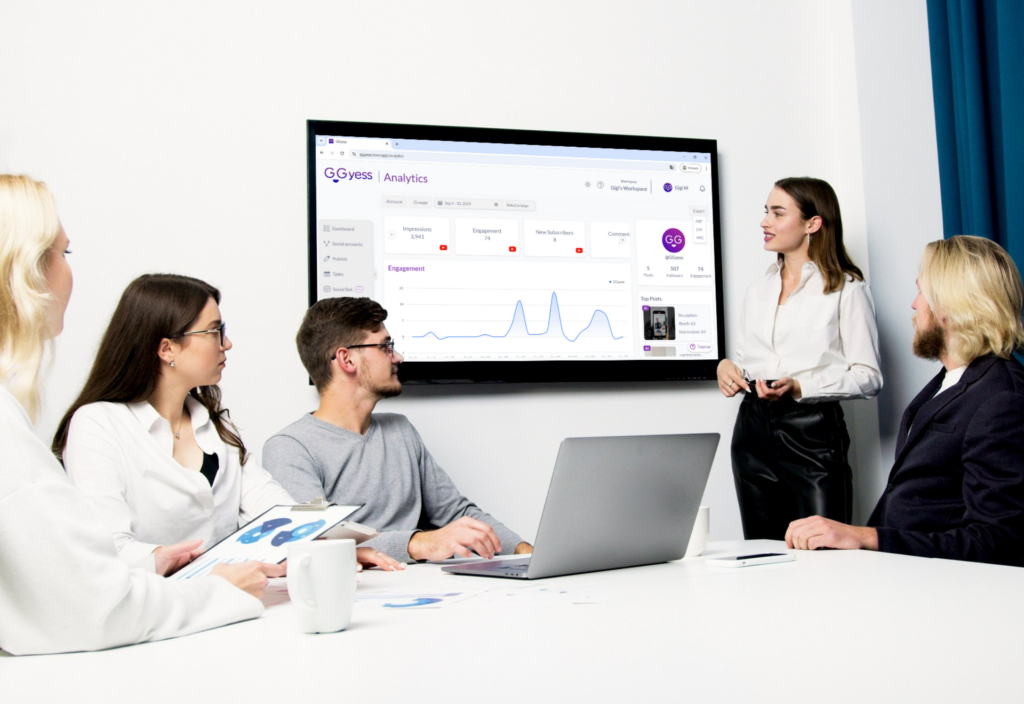
Using tools like GGyess can simplify the process of tracking metrics and planning content. With built-in analytics and scheduling features, GGyess ensures you stay organized and focused on what works best for your audience.
Example GGyess Use Case:
- Analyze which content types perform well across accounts.
- Schedule posts based on optimal engagement times.
- Monitor progress toward follower growth and engagement goals.
Building Authentic Relationships Through Metrics
Metrics are more than numbers—they’re insights into your relationship with your audience. Use these strategies to foster authenticity and loyalty:
- Respond to Comments and DMs: Make followers feel valued.
- Incorporate Feedback: Use comments and replies to refine your content.
- Show Appreciation: Celebrate milestones with your followers, such as reaching a specific engagement goal.
Conclusion
Understanding Instagram metrics is like having a roadmap to success. By knowing what each metric means and how to apply the insights, you can create a stronger, more engaging presence on the platform. Whether you’re focusing on boosting engagement, expanding your reach, or driving website clicks, these metrics provide the guidance you need to grow effectively.
With tools like GGyess, tracking and analyzing metrics becomes a breeze, giving you more time to focus on creating meaningful content. Remember, success on Instagram isn’t about vanity metrics—it’s about building authentic relationships and delivering value to your audience.