Introduction: Digital productivity has become a central topic today. In a world where technology and the internet dominate how we work, digital productivity represents our ability to effectively use digital tools and processes to achieve more in less time. This skill not only optimizes workflow but also drives growth and innovation within organizations. In this blog, we’ll explore what digital productivity really means, how it can help you optimize your work, and the key strategies to implement it in your professional life.
1. Digital Productivity in the Modern Era
Definition of Digital Productivity: Digital productivity encompasses practices, tools, and skills that allow a person or team to work more efficiently and effectively using digital technologies. It’s more than just “working faster”; it’s about smartly managing resources and technological tools to maximize results. Why Digital Productivity Matters: In today’s environment, where tasks are increasingly complex and information flows rapidly, improving digital productivity helps us remain competitive and adapt to the changing demands of the market. It saves time, improves work quality, and reduces the stress associated with task overload.

2. Key Tools for Digital Productivity
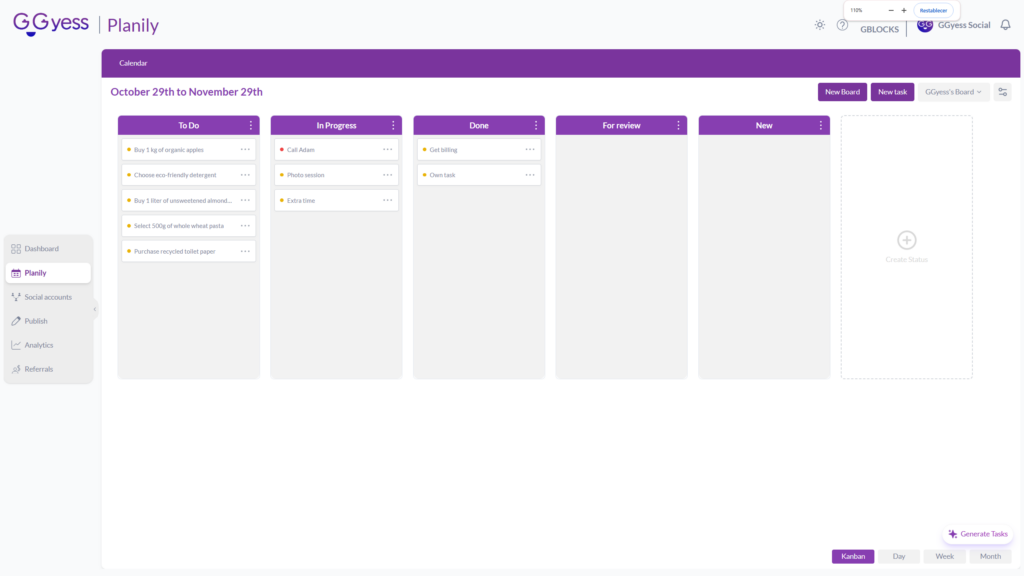
Automation of Repetitive Tasks: One of the most effective ways to improve digital productivity is through automating repetitive tasks, from social media scheduling to report generation. Using automation tools allows professionals to focus on more strategic tasks and spend less time on repetitive work. Comprehensive Management Platforms: Having an all-in-one platform, such as GGyess, helps organize tasks, schedule content, and monitor results from a single interface. Centralizing these activities improves workflow and provides a clear view of each project, which is essential for staying focused on goals.
3. The Importance of Digital Organization
Well-Structured Files and Documents: A crucial aspect of digital productivity is organizing files and documents. Using organized folders, descriptive names, and cloud storage tools allows quick access to information, prevents file duplication, and reduces time spent searching for documents. Task and Project Management: In digital productivity, managing tasks and projects is fundamental. Creating task lists and prioritizing them helps focus on the most relevant activities. With digital organization tools like those available in GGyess, you can organize work more efficiently and maintain a clear view of progress.
4. Cloud Collaboration
Real-Time Work: The ability to collaborate in real-time is a significant benefit of digital productivity. Most modern productivity tools enable teams to work on documents simultaneously, make edits and comments in real-time, and save changes automatically. Device Synchronization: With cloud synchronization, users can access their projects from various devices and locations, removing the limitations of a physical office. This is particularly valuable in hybrid or remote work models, where distance collaboration is a daily need.

5. Effective Communication for Greater Productivity
Avoid Excessive Emails: One of the main enemies of digital productivity is email overload. Using efficient communication platforms reduces email clutter and centralizes important discussions. Efficient Communication Channels: Setting clear channels for different types of information helps maintain an orderly workflow. This can include instant messaging tools for quick queries, emails for more formal communications, and project management platforms for updates and progress tracking.

6. Time Optimization with Productivity Tools
Using Timers and Time Blocks: Digital productivity also requires good time management. Using tools like timers or the Pomodoro technique allows work to be divided into time blocks, maintaining concentration and avoiding burnout. Smart Scheduling of Activities: Time optimization also involves knowing when to schedule the most important tasks. Organizing the day in advance and utilizing peak energy moments for complex tasks is an effective strategy for boosting productivity.

7. Automation and Data Analysis for Improved Productivity
Automation of Routine Processes: Digital productivity allows routine processes to be automated to reduce manual effort and decrease error likelihood. Automating tasks like data analysis or report generation saves time and ensures consistent results. Real-Time Analysis for Decision Making: Having analytical tools that monitor each activity’s performance in real-time allows teams to adjust strategies immediately. Platforms like GGyess help centralize information and visualize key data, offering the flexibility needed for informed decisions.

8. Information Security and Backup
Data Protection: Digital productivity involves working with large volumes of information, making it essential to have robust security systems. From secure passwords to two-factor authentication, protecting information is vital to prevent data loss and maintain client trust. Automatic Cloud Backup: Storing information in the cloud provides automatic backup, ensuring data is protected and accessible in case of technical failures. This is especially important for maintaining work continuity and minimizing interruptions.

9. Training and Development in Digital Productivity
Continuous Learning in New Tools: Technology is constantly evolving, and improving digital productivity requires staying up-to-date with new tools and trends. Dedicating time to ongoing learning and training allows professionals to quickly adapt and maximize the benefits of each tool. Optimizing Digital Skills: Training your team in digital skills is an investment that improves long-term performance. The more familiar they are with tools and processes, the greater their efficiency and effectiveness in daily tasks.

10. Creating a Healthy Digital Work Environment
Balancing Work and Rest: Although technology makes remote work easier, it can also lead to overwork. Setting time limits, avoiding work outside business hours, and respecting breaks are essential to maintain sustained productivity and prevent burnout. Promote a Culture of Healthy Productivity: Fostering a culture of digital productivity means encouraging healthy work practices, like respecting disconnection times and encouraging the team to organize tasks in a way that optimizes their well-being.

Conclusion: Digital productivity goes beyond simply using technology; it’s about efficiently managing digital tools and resources to achieve an optimized workflow. From automation to real-time collaboration and task organization, digital productivity strategies can transform how we work, making us more efficient and effective. Using platforms like GGyess to centralize and organize activities is an excellent first step toward adopting a digital productivity approach that benefits both individuals and teams. Adapting to this new era of digital work can make each workday more productive and satisfying.
You might be interested: Boosting Productivity in Marketing Projects: Strategies to Achieve More in Less Time