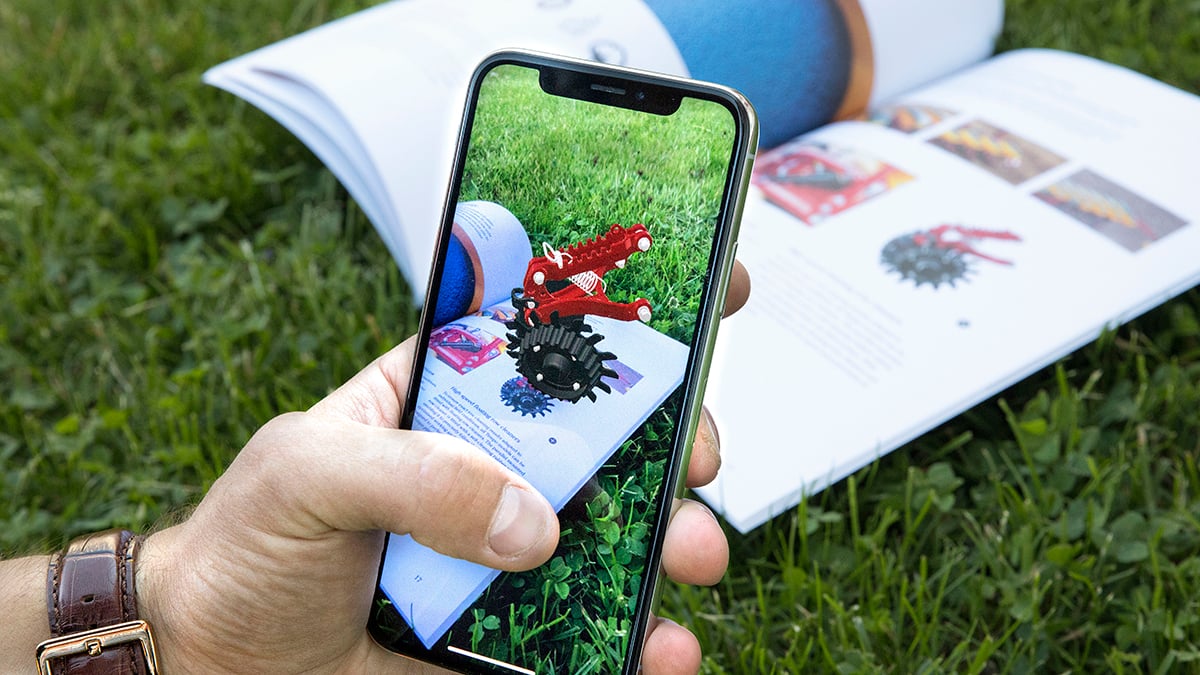
The Rise of Augmented Reality in the Business World
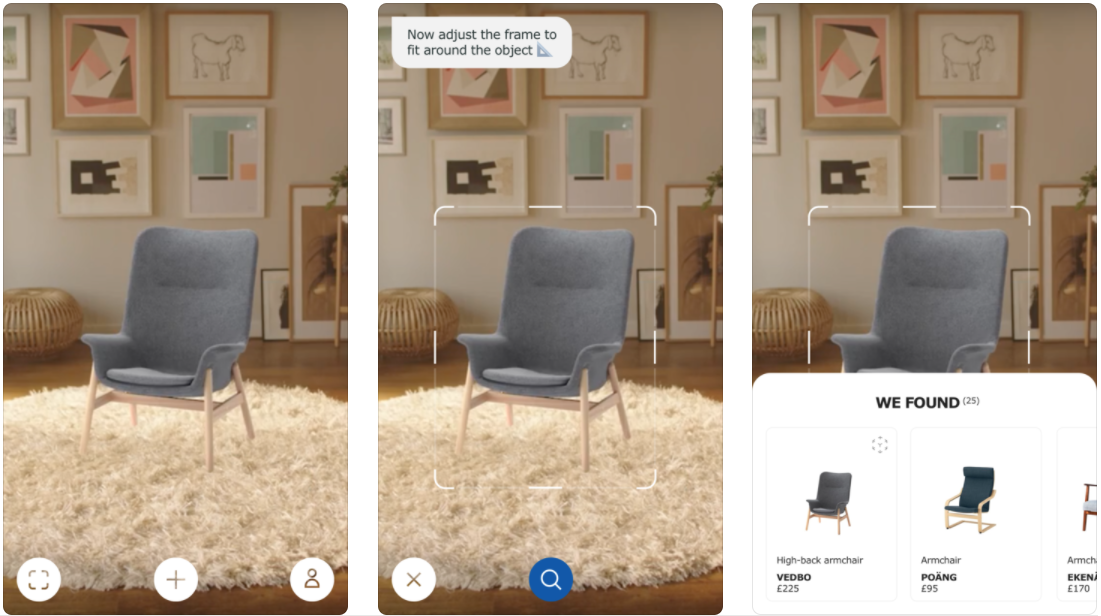
Augmented Reality (AR) has evolved from a mere tech trend to a crucial tool in the business sector. Companies like Google, Apple, and Microsoft have heavily invested in AR platforms that enable immersive experiences for both customers and employees. A standout success story is IKEA‘s IKEA Place app, which allows users to visualize furniture in their homes before purchasing. This innovation not only elevates the shopping experience but also reduces returns and boosts customer satisfaction.
However, it’s not just tech giants that are reaping the benefits of AR. Zara, the renowned fashion chain, has integrated AR into some of its physical stores, where customers can view virtual models wearing clothes through their mobile devices. This approach enhances the shopper’s experience while fostering a deeper and more personalized connection between the brand and its clients, creating an emotional impact that can translate into higher sales.
AR Integration with TV and Other Mass Media

Television and mass media have witnessed a revolution with the integration of AR, offering a closer interaction with audiences. One of the most iconic examples is BBC’s use of AR during sports events, where viewers can access real-time statistics or visualize strategic plays directly on their screens, creating a much more immersive experience. This type of integration has proven to be a success factor, as it keeps viewers engaged longer, improving audience retention.
Similarly, radio has started exploring AR use in advertising campaigns. For instance, PepsiCo launched a campaign where radio listeners could use an AR app to interact with additional visual content while listening to ads. This experience transforms traditional passive radio consumption into an active, multisensory one, capable of capturing a diverse audience and keeping them engaged throughout the broadcast.
AR Pioneers and Historical Evolution

Augmented Reality is not a new technology, but its evolution has been remarkable. Boeing, in the 1990s, was one of the first to integrate AR into its assembly line, providing engineers with visual instructions directly in their headsets to facilitate complex processes. This pioneering use demonstrated how AR could turn difficult tasks into more efficient actions with a lower error margin. Since then, tech giants like Snap Inc., known for its AR lenses on Snapchat, and Niantic, the creator of Pokémon Go, have placed AR at the heart of their business strategies.
Today, key figures such as Tim Cook (CEO of Apple) and Satya Nadella (CEO of Microsoft) have emphasized the importance of AR as the future of human-technology interaction. Apple’s ARKit platform has made developing AR experiences more accessible to developers, while Microsoft’s HoloLens has made significant advances in the business world, allowing companies like Thyssenkrupp to use AR for elevator maintenance and repairs.
How Companies Can Benefit from Augmented Reality

Any company that wants to stand out in today’s competitive environment should seriously consider integrating AR into its business strategies. In retail, AR offers the opportunity to provide personalized shopping experiences, as Sephora and L’Oréal have done, allowing customers to virtually try on makeup. This experience not only enhances interaction but also boosts conversion rates by offering greater confidence before making a purchase.
In the education and training sector, AR holds immense potential. Companies like DHL have implemented AR training to optimize logistics, showing how to load containers more efficiently, reducing errors, and increasing productivity. The key to success lies in creating immersive experiences that facilitate understanding and learning, allowing companies to train employees faster and more effectively while reducing costs.
For more insights on how to enhance digital strategies and integrate them with other media, check out Uploading Videos on YouTube: Strategies to Maximize Reach and Engagement. It offers valuable tips on leveraging YouTube, one of the most powerful platforms in digital media today.
AR as the Key to the Future of Business
There is no doubt that AR is destined to be one of the main tools in the business world of the future. The ability to combine the physical and digital worlds not only offers new ways to interact with customers but also opens the door to unprecedented operational efficiencies. For example, Amazon has used AR to optimize delivery experiences, allowing customers to see the real-time location of their packages, thus generating even higher levels of satisfaction.
In summary, AR offers companies the opportunity to reinvent how they operate, improve customer experiences, and ultimately grow. Businesses that embrace this technology will not only be ahead in innovation but will also establish a deeper connection with their audience, ensuring their relevance in the digital future. The opportunities are endless—it’s just a matter of daring to seize them.
Turn complex tasks into intuitive actions. Just as Boeing and DHL pioneered AR for logistics, your business can use immersive training to cut errors by 45%. Use GGyess WorkSuite to manage your team’s transition to AR-assisted workflows, organizing your training modules and technical SOPs for a more efficient, high-tech workforce. Optimize your operations at GGyess.com