The world of marketing has evolved, and in 2025, the office has transformed into anywhere with a reliable internet connection and a good background for video calls. What started as a temporary solution in 2020 has become a new reality driving competitiveness. For marketers, remote work is not just an alternative; it’s the new normal! Here we’ll explore how to adapt strategies and maintain productivity (and sanity) in a remote marketing world.
1. Adaptation: Why is Remote Work Still Thriving in Marketing?

In 2025, remote work continues to be the preferred option for many in marketing. Advanced digital tools allow marketers to conduct market research, design campaigns, coordinate projects, and even connect with teams in different parts of the world without leaving home. This flexibility not only boosts productivity but also cuts down on commute times and the stress associated with heavy traffic. Best of all? The ability to set up a work environment suited to personal preferences, ditching the notoriously cold office air conditioning for a comfortable space.
Additionally, remote work allows companies to access global talent without geographical limitations. In specialized areas like data analysis and automation, finding the right profiles locally can be a challenge, and remote work expands opportunities by making collaboration with experts from any region possible. Today, many agencies have teams spread across different countries, scheduling international meetings that sometimes cross several time zones. This ability to tap into a global talent pool is a competitive advantage that has fueled creativity and efficiency in marketing projects.
2. Cutting-Edge Tools and Technologies for Remote Marketers
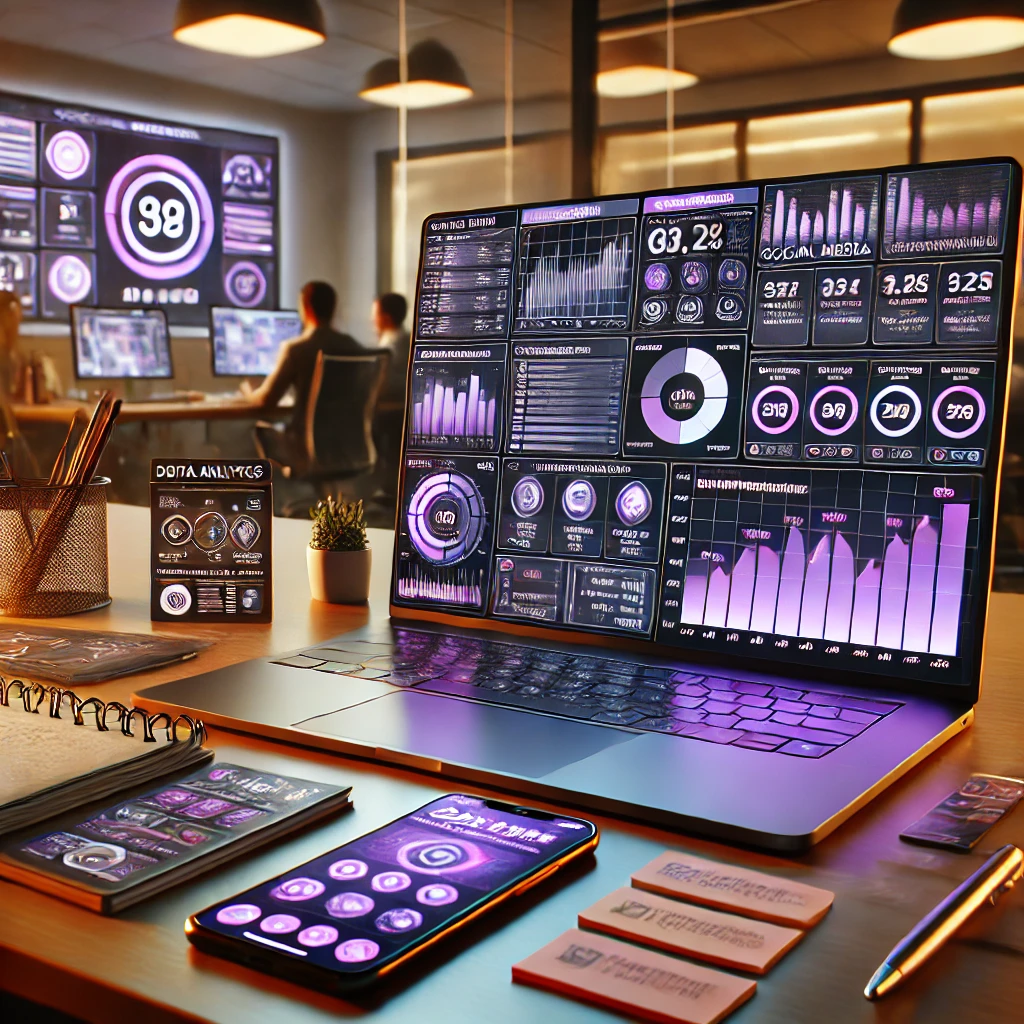
In a remote environment, marketers rely on tools that simplify collaboration and optimize productivity. Today, it’s not just about having a platform for messaging or file-sharing; it’s about creating a digital marketing ecosystem where each tool plays a crucial role. Below are some of the most popular tools for 2025:
- Artificial Intelligence in Marketing: AI has become marketers’ right-hand tool, helping to analyze large volumes of data, identify user behavior patterns, and predict market trends. Marketing teams today can rely on AI algorithms to automate processes and make campaign segmentation more accurate. While some professionals still worry that AI might “replace” them, in reality, this technology enhances decision-making and allows them to focus on the creative and strategic aspects of their campaigns. In 2025, AI represents a crucial advantage that helps marketers craft strategies grounded in real data and adapt quickly to market changes.
- Collaboration Tools: Platforms like Slack, Microsoft Teams, and the Planily module of GGyess have evolved to include marketing-specific features, such as Kanban boards that help visualize and organize each step of campaigns. Planily, in particular, allows marketers to prioritize tasks, assign them to different team members, and ensure everyone is on the same page with deadlines and project goals. Automated notifications have become great allies for keeping everyone in sync, especially when teams are spread across different time zones and can easily lose track of things. With these types of tools, coordinating efforts has become much simpler and more effective.
- Automated Social Media Management: In 2025, social media is a core component of digital marketing and requires constant and precise management. Platforms like GGyess enable teams to schedule posts, analyze real-time metrics, and optimize content from a single place. Thanks to GGyess, marketers can maintain a consistent social media presence without having to be physically present for each post. These tools also provide detailed performance analytics, allowing campaigns to be adjusted in real time to maximize the impact of each piece of content. In a remote work environment, social media automation has allowed marketers to spend more time on planning and high-value content strategies.
You might also be interested in learning more about social media strategies in Carousels vs. Stories: The Ultimate Battle for Social Media Supremacy!.
3. Essential Skills for Today’s Remote Marketer

Working remotely is not just a change of location; it requires the development of specific skills that make a difference in productivity and efficiency. Today’s marketers need a blend of technical, organizational, and communication skills to stand out in this new environment. Here are some of the most important skills for marketing in 2025:
- Analytical Skills: Digital marketing combines art and science, and today’s creatives also need to be analytical. Gone are the days when creativity alone could drive a campaign’s success. Today, data analysis is a fundamental skill that enables marketers to understand performance metrics and adjust strategies accurately. With new AI tools and advanced dashboards, marketers can make data-driven decisions in real time. Additionally, being able to interpret this data and translate it into concrete actions is crucial for driving campaign success, maximizing ROI, and ensuring every allocated resource is being well-utilized.
- Time Management and Self-Discipline: The flexibility of remote work is invaluable, but it also comes with great responsibility. In an environment where distractions are frequent—from household chores to social media—marketers must develop strong self-discipline to stay productive. This involves creating daily routines, setting work schedules, and sticking to them. Effective time management enables deadlines to be met punctually and avoids last-minute stress. Many people find that adopting techniques like the Pomodoro method, which alternates periods of work and rest, is useful for maintaining concentration and avoiding burnout. In remote work, being the manager of your own time is both a challenge and an essential skill for achieving a healthy work-life balance.
- Clear and Effective Communication: In a remote work environment, communication is the backbone of any team. The ability to express ideas clearly and concisely through emails, chats, and video calls is essential to avoid misunderstandings and ensure all team members are aligned. Written communication, in particular, has gained significant importance, and marketers must develop the ability to write clear, precise, and complete messages. Without the option of immediate clarification as in a physical office, it’s crucial to make communication as detailed as possible to avoid costly mistakes.
4. Challenges of Remote Work and How to Overcome Them
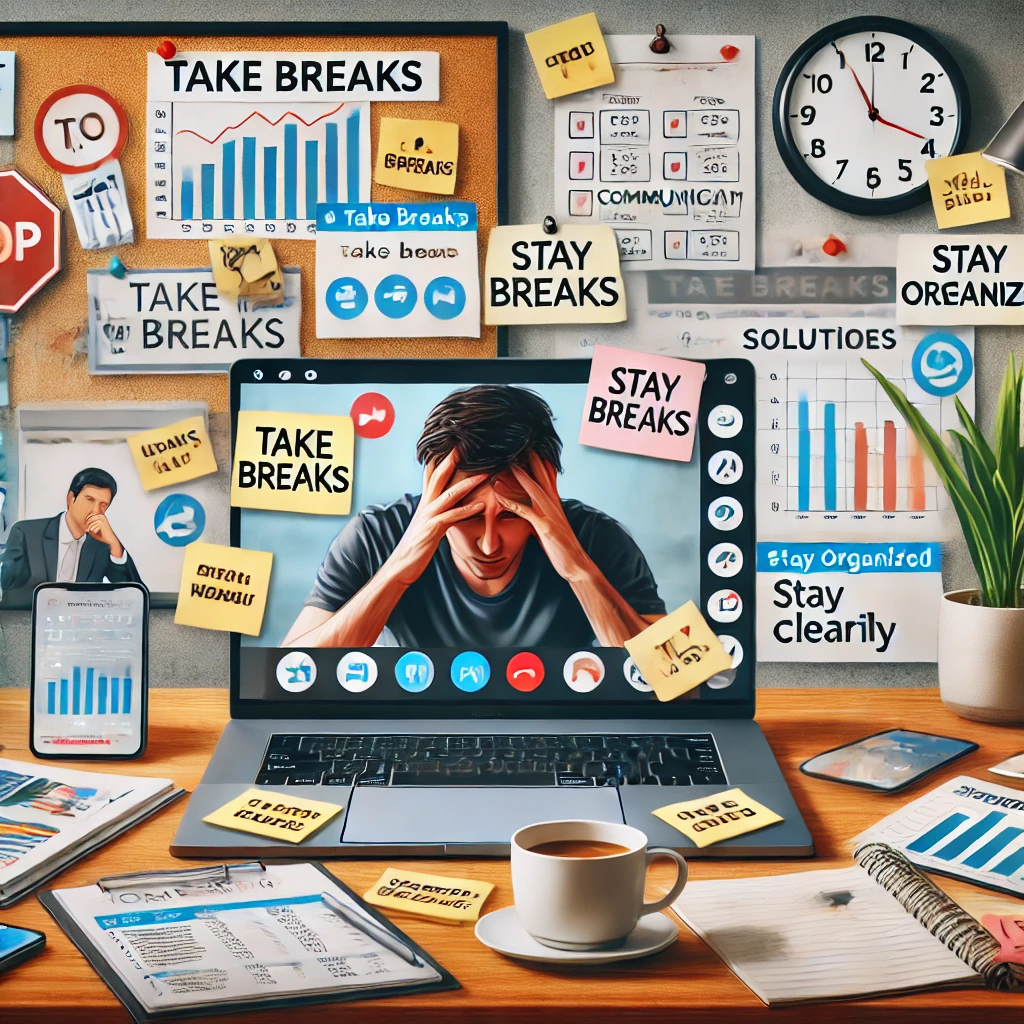
While remote work offers great benefits, it also presents unique challenges that can impact marketers’ productivity. Remote environments create barriers that require new solutions and adaptations in day-to-day operations.
- Digital Fatigue: Digital fatigue is one of the biggest challenges of working in front of a screen for hours. In remote work, this screen becomes the center of everything, and that can be exhausting. Being permanently in front of a computer not only affects concentration but also physical and mental health. To counter this fatigue, it’s essential to incorporate active breaks throughout the day and engage in activities that allow marketers to disconnect from screens momentarily. Stretching exercises, mindfulness practice, and short walks all help recharge energy and return to work with renewed clarity. These small breaks also prevent burnout and increase productivity throughout the day.
- Team Coordination: Collaboration is fundamental in marketing, and in a remote environment, this collaboration can be impacted by the lack of face-to-face interactions. The difficulty of coordinating across different time zones and the lack of spontaneous communication can hinder team efficiency. To avoid these issues, it’s important to establish regular sync meetings and clearly define roles and responsibilities for each team member. Additionally, fostering a culture of constant feedback allows alignment and improvement in group dynamics, even from a distance. Many companies also organize virtual team-building activities to strengthen bonds among collaborators and improve their sense of belonging.
5. What Will the Future of Remote Work in Marketing Look Like?
Remote work is continuously evolving, and it seems to be here to stay. The marketers who best adapt to this modality will be the most successful. In the near future, we’ll see technologies like augmented reality being integrated to create more immersive virtual meetings. Imagine having a virtual boardroom where everyone can view the same ad being developed as if they were in the same room.
Moreover, remote work allows companies to reduce costs and reinvest in new technologies, fostering a cycle of innovation. This environment opens doors to increasingly personalized marketing focused on user experience and supported by real-time data. The future of remote marketing is undoubtedly bright!
Remote Work as a Catalyst for Innovation in Marketing
For marketers, remote work in 2025 is not just an option; it’s an opportunity to innovate, explore new tools, and redesign strategies. Adapting to this modality will improve productivity, creativity, and competitiveness in a global market. So if you’re a marketer, get your virtual workspace ready, refine your digital tools, and conquer the world from wherever you are!
Maintain a 24/7 presence while you disconnect. Being remote shouldn’t mean being disconnected from your audience. Use GGyess SocialSuite to automate your multi-channel social management, allowing your team to focus on high-level strategy while our AI handles real-time engagement and posting. Automate your reach at GGyess.com