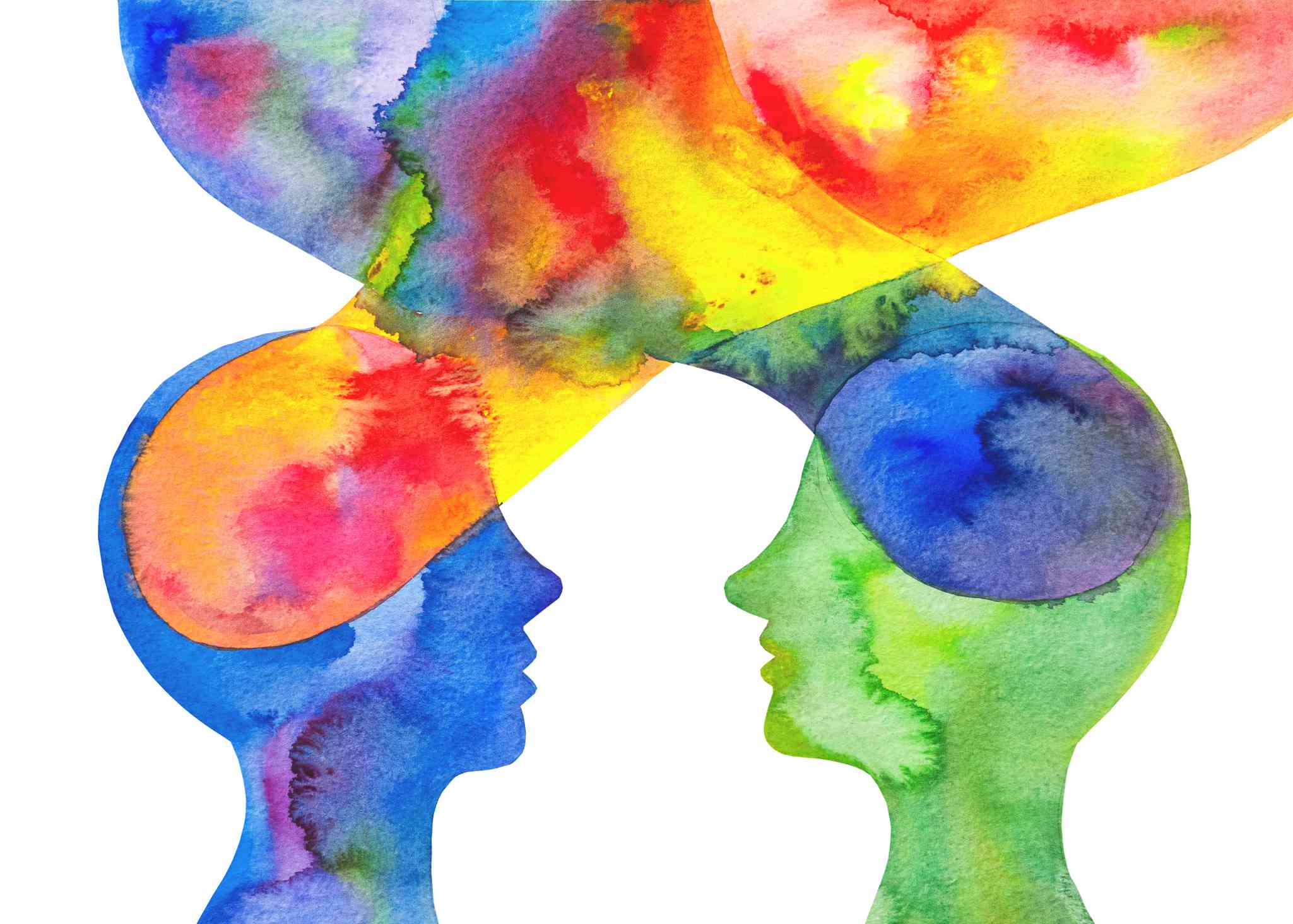
Color psychology has played a crucial role in the world of marketing and visual communication. From traditional advertising to today’s digital platforms, color is a determining factor that directly influences people’s emotions and decisions. On TikTok, one of the most popular social media platforms today, colors have a special power: they are not just part of video design, but they profoundly impact how users perceive and behave on the platform.
1. Color and Emotions: A Universal Language on TikTok

According to studies by Faber Birren in Color Psychology and Color Therapy, color can be considered a non-verbal language that instantly communicates emotions and sensations. On TikTok, where users consume content in mere seconds, the strategic use of color can make all the difference between capturing attention or being overlooked.
For example, warm colors like red and orange evoke feelings of energy, passion, and urgency, making them perfect for videos that seek to generate excitement or prompt quick action. This can be seen in dance challenges and viral content where warm filters or neon red lighting are used to heighten the excitement. A clear example is in dance challenges, where creators use red LED lights to amplify the intensity of the video.
On the other hand, cool colors like blue and green have a calming and relaxing effect, ideal for content focused on wellness, relaxation, or tutorials. Many creators who post meditation or morning routine content use filters with soft blue tones to evoke tranquility. An example of this is in self-care content, where blue lights are applied to establish an atmosphere of peace and serenity.
2. The Influence of Color on the Algorithm and User Retention

Research presented by Eva Heller in Psychology of Color shows that colors affect not only emotions but also memory and retention capacity. On platforms like TikTok, where user retention is key to a video’s success, content creators can leverage certain colors to improve engagement and increase watch time.
The use of bright, contrasting colors helps videos stand out in TikTok’s feed, increasing the likelihood that users will interact with them. A clear example is cooking content, where creators use vibrant colors like yellow and red to highlight ingredients and grab attention. In recipe videos, it’s common to see bright-colored thumbnails that make the food stand out, encouraging users to click instantly.
Moreover, colors like yellow (associated with joy and happiness) are strategically used in video thumbnails to grab attention at first glance. Many influencers use this color in their transitions and scene changes, increasing the likelihood that viewers will stay until the end of the video. An example of this can be seen in storytime content, where creators include vibrant-colored text in the thumbnail, creating a visual hook that invites users to watch more.
3. Colors and Subcultures on TikTok: Building a Unique Visual Identity
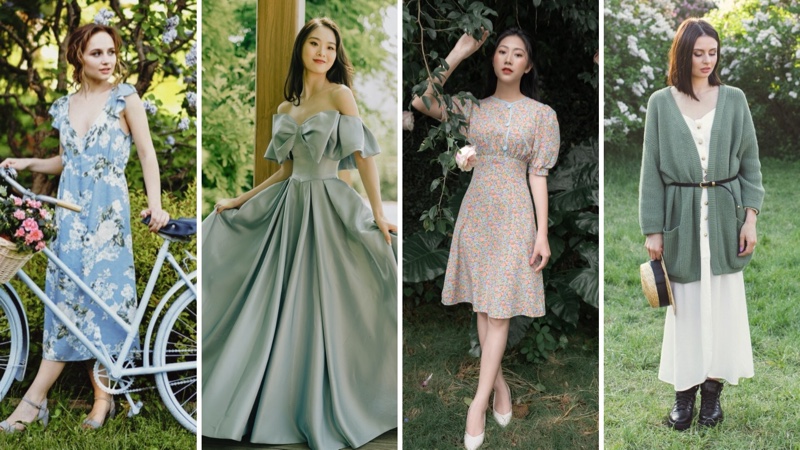
In The Secret Lives of Color, Kassia St. Clair explores the cultural history of colors and how they have been attributed different meanings over time. On TikTok, where digital subcultures constantly emerge, colors are a powerful way to express identity and belonging to a specific community.
For example, mint green and pastel tones are associated with the cottagecore movement, a trend that celebrates rural life, nature, and simplicity. Content creators within this subculture on TikTok prominently use these colors to create a relaxed and comforting visual aesthetic. Pastel colors are not only used in clothing but also in set decoration and video editing.
Similarly, the use of electric blue and violet is linked to more modern trends like cyberpunk or futuristic technology, emphasizing creativity and innovation. These colors are used in technology, design, and science fiction content, where creators seek to convey a sense of advancement and futuristic exploration. These colors create an immersive atmosphere that reinforces the technological theme of the videos.
4. Color Psychology and Neuromarketing: Driving Conversions on TikTok

Richard G. Lewis, in his work Color Psychology: Profit From The Psychology of Color, explains how brands and creators can use color to influence consumers’ purchasing decisions. On TikTok, using specific colors in ads can have a direct impact on conversions.
For example, brands promoting wellness and health products often use green or blue to convey trust and calmness. A clear example of this is fitness content, where apps or wellness products use green backgrounds to promote a healthy lifestyle. Green tones, associated with nature and freshness, generate a sense of authenticity and well-being among users.
On the other hand, ads seeking quick sales or limited-time promotions tend to use more aggressive colors like red or black, capitalizing on the sense of urgency these tones can provoke. Many TikTok creators selling fashion or technology products use black and red in their promotions, highlighting temporary offers and discounts. A clear example is the launch of new gadgets or fashion drops, where these colors intensify the need to act quickly.
5. Chromatic Trends and the Future of Content on TikTok
.jpg)
Finally, Color and Meaning: Art, Science, and Symbolism by John Gage reminds us that colors are not static; their meanings evolve over time and across cultures. On TikTok, where trends change rapidly, color can be an essential element in predicting and adapting to new content waves.
Today, neon colors and bright visual effects are gaining popularity among younger creators. Colors like neon green or fuchsia stand out in fashion and tech videos, creating a strong visual impact that results in more interactions. A clear example is in makeup tutorials and bold fashion looks, where these vibrant tones capture immediate attention.
In contrast, muted and pastel tones are preferred in more minimalist and natural aesthetics. A good example of this is interior design videos, where creators use soft, muted color palettes to evoke a sense of calm and order.
Conclusion: Color as a Strategy for Impact on TikTok
Color psychology is much more than an artistic theory; it is a powerful tool that can transform how content is created and how it interacts with an audience on TikTok. By understanding how different colors influence emotions, memory, and behavior, creators and brands can design visual strategies that maximize the impact of their videos and build deeper connections with their followers.
GGyess can be a key ally in this process, helping content creators plan, schedule, and analyze their posts, optimizing the use of color to maximize social media impact. With its automation platform and analytics tools, GGyess enables you to take your content to the next level, ensuring that every detail, including color, is perfectly aligned with your strategy.
For more tips on how to improve your social media presence, check out our article 12 Tips to Gain Followers on Social Media.
In a digital world where every second counts, color becomes a silent yet powerful ally that can make a video go viral or simply fade into the crowd.