
Creating a highly efficient and productive team is an art that requires a blend of clear goals, the right tools, and continuous motivation. Whether you lead a marketing team, a tech squad, or a multidisciplinary group, unlocking peak efficiency takes planning and intentional actions. This guide will provide actionable strategies, tips, and tools to streamline your team’s workflows and foster a culture of productivity.
Define Clear Goals and Objectives
A productive team starts with clarity. When everyone understands the objectives, it reduces confusion and ensures all efforts align with a common purpose. Here’s how to establish effective goals:
- Use the SMART Framework:
- Specific: Clearly define what you aim to achieve.
- Measurable: Set tangible metrics to track progress.
- Achievable: Ensure goals are realistic.
- Relevant: Align goals with team and organizational priorities.
- Time-Bound: Attach deadlines to each objective.
- Communicate Expectations:
- Hold regular meetings to align on priorities.
- Document key performance indicators (KPIs) and share them with the team.
Example: For a marketing team, a SMART goal might be: “Increase organic website traffic by 30% in the next quarter through a targeted SEO campaign.”

Optimize Workflows with Tools
Choosing the right tools can save your team hours of redundant work. Opt for platforms that integrate multiple functions, ensuring seamless collaboration. Some popular choices include:
- Task Management Tools:
- Trello: Great for visual task tracking and organizing projects in boards.
- Asana: Ideal for managing complex projects with subtasks and deadlines.
- GGyess: A comprehensive platform designed for social media management, task delegation, and analytics.
- Communication Tools:
- Slack: Streamlines team communication and reduces email clutter.
- Microsoft Teams: Combines chat, meetings, and file collaboration.
- Automation Platforms:
- Zapier: Connects apps to automate repetitive tasks.
- HubSpot Workflows: Automates email sequences and lead nurturing for marketing teams.
Table: Comparing Productivity Tools
| Tool | Purpose | Key Features |
|---|---|---|
| Trello | Task Management | Visual boards, drag-and-drop tasks |
| Slack | Communication | Channels, direct messages, integrations |
| GGyess | Social Media Productivity | Task delegation, analytics, and collaborative tools |
| Zapier | Automation | Workflow automation across apps |
Encourage Collaboration and Teamwork
Collaboration ensures no team member feels isolated and promotes the exchange of innovative ideas. To enhance teamwork:
- Implement Collaborative Platforms: Use shared documents and task boards where everyone can contribute.
- Schedule Brainstorming Sessions: Dedicate time to creative discussions, fostering innovation.
- Provide Feedback Mechanisms: Create opportunities for peer-to-peer feedback and recognition.
Establish Efficient Communication Practices
Overcommunication can overwhelm, while undercommunication creates gaps. Strike the right balance by:
- Limiting Meetings: Replace unnecessary meetings with concise updates on platforms like Slack.
- Setting Communication Norms: Agree on response times and preferred channels for different scenarios.
- Encouraging Asynchronous Communication: Allow team members to review and respond to messages at their convenience, ensuring thoughtful input.

The Role of Boundaries in Communication
Boundaries are essential for effective communication. Without them, teams can become inundated with constant notifications, reducing focus. Leaders must establish quiet hours, encouraging deep work and reducing interruptions. For instance, adopting a “no-meeting” policy on certain days can allow your team to concentrate on critical tasks.
Discover in this blog, five ways to keep your team productive and engaged: https://www.forbes.com/councils/forbestechcouncil/2024/07/17/five-ways-to-keep-your-work-team-productive-and-engaged/
Delegate Effectively
Delegation is a hallmark of strong leadership. It involves entrusting team members with tasks that match their strengths and providing autonomy. Steps to delegate effectively include:
- Understanding Strengths: Match tasks with individual skill sets to ensure quality outcomes.
- Setting Expectations: Clearly define the deliverable, timeline, and resources available.
- Monitoring Without Micromanaging: Check progress through periodic updates but avoid overbearing supervision.
Table: Steps for Effective Delegation
| Step | Description |
|---|---|
| Identify Strengths | Assess each member’s expertise and preferences. |
| Define Objectives | Clarify what success looks like for the task. |
| Provide Resources | Ensure tools and support are readily available. |
| Review and Recognize | Offer constructive feedback and celebrate success. |

Promote Skill Development
An efficient team is one that continuously improves its capabilities. Encourage skill growth through:
- Workshops and Training: Host sessions on emerging tools and methodologies.
- Access to Learning Platforms: Provide subscriptions to platforms like Coursera, LinkedIn Learning, or Skillshare.
- In-House Mentoring: Pair junior employees with experienced team members for knowledge transfer.
Foster a Positive Work Environment
A positive work environment not only boosts morale but also increases productivity. A happy team is more likely to collaborate effectively and deliver exceptional results. Here’s how to create such an atmosphere:
- Encourage Open Communication:
- Allow team members to voice concerns and share ideas without fear of judgment.
- Set up anonymous feedback channels to gather honest input.
- Recognize and Reward Efforts:
- Celebrate achievements, both big and small, through shoutouts in team meetings or a designated recognition platform.
- Offer tangible rewards, like gift cards or additional time off, to show appreciation.
- Promote Work-Life Balance:
- Avoid scheduling meetings outside working hours.
- Encourage taking regular breaks to prevent burnout.
A positive environment fosters innovation. When employees feel valued, they are more likely to experiment with creative ideas and solutions, ultimately driving the team’s success.

Use Metrics to Measure Productivity
Tracking progress ensures that your team stays on course and helps identify areas for improvement. Key metrics for productivity include:
- Output vs. Input:
- Measure the volume of completed tasks against the resources and time utilized.
- Efficiency Ratios:
- Analyze how effectively resources are being used to produce results.
- Example: Compare the number of tasks completed per team member.
- Quality of Work:
- Assess the accuracy and completeness of deliverables.
- Conduct regular quality checks to maintain high standards.
Table: Productivity Metrics
| Metric | Description | Example |
|---|---|---|
| Task Completion Rate | Percentage of tasks completed within deadlines | 85% completion rate for weekly assignments |
| Error Rate | Number of errors in deliverables | 2 revisions per 10 documents |
| Time Spent | Time taken to complete key projects | 4 hours to finalize a presentation |
If you want to increase your productivity, discover 21 ways to increase your team’s productivity: https://www.zendesk.com/blog/team-productivity/
Create a Culture of Accountability
Accountability drives ownership, ensuring that team members take responsibility for their contributions. Here’s how to embed accountability into your team:
- Set Clear Roles and Responsibilities:
- Define each team member’s role and what is expected of them.
- Hold Regular Check-Ins:
- Conduct one-on-one meetings to discuss progress and address challenges.
- Document Processes:
- Use shared platforms to outline workflows, making it clear who is responsible for each task.
Accountability is a team effort. While individuals are responsible for their tasks, the leader must provide the resources and guidance needed to ensure success.
Implement Time Management Techniques
Efficient teams know how to manage their time wisely. Introduce proven techniques like:
- The Pomodoro Technique:
- Work in 25-minute intervals with 5-minute breaks in between. After four intervals, take a longer 15-30 minute break.
- Time Blocking:
- Allocate specific blocks of time for tasks and prioritize based on deadlines.
- Eisenhower Matrix:
- Categorize tasks as urgent/important, not urgent/important, urgent/not important, or not urgent/not important.
Table: Eisenhower Matrix Example
| Category | Action | Example |
|---|---|---|
| Urgent/Important | Do immediately | Prepare a client presentation for tomorrow |
| Not Urgent/Important | Schedule and plan | Research tools for long-term projects |
| Urgent/Not Important | Delegate | Respond to non-critical emails |
| Not Urgent/Not Important | Eliminate | Avoid browsing unrelated social media |

Leverage Technology for Efficiency
Modern tools can make your team’s workflows faster and more streamlined. Platforms like GGyess are particularly valuable for social media and marketing teams. Here’s how technology can boost productivity:
- Centralized Communication:
- Tools like GGyess or Slack ensure all messages and updates are in one place.
- Automated Reporting:
- Use analytics dashboards to track performance without manual input.
- Integration Capabilities:
- Select platforms that integrate with existing tools to create a seamless workflow.
Technology isn’t just a convenience; it’s a necessity for modern teams. By automating repetitive tasks, your team can focus on high-value projects.
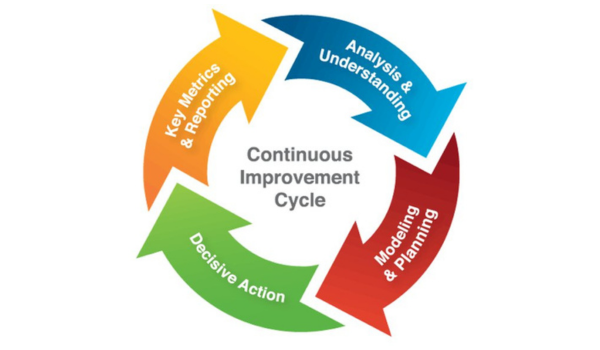
Encourage Continuous Improvement
Encouraging a mindset of growth helps your team stay ahead of industry trends and challenges. Promote continuous improvement through:
- Skill Development Programs:
- Host workshops or bring in experts to teach new tools and strategies.
- Peer Learning:
- Create opportunities for team members to share knowledge and experiences.
- Regular Feedback Loops:
- Provide constructive feedback and ask for input on leadership and team dynamics.
Encapsulate Team Goals in a Collaborative Vision
Finally, ensure that your team feels connected to the company’s overarching mission. When individuals see how their work contributes to larger goals, they’re more likely to stay engaged and motivated.
- Involve Team Members in Decision-Making:
- Ask for their opinions on key initiatives and projects.
- Share Success Stories:
- Celebrate how their contributions have positively impacted the company.
- Visualize Goals Together:
- Use vision boards or digital dashboards to display progress toward objectives.
Closing Thought: Building an efficient and productive team is an ongoing process. It requires leaders to adapt, innovate, and inspire continually. By implementing these strategies, you’re setting your team up for long-term success.
Transform your “To-Do” list into a high-speed roadmap. In 2026, the biggest drain on productivity is “work about work.” Use GGyess WorkSuite to implement the Eisenhower Matrix and SMART goals directly into your team’s daily flow. Delegate effectively, track progress in real-time, and eliminate bottlenecks before they stall your projects. Streamline your team at GGyess.com