
Introduction
Meeting deadlines is a cornerstone of any successful business operation. When deadlines are consistently missed, it disrupts workflows, damages client relationships, and affects the overall productivity of your team. If you’ve found yourself wondering why your team isn’t meeting deadlines and what you can do to fix it, you’re not alone. Addressing this issue requires a mix of communication, planning, and process optimization.
In this guide, we’ll explore practical strategies to identify the root causes of missed deadlines and implement solutions to ensure your team works efficiently without compromising quality.

Step 1: Identify the Root Cause
Before taking any corrective action, it’s essential to understand why deadlines are being missed.
Common Causes of Missed Deadlines
- Unclear Expectations: Team members may not fully understand the scope or priority of their tasks.
- Overwhelming Workload: If individuals are juggling too many responsibilities, they’re bound to fall behind.
- Lack of Skills or Resources: Inadequate training or missing tools can hinder progress.
- Poor Time Management: Some team members may struggle with prioritizing their tasks effectively.
- Inefficient Processes: Bottlenecks or outdated workflows can slow down progress.
| Cause | Impact | Possible Solution |
|---|---|---|
| Unclear expectations | Confusion and misaligned priorities | Clear communication and documentation |
| Overwhelming workload | Stress and decreased productivity | Redistribute tasks or hire additional help |
| Lack of resources | Delayed progress on critical tasks | Provide proper training and tools |
Understanding these causes helps you tailor your approach to address the specific challenges your team is facing.

Step 2: Improve Communication
Good communication is the backbone of any productive team. Ensuring that everyone is on the same page can significantly reduce missed deadlines.
Ways to Enhance Communication
- Daily Stand-Up Meetings: Quick 10-15 minute check-ins to discuss progress, obstacles, and priorities.
- Task Briefs: Provide detailed briefs for each task, outlining objectives, deadlines, and resources.
- Open Channels: Use tools like Slack or Microsoft Teams to encourage real-time updates and collaboration.
By creating an environment where communication flows freely, team members are less likely to misunderstand assignments or miss important updates.
Step 3: Use Project Management Tools
Managing deadlines manually can lead to oversights and disorganization. Project management tools help centralize tasks, set deadlines, and monitor progress.
Recommended Tools
- GGyess: Ideal for tracking social media content calendars, task assignments, and project timelines.
- Trello: A visual tool for organizing tasks and deadlines.
- Asana: Provides detailed project tracking and progress updates.
| Tool | Features | Benefits |
|---|---|---|
| GGyess | Scheduling, team collaboration, task management and productivity, and analytics | Centralized management of tasks and goals |
| Trello | Kanban boards for task tracking | Easy visualization of project progress |
| Asana | Advanced reporting and workflow automation | Detailed insights into team productivity |
Integrating these tools into your workflow can reduce confusion and make deadlines more manageable.

Step 4: Set Realistic Deadlines
One common reason teams fail to meet deadlines is that the deadlines themselves are unrealistic. When creating timelines, consider the complexity of tasks and the workload of each team member.
Tips for Setting Realistic Deadlines
- Account for Buffer Time: Add extra time to account for unexpected delays.
- Consult the Team: Get input from team members about how long they expect tasks to take.
- Break Down Projects: Divide large projects into smaller milestones with individual deadlines.
| Project | Milestone | Deadline |
|---|---|---|
| Website Redesign | Create wireframes | Oct 10 |
| Develop prototypes | Oct 20 | |
| Finalize designs | Oct 30 |
Breaking down tasks like this not only makes projects more manageable but also provides regular checkpoints to track progress.
Step 5: Prioritize Tasks Effectively
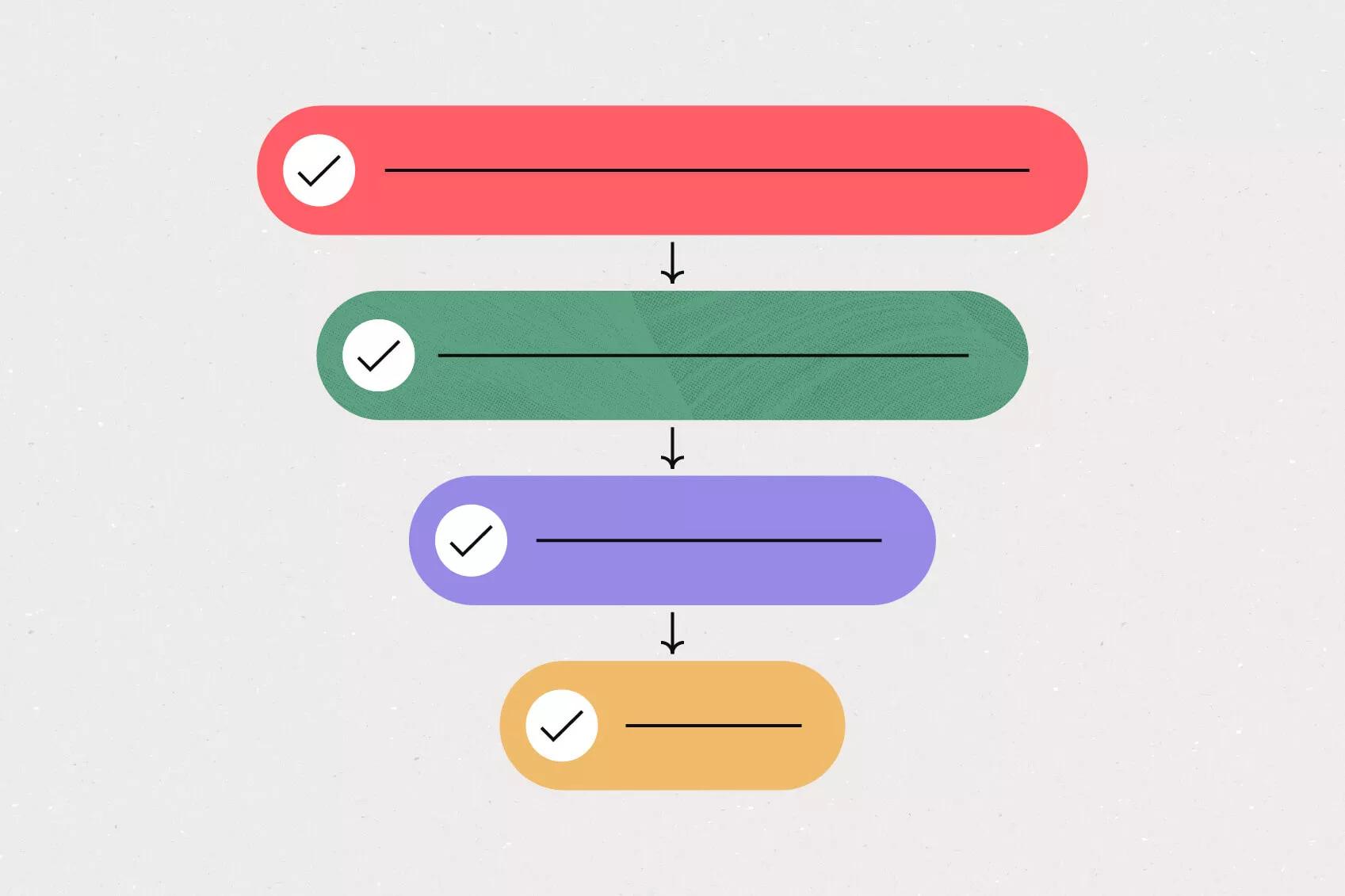
When every task feels urgent, it’s easy for teams to lose focus and productivity. Prioritizing tasks ensures that the most important and time-sensitive objectives are tackled first.
How to Prioritize Tasks
- Adopt the Eisenhower Matrix: Classify tasks into four categories:
- Urgent and important: Complete immediately.
- Important but not urgent: Schedule for later.
- Urgent but not important: Delegate to others.
- Neither urgent nor important: Eliminate.
- Use Deadlines as a Guide: Focus on tasks with approaching deadlines first.
- Leverage Technology: Use tools like GGyess to set priorities for team members and monitor progress.
Example of the Eisenhower Matrix in Action
| Category | Example Task |
|---|---|
| Urgent and Important | Submit project proposal due today. |
| Important but Not Urgent | Develop a long-term social media plan. |
| Urgent but Not Important | Respond to low-priority emails. |
| Neither Urgent nor Important | Review outdated internal documents. |
By focusing on what truly matters, your team can work more efficiently and reduce the stress of juggling multiple tasks.
Step 6: Delegate Responsibilities
Trying to do everything yourself or relying too heavily on one or two team members is a recipe for burnout and missed deadlines. Delegation ensures tasks are distributed evenly and aligns responsibilities with strengths.
Best Practices for Delegation
- Know Your Team’s Strengths: Assign tasks to team members based on their expertise.
- Be Clear: Provide detailed instructions and deadlines for delegated tasks.
- Empower Decision-Making: Allow team members the autonomy to make decisions within their assignments.
- Follow Up: Schedule regular check-ins to ensure progress without micromanaging.
Delegation isn’t just about assigning work—it’s about building trust and ensuring everyone contributes effectively.

Step 7: Monitor Progress
Tracking the progress of tasks and projects helps identify potential issues before they escalate. It also ensures accountability among team members.
How to Monitor Effectively
- Use Dashboards: Tools like GGyess offer dashboards where you can see which tasks are on track and which are falling behind.
- Request Regular Updates: Weekly progress reports can help keep everyone aligned.
- Track KPIs: Identify key performance indicators (KPIs) to measure success.
| Metric | What It Measures |
|---|---|
| Task Completion Rate | Percentage of tasks finished on time. |
| Average Task Duration | Time it takes to complete each task. |
| Deadline Adherence | Percentage of deadlines met. |
Using this data, you can refine workflows and address bottlenecks proactively.
Step 8: Address Chronic Issues
If missed deadlines persist, it may indicate deeper issues within the team or organization. Address these problems head-on to prevent long-term inefficiencies.
Common Chronic Issues and Solutions
- Low Morale: Hold team-building activities or one-on-one meetings to address concerns.
- Lack of Training: Provide workshops, webinars, or access to online courses.
- Inefficient Processes: Regularly review and optimize workflows.
Identifying and resolving these recurring problems will significantly improve your team’s ability to meet deadlines consistently.
Step 9: Celebrate Successes
When your team meets a challenging deadline or achieves a significant milestone, take time to celebrate. Recognition boosts morale and reinforces positive behaviors.
Ideas for Celebrating Success
- Acknowledge achievements during team meetings.
- Offer small rewards like gift cards or an afternoon off.
- Share successes with the wider organization to build pride and visibility.
By celebrating wins, you create a culture that values achievement and motivates team members to keep performing at their best.

Step 10: Keep Adapting and Improving
Deadlines aren’t static—they evolve with the complexity of projects and the growth of your team. Continuously assess and refine your strategies to maintain effectiveness.
Tips for Continuous Improvement
- Seek Feedback: Regularly ask your team for suggestions on improving workflows.
- Stay Updated: Monitor industry trends and adapt your strategies accordingly.
- Invest in Technology: Tools like GGyess help streamline task management and improve collaboration.
Flexibility and a commitment to improvement will ensure your team remains productive and efficient over time.
Conclusion
Missed deadlines can feel like a daunting challenge, but with clear communication, effective delegation, and the right tools, your team can turn things around. By understanding the root causes and implementing these strategies, you’ll create a more efficient, motivated, and collaborative work environment.
Leverage tools like GGyess to streamline task management and improve transparency, ensuring your team stays on track and delivers exceptional results.