
Delegating marketing tasks can feel like handing over the reins of your most critical business efforts. It’s normal to worry about losing quality, consistency, or control in the process. But effective delegation is not just about assigning tasks—it’s about empowering your team, maintaining alignment, and creating systems that ensure nothing gets overlooked. When done right, delegation can free up your time to focus on strategy while your team handles execution like pros.
In this blog, we’ll explore actionable steps to delegate your marketing tasks effectively, build trust within your team, and maintain a smooth workflow without compromising results.

Step 1: Identify What Needs to Be Delegated
Not every marketing task requires your direct involvement. Start by analyzing your current workload and identifying which tasks can be delegated.
Examples of Tasks to Delegate:
| Task Category | Examples of Delegated Tasks |
|---|---|
| Content Creation | Writing blog posts, designing graphics, creating videos |
| Social Media Management | Scheduling posts, responding to comments, tracking trends |
| Email Marketing | Writing and setting up campaigns, managing lists |
| Analytics | Monitoring KPIs, creating performance reports |
Pro Tip: Focus on tasks that are repetitive or time-consuming but don’t require your unique expertise.

Step 2: Choose the Right People for the Right Tasks
Effective delegation starts with assigning tasks to team members who have the skills and bandwidth to handle them.
How to Match Tasks to Team Members:
- Assess Skills: Identify each team member’s strengths and experience. For example, a designer should handle visuals, while a writer focuses on content.
- Consider Workloads: Ensure no one is overwhelmed by adding responsibilities.
- Provide Training: If someone is new to a task, provide clear instructions or training resources.
Example Task Allocation Table:
| Team Member | Task | Reason for Assignment |
|---|---|---|
| Sarah | Social Media Post Design | Experienced in graphic design |
| David | Writing Weekly Email Campaigns | Strong copywriting skills |
| Emma | Tracking Campaign Performance | Detail-oriented and analytics-savvy |

Step 3: Set Clear Expectations
Clarity is the cornerstone of successful delegation. If your team isn’t sure what’s expected of them, mistakes and miscommunications are inevitable.
How to Set Expectations:
- Define Goals: Be specific about what needs to be accomplished, why it’s important, and how it fits into the bigger picture.
- Set Deadlines: Clearly communicate when tasks are due. Use tools like calendars or GGyess task management features to track timelines.
- Specify Deliverables: Outline what a “completed” task looks like, including format, length, and any required approvals.
Example of Setting Expectations for a Social Media Campaign:
- Goal: Increase Instagram engagement by 20% over the next month.
- Deadline: Content for the first week is due Friday at 3 PM.
- Deliverables: Five Instagram posts with captions, hashtags, and graphics in Canva format.

Step 4: Use Tools to Streamline the Process
The right tools can make delegation seamless, especially when managing multiple tasks and team members.
Recommended Tools:
- Project Management Platforms: Use tools like Trello, Asana, or GGyess to assign tasks, set deadlines, and track progress.
- Communication Tools: Platforms like Slack or Microsoft Teams ensure quick communication and collaboration.
- File Sharing Systems: Google Drive or Dropbox helps keep all documents and files organized.
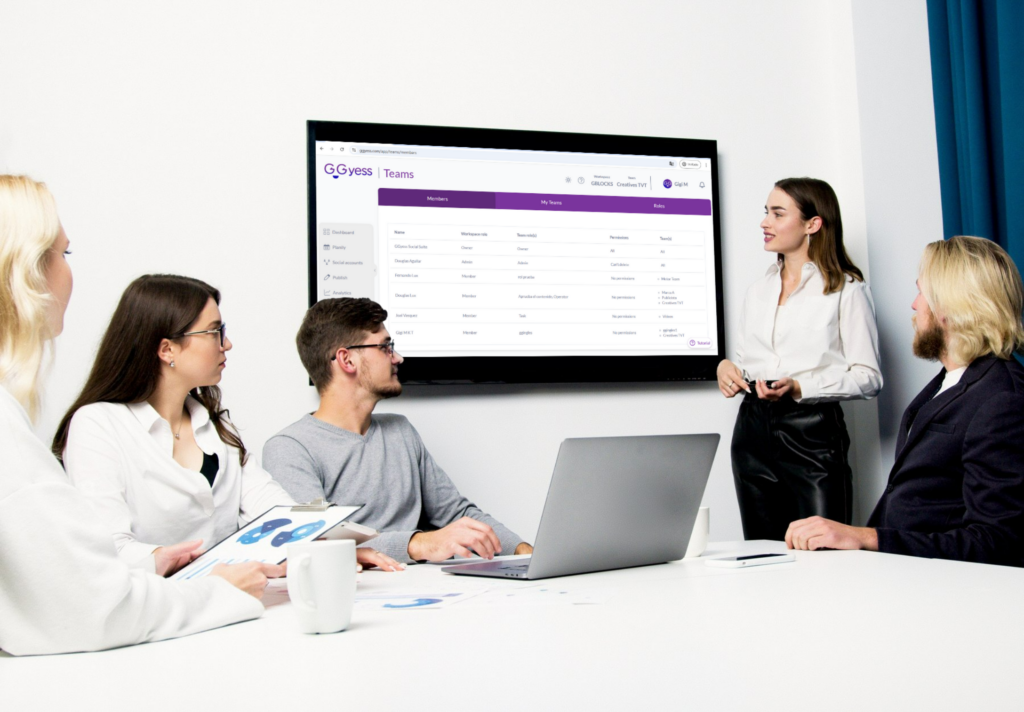
Pro Tip: GGyess offers task management features specifically designed for marketing teams, combining scheduling, collaboration, and analytics in one platform.
Step 5: Provide Constructive Feedback
Delegation isn’t a one-and-done process; it requires ongoing communication and feedback. Providing constructive feedback ensures that tasks meet your expectations while empowering your team to improve and grow.
How to Give Effective Feedback:
- Be Specific: Avoid vague comments like “This isn’t right.” Instead, explain what needs to be changed and why.
- Focus on Solutions: Instead of only pointing out mistakes, suggest ways to improve.
- Be Timely: Offer feedback promptly so your team can make adjustments before moving too far off course.
- Celebrate Successes: Acknowledge what was done well to build confidence and reinforce good practices.
Example of Feedback for a Blog Post:
- Positive: “The introduction is engaging and sets a strong tone for the topic.”
- Constructive: “The middle section could use more examples to illustrate the key points. Adding a graphic would also help clarify the data.”

Step 6: Ensure Accountability Without Micromanaging
It’s important to strike a balance between ensuring accountability and giving your team the autonomy to complete their tasks. Micromanaging can erode trust and stifle creativity, while too much hands-off management can lead to missed deadlines or poor-quality work.
Tips for Maintaining Accountability:
- Set Milestones: Break larger tasks into smaller milestones with checkpoints to review progress.
- Use Regular Updates: Schedule brief weekly or bi-weekly check-ins to discuss status and address any issues.
- Track Progress Visibly: Use tools like GGyess or Trello to monitor task completion without constant follow-ups.
Pro Tip: GGyess allows you to assign tasks, set deadlines, and track progress in real-time, ensuring visibility without micromanaging.
Step 7: Create Standard Operating Procedures (SOPs)
Consistency in marketing tasks is crucial, especially when multiple people are involved. Standard Operating Procedures (SOPs) provide clear, repeatable instructions for your team to follow, reducing errors and ensuring consistency.
How to Create Effective SOPs:
- Outline Steps Clearly: Break down tasks into step-by-step instructions.
- Include Examples: Provide templates, examples, or screenshots to clarify expectations.
- Make Them Accessible: Store SOPs in a shared location like Google Drive or GGyess.
- Update Regularly: Revise SOPs as processes evolve or tools change.
Sample SOP for Scheduling Social Media Posts:
- Draft post content using the brand voice and tone.
- Use Canva templates to create accompanying visuals.
- Schedule posts in GGyess for optimal times based on audience insights.
- Tag the manager for approval before publishing.

Step 8: Foster Open Communication
A culture of open communication makes delegation smoother and more effective. Your team should feel comfortable asking questions, seeking clarification, and providing feedback.
How to Foster Open Communication:
- Encourage Questions: Let your team know it’s okay to ask for help or clarification.
- Be Approachable: Maintain a positive, approachable demeanor to build trust.
- Create Feedback Loops: Regularly ask your team for feedback on the delegation process to identify areas for improvement.
Step 9: Monitor and Adjust
Delegation is not a static process. You need to monitor how tasks are being executed and make adjustments as needed.
How to Monitor Effectively:
- Review Deliverables: Check completed tasks against the original expectations.
- Evaluate Team Workloads: Ensure no one is overwhelmed or underutilized.
- Use Performance Metrics: Measure the success of delegated tasks through analytics, such as campaign performance or engagement rates.
Pro Tip: With GGyess, you can track task progress and performance metrics in one place, making it easy to identify bottlenecks or areas for improvement.

Step 10: Build Trust and Empower Your Team
Delegation is about more than just getting tasks off your plate—it’s about building a team that can operate independently and effectively. Empowering your team fosters a sense of ownership and accountability, leading to better results.
Ways to Empower Your Team:
- Trust Their Abilities: Show confidence in their skills and avoid micromanaging.
- Encourage Creativity: Allow room for innovation and new ideas.
- Provide Opportunities for Growth: Offer training, resources, and mentorship to help your team develop professionally.
Conclusion
Delegating marketing tasks doesn’t mean relinquishing control—it means strategically distributing responsibilities to leverage your team’s strengths while maintaining oversight. By setting clear expectations, using the right tools, and fostering communication and trust, you can delegate effectively without losing quality or consistency.
With platforms like GGyess to streamline task management and collaboration, you’ll find that delegation not only lightens your workload but also empowers your team to thrive. Start small, refine your processes, and watch your marketing efforts reach new heights!