
Introduction: In a world where marketing trends come and go, neuromarketing stands strong as one of the most effective strategies. This discipline, which combines neuroscience and marketing, helps us understand why people are drawn to certain brands and what drives them to make decisions. Although it’s been on the scene for years, it remains a key tool for building deep, lasting connections with consumers. In this blog, I’ll share why neuromarketing is still so valuable and how to apply it so your brand speaks to your customers’ hearts.
1. What is Neuromarketing and Why Is It Still So Relevant?
The Power of Neuroscience in Marketing: Neuromarketing focuses on studying the brain’s responses to different marketing stimuli, enabling brands to know not only what consumers like but also the real emotions and motivations behind those preferences.
Why Doesn’t It Go Out of Style? The answer is simple: it’s based on human nature. While platforms and marketing styles evolve, the way our brain responds to stimuli remains quite constant. Through neuromarketing, brands can generate bonds that withstand the test of time, adapting to each trend change without losing impact.

2. Understanding the Psychology Behind Purchase Decisions
Emotions at the Heart of It All: When we buy, we don’t just think in terms of data or features; our emotions lead us to make choices. We’re influenced by what makes us feel, and neuromarketing understands this perfectly.
Create Real Connections with Your Audience: With neuromarketing, you can design campaigns that speak to your audience’s feelings. Do you want your brand to be associated with joy, trust, or nostalgia? Choose the right visuals, colors, and sounds, and you’ll see how the audience emotionally connects with your messages.
3. The Visual Power That Captures Attention
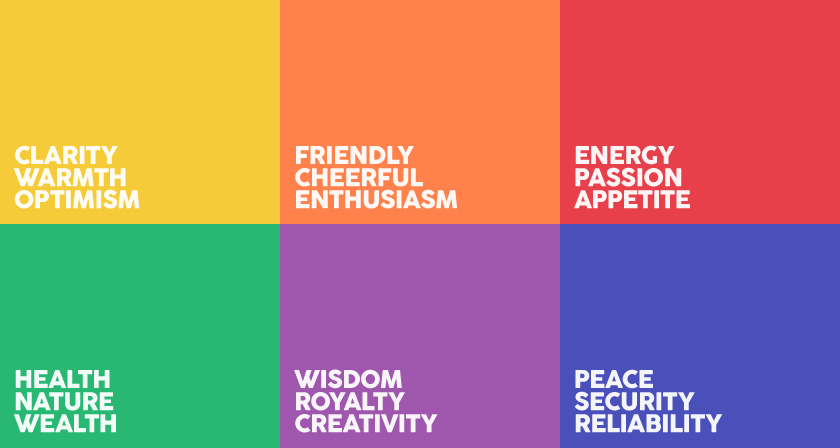
Colors That Speak for You: Colors are not just an aesthetic choice; they influence how people feel. For example, red can evoke urgency or passion, while blue conveys calmness and trust. Choosing the right colors for your campaign can make your message resonate better.
Design That Directs the Gaze: Well-thought-out design captures and holds attention. Neuromarketing helps identify the best visual compositions, those that draw the eye effortlessly to key elements, making the message memorable and easy to process.
4. Strategies That Remain Functional Thanks to Neuromarketing
Scarcity and Exclusivity Strategy: Creating a perception of exclusivity or limited edition can increase the desire for a product. When consumers feel something is unique or hard to come by, they tend to value it more and act quickly.
Priming: Prepare the Mind for Your Message: Priming is a technique where stimuli are presented before the main message to “prime” the brain, making the final message even more impactful. If you want your audience to be in the right emotional state, this technique is for you.
5. Neuromarketing in Social Media
Capture with Fast, Visual Content: On platforms like Instagram and TikTok, the first few seconds are crucial. Thanks to neuromarketing, brands can optimize visual and auditory elements to grab attention instantly, with content that hooks viewers from the first glance.
A/B Testing to Fine-Tune the Message: Testing different versions of an ad allows you to see which colors, words, and sounds work best. This way, you can adjust your social media campaigns so that each post resonates optimally with your audience.

6. The Magic of Storytelling
Stories That Touch the Heart: Stories have a special power to connect with people. When a brand tells a story with emotions like happiness or surprise, it captures attention and stays in the listener’s memory.
Building Memories Through Storytelling: A good story is not only interesting at the moment but also becomes an emotional memory. This way, consumers remember not only the message but also the feeling of having felt identified or inspired.
7. The Value of Simplicity
Our Brain Loves Simplicity: Clear, concise messages are easier to process. The less effort it takes to understand a campaign, the more appealing it is to the brain. Sometimes, less is more.
Smart Minimalism: It’s not necessary to fill a post with details or elements for it to be effective. Simplicity in designs and messages makes the information easy to understand, generating a positive and memorable experience.
8. Sensory Experiences to Build Loyalty
The Impact of Sound and Music: Sounds, especially music, evoke emotions immediately. Using specific songs or sound effects in campaigns can strengthen the emotional bond and make the brand more recognizable.
The Full Sensory Experience in Physical Stores: Although neuromarketing is highly effective in the digital world, physical experiences also make a difference. Scents, textures, and sounds at the point of sale create an experience that consumers directly associate with the brand.
You might be interested:AI-Centered Customer Service: Transforming the User Experience
9. Customer Experience with a Neuromarketing Focus
Make the Experience Memorable: From the first contact to post-purchase, creating positive and seamless experiences increases satisfaction and strengthens the relationship with the customer.
Empathy-Driven Personalization: When customers feel the message is made for them, they respond more positively. With the right data, brands can personalize their campaigns and show empathy by adapting to each customer’s needs.

10. Measure and Adjust with Analysis Tools
Use Data to Better Understand Your Audience: It’s not only important to apply neuromarketing; measuring its effects is also crucial. Analysis tools help observe how your audience reacts to each stimulus, allowing you to make adjustments to improve the campaign.
Continuous Optimization: Constant measurement allows brands to fine-tune the message and adapt strategies so that each action has the greatest possible impact. With tools like GGyess, you can track your posts in detail, see what works best, and adjust your tactics to achieve a stronger emotional connection.
11. Building Loyalty Through Neuromarketing
Cultivate Long-Term Emotional Relationships: Neuromarketing not only helps attract customers but also builds lasting relationships. When a brand connects emotionally, it creates deeper bonds and loyal customers.
Rewards That Generate Reciprocity: Offering unique experiences, rewards, or exclusive benefits not only fosters customer loyalty but also creates a sense of belonging. This way, consumers feel valued and have one more reason to prefer your brand.
Conclusion: Neuromarketing remains an unbeatable tool for understanding and connecting with consumer emotions. Through a combination of visuals, stories, sensory experiences, and clear messages, brands can capture attention and build lasting relationships with their audiences. With platforms like GGyess, brands can manage and measure every aspect of their social media campaigns, ensuring that their efforts are aligned with the desires and emotions of their followers. In a world where emotions increasingly drive purchasing decisions, neuromarketing proves that it is not a passing fad but an essential strategy for any business that wants to leave a lasting mark.