
Introduction: In digital marketing, the sales funnel is a crucial process for turning a potential audience’s initial interest into an effective conversion. Social media has become a powerful channel to nurture this funnel, enabling brands to connect with their audience at each stage of the buyer’s journey. From initial awareness to loyalty, each phase of the sales funnel can be optimized with a strong social media strategy. In this blog, we’ll explore how to harness the potential of social media in each stage of the sales funnel and the key strategies to guide your followers toward conversion.
1. What is a Sales Funnel on Social Media?
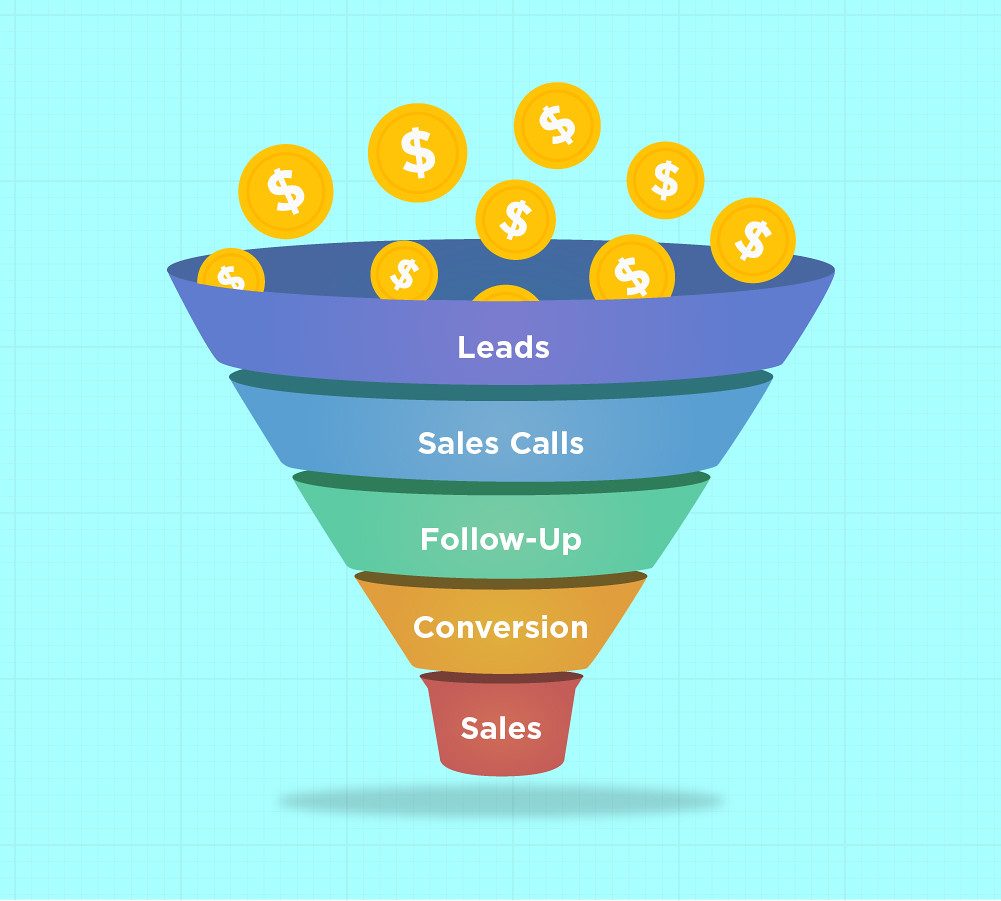
Definition and Purpose: A sales funnel is a strategic model that outlines the process by which a potential customer moves from their first interaction with a brand to making a purchase, and beyond. On social media, the sales funnel is adapted to leverage these platforms’ interactive nature, guiding users through this journey organically. Why It’s Important for Social Media: Social media allows direct and continuous interaction with users, facilitating the process of converting interest into a lasting relationship. Through relevant and valuable content, brands can build a seamless journey that fosters customer loyalty and retention.
2. Attraction Phase: Capturing New Followers’ Attention
Create Attractive and Viral Content: In this initial phase, the goal is to grab the attention of users who may not yet know the brand. To do this, content must be eye-catching and have a viral element that motivates users to interact and share. Targeted Advertising: Social media ad campaigns allow you to segment specific audiences and attract users who may be interested in the brand’s products or services. Advertising is a valuable tool to bring in new traffic and attract potential customers from the very start.
3. Consideration: Educating and Nurturing Interest
Educational and Value-Driven Content: In this phase, content should focus on educating the audience about the product or service benefits and answering common questions. Posts like blogs, tutorials, and webinars help users better understand the value the brand offers. Building Trust: Building credibility is essential in the consideration phase. Posting testimonials, case studies, and reviews from real customers can help build trust. Transparency and authenticity are key for users to feel that the brand is reliable and genuine.

4. Conversion: Encouraging Followers to Make a Purchase
Special Offers and Promotions: Once users are ready to buy, you can encourage them to act with promotions, discounts, and exclusive offers for social media followers. This strategy not only drives conversion but also makes users feel they’re receiving special treatment. Clear and Engaging Calls to Action (CTAs): CTAs are crucial at this stage. Clear and specific CTAs, like “Buy Now” or “Get an Exclusive Discount,” guide the user and make the buying process simple and direct.
5. Loyalty: Turning Customers into Brand Advocates
Providing Ongoing Value: After the customer makes their first purchase, it’s important to maintain the relationship. Offering exclusive content for customers, providing personalized support, and following up post-purchase help to build a lasting relationship. Loyalty Programs and Rewards: Loyalty programs, where customers can earn points or benefits for repeat purchases, foster repeat purchases and loyalty. Such programs can be effectively promoted on social media to attract current customers to participate actively.
6. Strategies for Optimizing the Social Media Sales Funnel
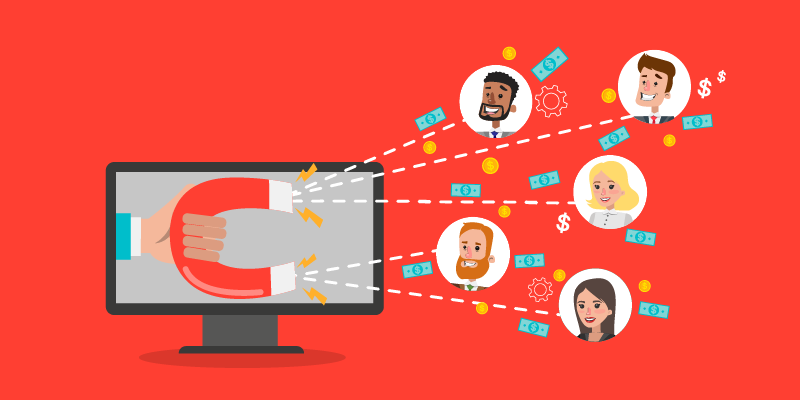
Audience Segmentation: Knowing your audience and segmenting it properly allows you to create personalized content for each funnel stage. Segmentation also helps optimize resources by focusing efforts on those most likely to convert. Social Media Retargeting: Retargeting is essential to keep users engaged during the consideration phase and encourage them to move toward conversion. Through specific ads, you can recapture the attention of those who visited your profile or interacted with your posts without making a purchase.
You might be interested in The Evolution of Social Media Sales Channels: How to Adapt to a Constantly Changing Market
7. Tools for Managing and Measuring the Social Media Funnel
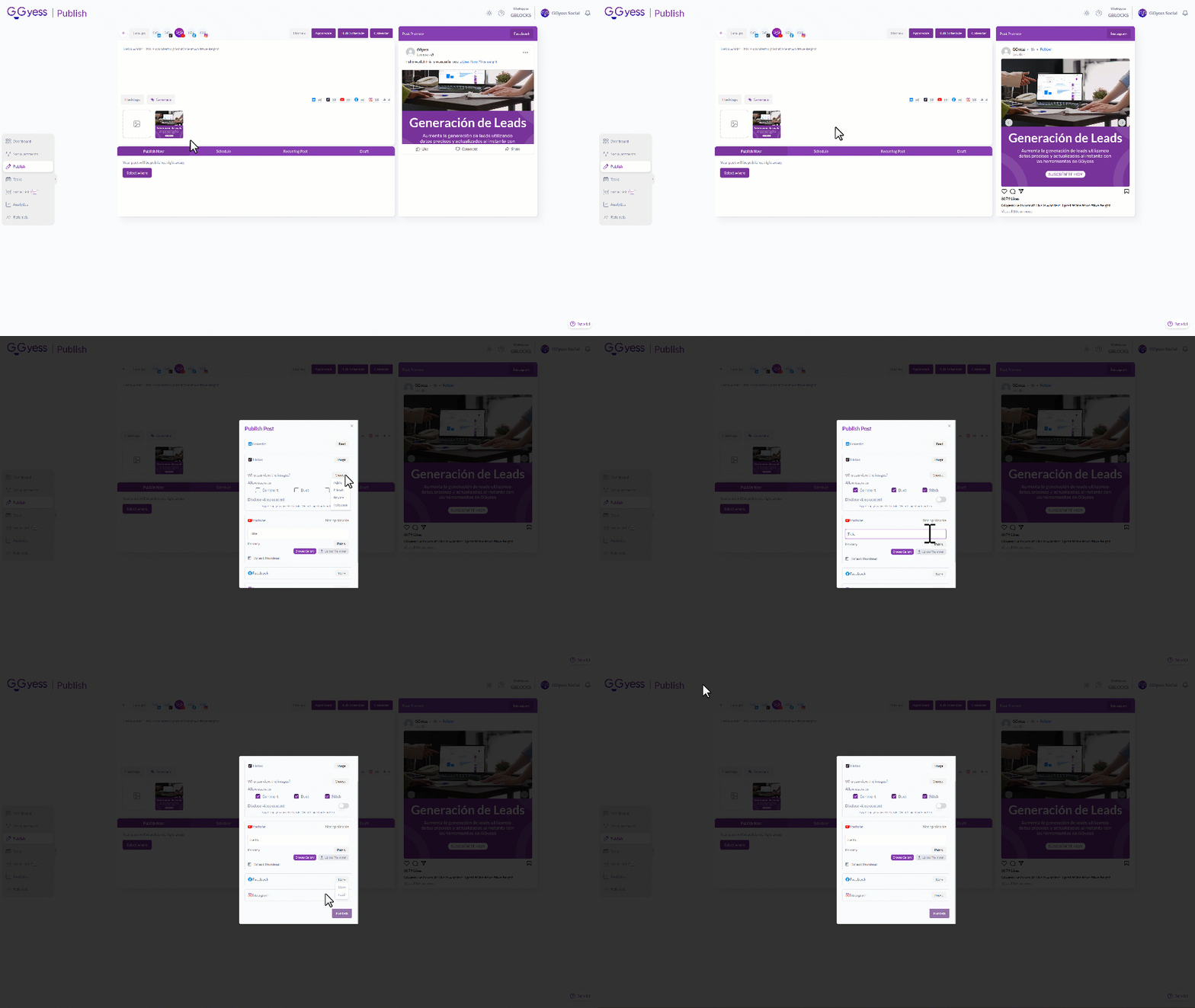
Comprehensive Content Management: Using a platform like GGyess, which allows you to manage, schedule, and monitor social media content, facilitates managing each funnel stage. With GGyess, you can strategically schedule posts, track interactions, and adjust your strategy based on results. Data Analysis for Continuous Optimization: Measuring each funnel stage’s performance is crucial. Tools offering detailed analysis enable you to visualize the impact of each post and identify areas for improvement. Understanding drop-off points in the funnel helps make informed decisions and continuously improve strategy effectiveness.
8. The Power of User-Generated Content (UGC) in the Funnel
UGC as Social Proof: User-generated content is a powerful way to inspire confidence at every funnel stage. From testimonials to customer images using the product, UGC acts as social proof that helps attract and convert more users. Boosting Loyalty: When customers see that the brand values and shares their content, they feel more connected and loyal to it. Encouraging followers to create content and featuring their posts fosters an active and engaged community.
9. Adapting Content for Each Social Network
Understanding Each Platform’s Nature: Social networks have different formats and types of audiences. Adapting content to resonate with each platform’s style is essential. For instance, Instagram is ideal for visual and promotional content, while LinkedIn is better suited for educational and industry-oriented content. Content Diversification: Posting different content types, such as videos, infographics, and text posts, keeps users interested at every funnel stage and captures their attention from different angles.

10. Tips for Creating an Effective Social Media Sales Funnel Strategy
Define Clear Objectives for Each Stage: Each funnel phase should have specific objectives. Setting goals for each stage allows for more focused strategies and the ability to measure each action’s success. Test and Optimize: In digital marketing, experimentation is key. Perform A/B tests on your posts and ads to discover which content works best at each funnel stage. Continuous optimization is essential to achieve better results and make adjustments as you gain more insights into your followers’ behavior.
Conclusion: The social media sales funnel is a strategy that turns followers into loyal customers through valuable content and meaningful experiences at each stage. From initial attraction to loyalty, each funnel phase can be powered by specific tactics, with social media as the ideal channel for building lasting relationships. By integrating tools like GGyess into your strategy, you can simplify sales funnel management and optimize every social media interaction to meet your business objectives effectively. Don’t underestimate the power of a well-managed funnel strategy: it’s key to converting interest into loyalty and, ultimately, into sales.