
In marketing, we often talk about the importance of what we say, but just as critical—if not more so—is how we say it. The tone of voice in marketing can make or break your message. From a psychological perspective, experts in oratory emphasize how tone shapes emotions, perceptions, and behaviors. In social media, this voice becomes the bridge between brands and audiences, creating connections that go beyond mere content.
The Psychology of Tone of Voice
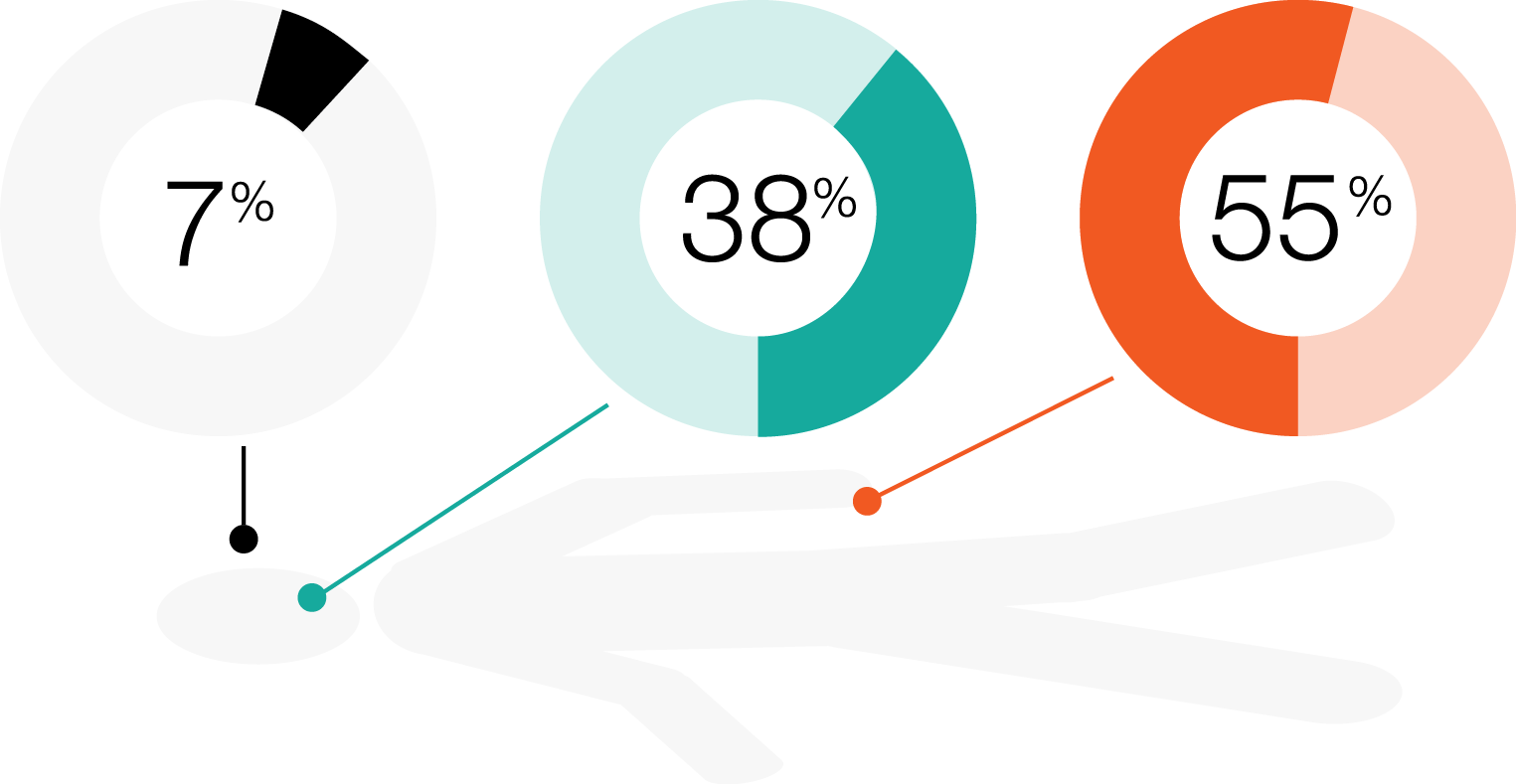
From a psychological standpoint, the tone of voice has a significant impact on how messages are received. According to Dr. Albert Mehrabian’s research, communication is not solely about words. In fact, he proposed the “7-38-55 Rule,” which suggests that only 7% of communication is verbal (the words themselves), while 38% is tone of voice, and 55% is body language. This highlights that tone has a profound effect on emotional responses.
In marketing, this translates into the need to carefully craft not only the message but the emotional texture of how that message is delivered. Whether it’s authoritative, friendly, empathetic, or humorous, the tone helps establish the relationship between the brand and its audience. Tony Robbins, an expert in public speaking, often discusses how varying tone can evoke different emotions—whether it’s inspiring action, creating trust, or even instilling a sense of urgency.
Additionally, neuroscientists suggest that the brain responds to tonal variations more deeply than to the actual content of words. Studies have shown that certain tones can trigger emotional memories or stress, while others foster calm and openness. This explains why in marketing, adopting the right tone of voice can influence buying decisions, brand loyalty, and even the way people perceive a brand over time.
Experts on Oratory: The Art of Tone in Speech

From the perspective of experts in oratory, like Carmine Gallo, author of Talk Like TED, tone of voice in marketing is like the “music” of your speech. Just as a monotone speaker can lose an audience, a flat or inconsistent tone can alienate or confuse potential customers. Gallo emphasizes that tone needs to match the content and context. For example, a tone of excitement works well for launches or promotions, while a more serious and professional tone is better suited for addressing industry topics or crises.
Experts also suggest that mastering the tone of voice involves flexibility—adapting the tone based on the audience and situation. Simon Sinek, a leadership and communication expert, points out that brands must “speak” in a tone that resonates with the core values and desires of their audience. This creates authenticity, which is a critical component in building trust and long-term relationships in marketing.
Moreover, the tone in marketing should reflect the brand’s personality consistently across all platforms. Nancy Duarte, another expert in communication, explains that great communicators use tone strategically, altering their pace, pitch, and emphasis to keep the audience engaged. In marketing, this could mean adjusting the tone depending on the medium—whether a webinar, video, podcast, or written content.
Tone of Voice in Social Media: Building Relationships
When it comes to social media, tone of voice is the personality of your brand, often the first thing users notice when interacting with you online. Gary Vaynerchuk, a well-known marketing guru, often highlights the importance of adapting tone to each platform while maintaining consistency in the brand’s core message. On Twitter, for example, a brand’s voice might be more casual and conversational, while on LinkedIn, it would naturally shift to a more professional and authoritative tone.
Social media platforms provide the perfect opportunity to build connections, and the tone is the key element in forming those relationships. Rory Sutherland, Vice Chairman of Ogilvy, suggests that the tone should evoke feelings of warmth, approachability, and engagement on platforms like Instagram or Facebook, where brands compete not just for attention but for emotional engagement.
On platforms like TikTok, for example, brands have seen success by adopting a playful and relatable tone that fits the platform’s lighter and more humorous content. On the other hand, platforms like LinkedIn require a more polished and informative tone that projects authority and professionalism. Understanding the nuances of tone on each platform ensures your brand voice resonates with the intended audience in a contextually appropriate manner.
Finding Your Marketing Voice
Defining your marketing tone of voice involves understanding both your brand’s identity and your audience’s expectations. Psychological theories on tone suggest that consistency is key to building trust, yet adaptability ensures relevance. According to marketing expert Seth Godin, a brand voice should never sound forced; it must come from an authentic place, reflecting the core values of the brand.
Here are some guidelines to help you find the right marketing voice:
- Know your audience: Tailor your tone based on the demographics, preferences, and values of your target audience.
- Match the medium: The tone on social media, blog posts, and newsletters should adjust depending on the platform, but the overall message should remain consistent.
- Be authentic: Whether serious, playful, or empathetic, your tone must reflect your brand’s genuine personality to build long-term loyalty.
- Engage with empathy: In today’s customer-centric world, a tone that shows empathy and understanding of the customer’s needs can create deeper connections.
The tone of voice in marketing is more than just words; it’s about creating an emotional bridge that connects your brand with its audience. The right tone can inspire action, foster loyalty, and ultimately drive your marketing efforts toward success.
If you’re interested in learning more about how to appeal to your audience’s emotions, especially through nostalgia, check out this Marketing That Appeals to Nostalgia.
And remember, with GGyess, you can maintain a consistent tone of voice across all your platforms while saving time by automating your social media posts. Whether you’re engaging your audience on Instagram or crafting professional content for LinkedIn, GGyess allows you to streamline your workflow and focus on what matters most—building lasting connections with your audience.