Introduction
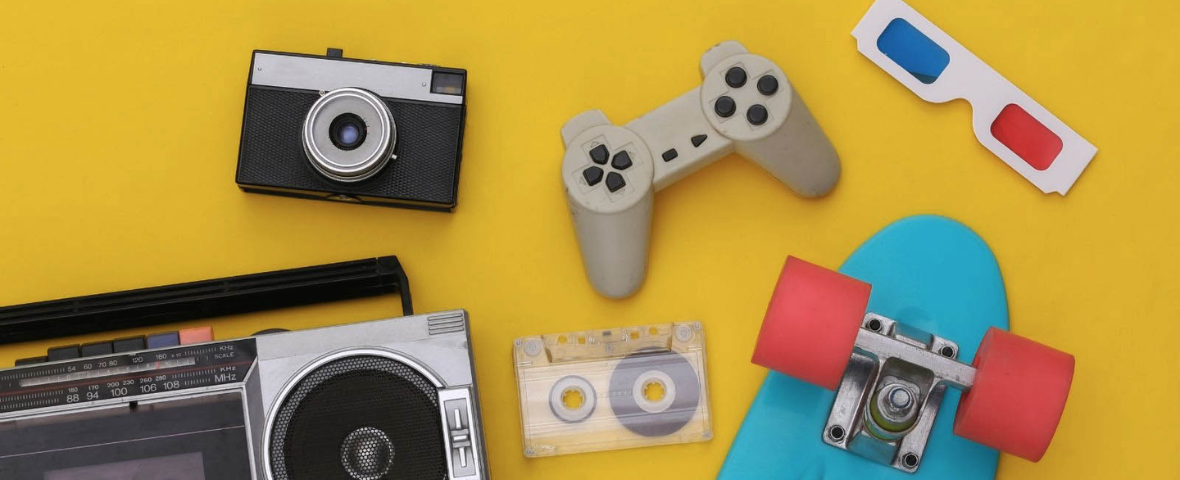
Marketing that appeals to nostalgia has proven to be a powerful strategy for connecting with consumers. This technique relies on evoking memories and emotions from the past, creating a deep emotional connection with the product or service. But why does it work so well? How can companies innovate using this strategy? In this article, we will explore these questions and more, highlighting examples of companies that have effectively utilized nostalgia.
Why Does Nostalgic Marketing Work?
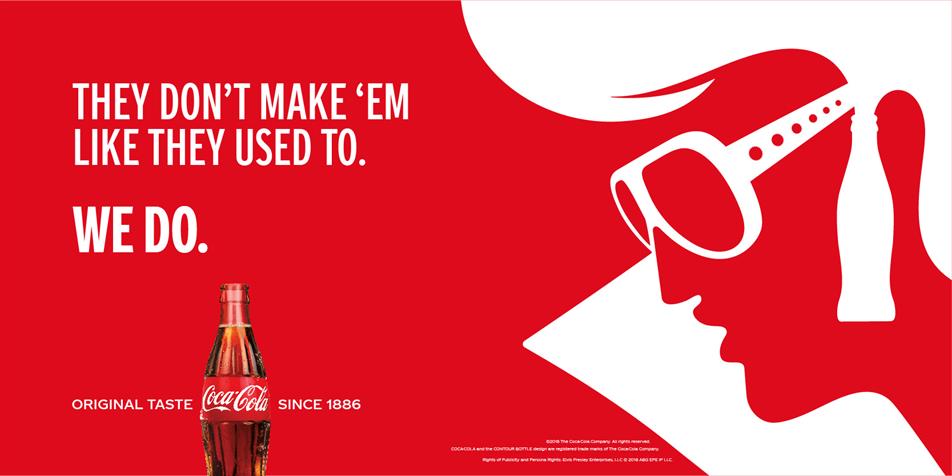
Nostalgia generates a sense of comfort and security. It transports us to simpler times, often associated with childhood or youth, when life seemed less complicated. This emotional connection can be incredibly powerful, influencing purchasing decisions and fostering brand loyalty.
From a psychological perspective, studies have shown that nostalgia can improve mood, increase self-esteem, and reduce stress. These positive emotions are then associated with the brand that evokes those memories, creating a lasting connection. Companies like Coca-Cola have leveraged this to perfection, launching campaigns that reference their historic ads and classic packaging.
Question: Do you remember any ad that transported you back to your childhood? What emotions did it make you feel?
Innovations in Nostalgic Marketing
Innovation in nostalgic marketing involves finding a balance between the old and the new. It’s not just about reproducing old successes but reinventing them to resonate with today’s audience. A brilliant example is the “Pokémon” video game series. By launching “Pokémon Go,” Niantic not only capitalized on the nostalgia of players from the ’90s but also incorporated modern augmented reality technology, attracting both old fans and a new generation.
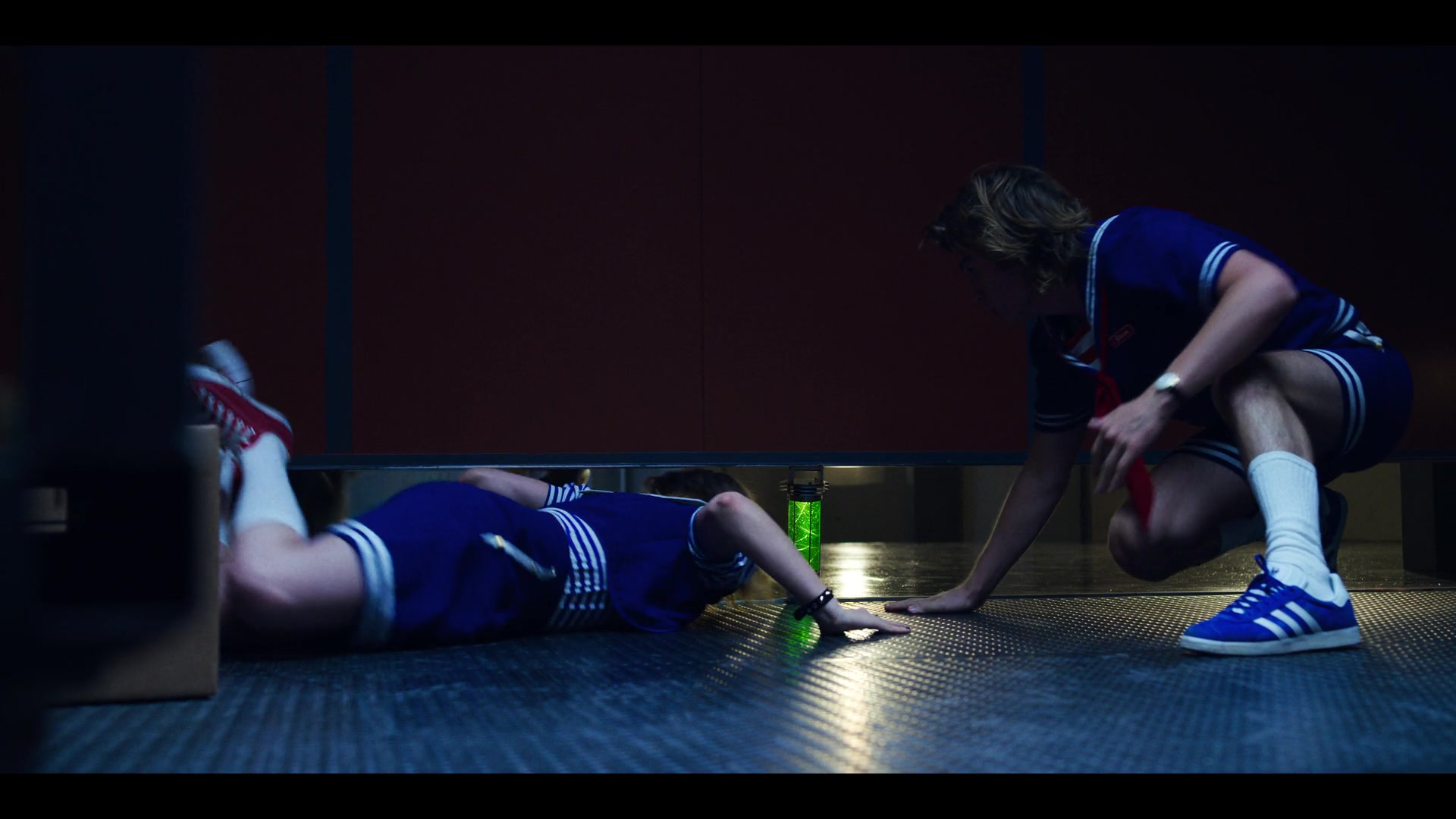
Another innovative strategy is the collaboration between current brands and nostalgic products. For instance, Adidas has released special editions of their sneakers inspired by ’80s and ’90s TV shows and movies like “Stranger Things” and “Star Wars.” These collaborations not only attract fans of these franchises but also introduce the products to new consumers.
Question: What products or trends from your youth would you like to see reinvented with current technology?
You might also be interested in: Hashtags: What, Why, and Importance
Examples of Companies Using Nostalgia
Both large and small companies have found a goldmine in nostalgia. One example is Lego, which has released sets that recreate scenes and characters from classic movies like “Star Wars” and “Harry Potter.” These sets not only attract children but also adults who grew up with these movies and can now share the experience with their children.
Lesser-known brands have also capitalized on this strategy. For instance, Polaroid has made a comeback with instant cameras that combine classic design with modern digital technology. This blend of old and new has attracted photography enthusiasts looking for a unique and tangible experience in the digital age.
Question: What product from your childhood would you like to see come back into fashion?
Humor and Nostalgia: A Winning Combination
Incorporating humor in nostalgic marketing can amplify its effectiveness. Humor can make memories even more enjoyable and memorable. For example, Old Spice has humorously used nostalgia in their ads, recreating the aesthetics and style of commercials from the ’70s and ’80s but with a modern and funny twist that has resonated with audiences of all ages.
The key is not to take oneself too seriously. Nostalgia and humor can humanize a brand, making it more accessible and relatable. This approach can help companies stand out in a crowded market and build a lasting emotional connection with their consumers.
Question: What is the funniest and most nostalgic ad you’ve seen? How did it make you feel about the brand?
Real Data and Nostalgia
Data and statistics can strengthen a nostalgic marketing campaign by providing evidence of its effectiveness. According to a Nielsen study, ads that appeal to nostalgia are 20% more likely to be remembered by consumers. Additionally, a HubSpot survey revealed that 65% of consumers feel more connected to brands that remind them of their past.
Companies like Nintendo have used these data to justify their investments in re-releasing classic consoles like the NES and SNES Classic Editions. These products have not only been commercial successes but have also revitalized interest in the brand among younger generations.
Question: Are you more attracted to brands that remind you of your past? Why do you think that is?
GGyess Function for This Strategy: The content management function of GGyess allows companies to plan and automate nostalgic campaigns, ensuring that the right messages reach the right audience at the right time.
Conclusion
Marketing that appeals to nostalgia is not just about looking back but connecting the past with the present and future. By evoking positive memories and emotions, brands can build stronger and lasting relationships with their consumers. Whether through technological innovations, creative collaborations, or the use of humor, nostalgia remains a powerful and effective tool in any marketer’s arsenal.
Question: What nostalgic strategies would you like to see from your favorite brands? How do you think they could improve your connection with them?
God bless you, and may your happy memories always accompany you. Let’s start creating memorable campaigns with GGyess!