
Introduction: Social media has radically transformed the way businesses interact with their customers and optimize their sales processes. Implementing an effective sales funnel on these platforms not only improves lead acquisition and conversion but also maximizes return on investment in digital marketing. This blog explores how to use social media to develop and optimize a sales funnel, guiding prospects from awareness to final conversion.
1. Defining the Sales Funnel:
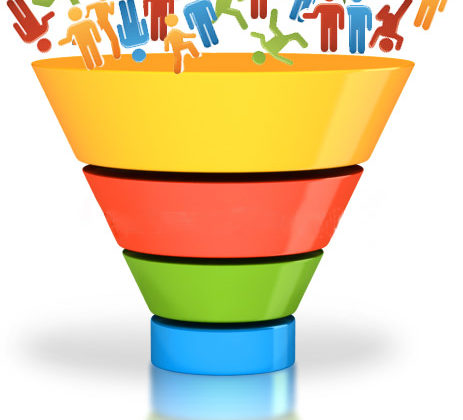
- Key Concept: A sales funnel is a model that represents the customer journey from the first contact with the brand to the final purchase. In the context of social media, this model is adapted to capture user attention, engage them, convert them into leads, and ultimately into customers.
- Importance in Social Media: Social media offers unique tools for segmenting and capturing audiences, allowing businesses to target their audience more effectively and personally.
2. Stages of the Sales Funnel in Social Media:
- Awareness (Top of the Funnel – TOFU): At this stage, the goal is to generate brand awareness. Strategies include viral content, video ads, and informative posts that attract the attention of potential customers.
- Consideration (Middle of the Funnel – MOFU): Here, the focus shifts to engaging and educating the audience. Content such as webinars, case studies, and product demonstrations are effective in deepening customer interest in the offering.
- Conversion (Bottom of the Funnel – BOFU): In the final stage, the goal is to convert leads into customers. Exclusive promotions, limited-time offers, and clear calls to action are crucial to driving purchase decisions.
3. Key Strategies for Each Stage:
- Awareness: Use paid ads with detailed targeting to reach large audiences. The content should be engaging and easily shareable, focusing on the brand’s values and benefits.
- Consideration: Offer valuable content that establishes your brand’s authority and educates your audience on how your products or services can solve their problems.
- Conversion: Implement retargeting campaigns on social media to re-engage those who have previously shown interest, using personalized messages based on their previous interaction.
4. Measuring and Optimizing the Funnel:
- Data Analysis: Tracking and analyzing how users interact with your content at each stage of the funnel is vital. Built-in analytics tools on social media platforms, as well as other external tools, can provide valuable insights into user behavior.
- Performance-Based Adjustments: Use the data collected to continually refine your strategies. This may include adjusting messages, modifying audience segments, or changing the types of content offered.
5. Integration with Social Media Management Tools:
- Using Platforms like GGyess: Tools like GGyess can be essential for managing and automating aspects of the sales funnel on social media. From scheduling posts to tracking conversions and generating reports, GGyess can help simplify and optimize the digital sales process.

Conclusion: Social media is a powerful tool for developing and optimizing sales funnels. By understanding and applying effective strategies for each stage of the funnel, businesses can significantly improve their interaction with customers and increase conversions. With the help of advanced tools like GGyess, it’s possible to manage these processes more efficiently, ensuring that every step of the funnel contributes to the overall success of sales campaigns.
You might also be interested in: Types of Marketing: A Comprehensive Guide