
Marketing is a dynamic and essential field that encompasses a variety of strategies and techniques used by businesses to promote their products, services, and overall brand. Different types of marketing cater to different business objectives, from increasing visibility to fostering customer loyalty. This article provides a comprehensive guide on the main types of marketing used in the business world, highlighting their features, advantages, and how they can be integrated into an effective marketing strategy.
Digital Marketing
- SEO (Search Engine Optimization): Involves optimizing a website to improve its ranking in search engine results. It includes both on-page and off-page elements to attract high-quality organic traffic.
- Content Marketing: Focuses on creating and distributing valuable, relevant, and consistent content to attract and retain a defined audience and ultimately drive profitable customer action.
- Social Media Marketing: Utilizes platforms like Facebook, Instagram, Twitter, and LinkedIn to promote products or services, foster user engagement, and increase brand visibility.
- Email Marketing: Involves sending personalized emails to a list of subscribers to inform them about new products, offers, and relevant content, keeping customers connected and engaged with the brand.
Traditional Marketing
- Media Advertising: Includes advertising on traditional platforms such as television, radio, newspapers, and magazines. Despite the growing prevalence of digital marketing, these channels remain effective for certain audience segments.
- Direct Marketing: Uses direct mail, telemarketing, and other means to send direct messages to consumers, allowing for personalized communication and direct measurement of consumer response.
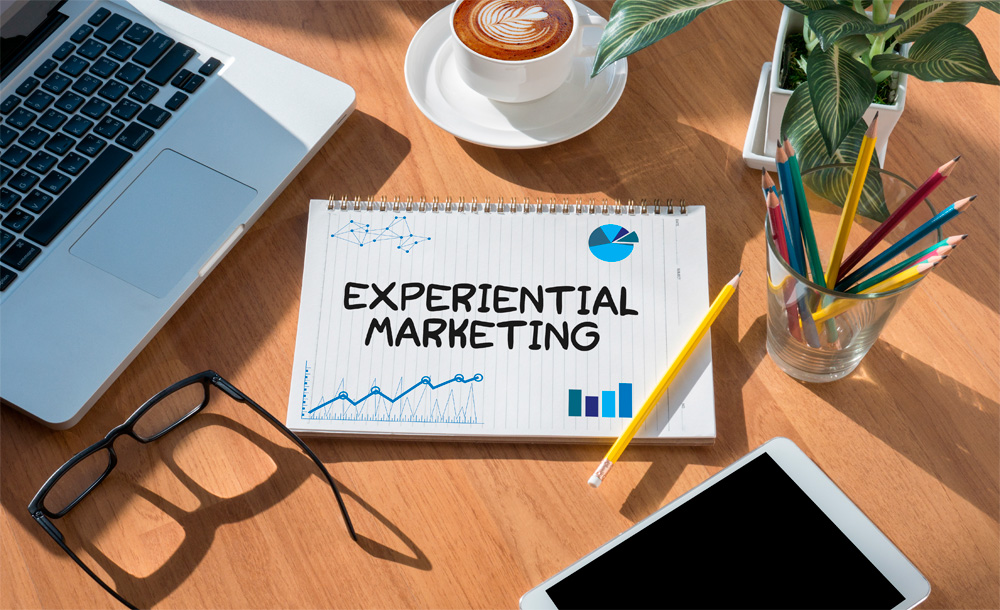
Experiential Marketing
- Events and Sponsorships: Organizing events or sponsoring activities that provide immersive experiences for consumers, which can create strong and lasting emotional connections with the brand.
- Guerrilla Marketing: Uses unconventional and low-cost tactics to promote a product or service in public places, often surprising consumers with creative or interactive acts.
Influence Marketing
- Collaborations with Influencers: Partnering with individuals who have a large following on their social platforms to promote products in a more organic and trustworthy manner.
Affiliate Marketing
- Affiliate Programs: Companies reward one or more affiliates for each visitor or customer brought by the affiliate’s own marketing efforts, using special links to track referrals.
Green Marketing
- Sustainable Strategies: Promoting products or services that are environmentally friendly, using campaigns that highlight sustainability as a key brand feature.
Database Marketing
- Targeted Marketing: Using customer databases to segment the market and create personalized and targeted marketing campaigns, improving the relevance and effectiveness of communications.
B2B Marketing (Business to Business)
- Networking and Business Relations: Strategies designed to build and maintain long-term relationships with other businesses, which is crucial in markets where transactions occur between companies.
B2C Marketing (Business to Consumer)
- Consumer Advertising: Strategies that directly target the end consumer, using emotional and persuasive techniques to influence purchasing decisions.
Neuromarketing
- Consumer Behavior Research: Using technology to measure consumers’ physical and emotional reactions to marketing stimuli, which helps design more effective advertising campaigns.
Omnichannel Marketing
- Integrated Brand Experience: Providing a consistent and unified customer experience across all channels and touchpoints, from physical stores to digital platforms.
International Marketing
- Global Strategies: Adapting marketing strategies to fit different cultures, regulations, and consumer behaviors in various countries.
You might also be interested in: Marketing That Appeals to Nostalgia
The types of marketing described offer a wide spectrum of tactics and strategies that businesses can use to achieve their commercial goals. By combining elements from different types of marketing, organizations can develop a comprehensive strategy that maximizes the reach and effectiveness of their marketing efforts. The choice of the right strategies will depend on the company’s specific objectives, target market, and available resources.
Master every type of marketing in one place. From managing your B2B networking to executing global Social Media campaigns, GGyess provides the integrated structure you need to grow. Simplify your strategy at GGyess.com