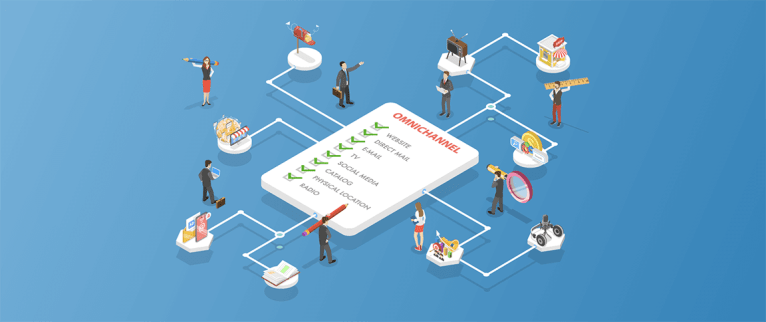
Omnichannel marketing has quickly become a vital strategy for businesses to thrive in today’s competitive landscape. By seamlessly integrating multiple communication channels and touchpoints, businesses can create a cohesive, personalized customer experience that builds loyalty and drives sales. This article delves into the basics of omnichannel marketing, exploring its benefits, challenges, best practices, and real-world examples of successful implementation.
This article is based on extensive research, including analysis of case studies, industry reports, and expert opinions, to provide a comprehensive understanding of the importance of omnichannel marketing in today’s business environment.
What is Omnichannel Marketing?
Omnichannel marketing is a customer-centric approach that aims to provide a consistent brand experience across all channels and devices a customer can use to interact with a company. This includes online channels such as websites, social media platforms, email and mobile apps, as well as offline channels such as brick-and-mortar stores, contact centers and direct mail.
The key differentiator of omnichannel marketing is its focus on creating a unified and seamless experience. Customers should be able to transition between channels effortlessly, with their interactions and preferences recognized and remembered at every touchpoint. For example, a customer can browse products on a company’s website, add items to their cart, and then complete the purchase through the mobile app. The omnichannel strategy ensures that your cart and browsing history are synced across all devices, providing a seamless and convenient shopping journey.
Discover how to build a memorable brand Download your guide here
Benefits of Omnichannel Marketing
Implementing an effective omnichannel strategy can generate significant benefits for businesses, including:
- Increased customer engagement and loyalty: By providing a consistent and personalized experience, companies can foster stronger relationships with their customers, leading to greater engagement and loyalty.
- Improved customer satisfaction: A seamless and convenient experience across all channels improves customer satisfaction, making it easier to interact with the brand and find the information or assistance they need.
- Higher conversion rates: Omnichannel marketing can lead to higher conversion rates by providing multiple touchpoints and making it easier for customers to make purchases or take desired actions.
- Increased revenue and profitability: By driving customer engagement, satisfaction, and conversions, omnichannel marketing can ultimately help increase revenue and profitability.
- Greater brand awareness and recognition: A consistent brand experience across channels strengthens brand awareness and recognition, making it easier for customers to identify and remember the brand.
- Better data collection and analysis: Omnichannel marketing allows companies to collect valuable data on customer behavior and preferences across different channels, providing insights to improve marketing strategies and personalization efforts.
Omnichannel Marketing Challenges
While the benefits of omnichannel marketing are undeniable, implementing a successful strategy can present several challenges:
- Data integration and management: Integrating data from multiple channels and systems can be complex and requires robust technology and data management capabilities.
- Maintain consistency: Ensuring a consistent brand experience across all channels can be challenging and requires careful planning and coordination.
- Personalization and segmentation: Delivering personalized messages and offers across different channels requires sophisticated targeting and targeting capabilities.
- ROI measurement: Accurately measuring the return on investment (ROI) of omnichannel marketing can be difficult and requires a comprehensive approach to data tracking and analysis.
- Technology and infrastructure: Implementing an omnichannel strategy requires investment in technology and infrastructure, such as customer relationship management (CRM) systems, marketing automation platforms, and analytics tools.
- Organizational silos: Breaking down organizational silos and fostering collaboration between different departments is crucial to omnichannel marketing success.
Best Practices for Omnichannel Marketing
To overcome these challenges and maximize the benefits of omnichannel marketing, companies should consider the following best practices:
- Develop a customer-centric strategy: put the customer at the center of your omnichannel strategy, focusing on their needs, preferences and journey.
- Create a unified brand experience: Ensure consistency in branding, messaging and customer service across all channels.
- Customize the customer journey: Leverage data and analytics to personalize the customer experience at every touchpoint.
- Invest in the right technology: implement the technology and infrastructure necessary to support your omnichannel strategy.
- Encourage collaboration and communication: break down organizational silos and foster collaboration between departments.
- Measure and analyze results: Track key metrics and analyze data to measure the effectiveness of your omnichannel strategy and make adjustments as necessary.
Examples of Successful Omnichannel Marketing
Several companies have successfully implemented omnichannel marketing strategies to improve customer experience and drive business growth. Here are some notable examples:
| Enterprise | Channel(s) | Omnichannel Strategy | Key Conclusion |
|---|---|---|---|
| Disney | Website, mobile app, on-site kiosks | It allows customers to plan trips, book accommodations and manage itineraries across multiple channels. The app provides park navigation, wait times, and food and drink ordering. | Cohesive experience that integrates pre-trip planning with the in-park experience. |
| Starbucks | Mobile app, website, in-store purchases | The Starbucks Rewards program allows customers to earn and redeem rewards through multiple channels. The app offers pre-ordering, mobile payments, and account management. | Integration of online and offline channels for a seamless rewards experience. |
| Sephora | Mobile application, physical store | The mobile app enhances the in-store experience with product information, ratings and reviews. The virtual try-on tool with augmented reality allows customers to experiment with makeup products. | Combination of the digital experience with physical interaction in the store. |
| Nike | Mobile application, physical store | The mobile app offers a personalized shopping experience with exclusive offers, product recommendations and access to events. Customers can scan products in the store, find their size and check availability. | Using mobile technology to improve the in-store and online shopping experience. |
| Money | Multiple channels | Moni uses omnichannel marketing to create an easy and accessible experience for its customers in Argentina, making credit and banking more accessible. | Focus on accessibility and ease of use through an omnichannel strategy. |
| Amazon | Website, mobile app, devices | Maintains consistency in content, design and usability across platforms for a seamless shopping experience. Facilitate purchases and returns from any channel and keep consumers informed about shipping status. | Emphasis on consistency and ease of use across all channels for a superior shopping experience. |
Omnichannel Marketing Trends
The field of omnichannel marketing is constantly evolving, with new technologies and emerging trends. The rise of mobile devices and social media has significantly impacted the adoption of omnichannel strategies, with mobile apps and social media platforms becoming key touchpoints in the customer journey.2211. Some of the latest trends include:
- Artificial intelligence (AI): AI-powered chatbots and virtual assistants are being used to provide personalized customer service and cross-channel support. For example, chatbots can answer frequently asked questions, provide product recommendations, and solve basic problems, freeing up human agents to focus on more complex queries.
- Personalization: Advanced personalization techniques are being used to tailor messages and offers to individual customer preferences and behaviors. This may include personalized product recommendations, targeted content, and special offers based on the customer’s purchase history, browsing activity, and previous interactions.
- Augmented reality (AR) and virtual reality (VR): AR and VR technologies are being used to create immersive brand experiences and enhance product visualization. For example, retail companies can use AR to allow customers to try on clothing or accessories virtually, while real estate companies can use VR to offer virtual tours of properties.
Tools and Technologies for Omnichannel Marketing
There are a variety of tools and technologies available to help businesses implement and manage their omnichannel strategies. These include:
- Customer relationship management (CRM) systems: CRM systems provide a centralized platform for managing customer data and interactions across all channels.
- Marketing automation platforms: Marketing automation platforms automate marketing tasks such as email marketing, social media marketing, and lead generation.
- Data analysis tools: Data analytics tools help businesses track key metrics, analyze customer behavior, and measure the effectiveness of their omnichannel campaigns.
Conclusion
Omnichannel marketing is no longer a luxury, but a necessity for businesses that want to remain competitive in today’s digital age. By providing a seamless, personalized customer experience across all channels, businesses can build loyalty, drive sales, and achieve sustainable growth. By understanding the key concepts, benefits, challenges, and best practices of omnichannel marketing, companies can develop and implement effective strategies that meet the changing needs of their customers.
The growing importance of omnichannel marketing is driven by the proliferation of digital channels and rising customer expectations. Today’s customers expect personalized, frictionless experiences, regardless of how they interact with a brand. Companies that take an omnichannel approach are better positioned to meet these expectations and build strong customer relationships.
To be successful at omnichannel marketing, companies must take a holistic approach that integrates all channels and touchpoints. This requires careful planning, investment in the right technology, and a commitment to customer experience. By prioritizing customer experience and harnessing the power of omnichannel marketing, businesses can gain a significant competitive advantage and thrive in today’s marketplace.
Coordinate your offline and online worlds in one place. Omnichannel success requires your marketing, sales, and support teams to work as one. Use the Planily module to map out your omnichannel campaigns. Align your in-store promotions with your digital launches, assign cross-departmental tasks, and manage the entire customer journey roadmap from a centralized Kanban workspace. Align your team at GGyess.com
Sources cited
1. Top 6 examples of omnichannel customer experiences, accessed: February 12, 2025, https://blog.bismart.com/kale/6-mejores-ejemplos-de-experiencias-de-cliente-omnicanal
2. 8 examples of omnichannel to improve service – Zendesk, accessed: February 12, 2025, https://www.zendesk.com.mx/blog/ejemplos-omnicanalidad/