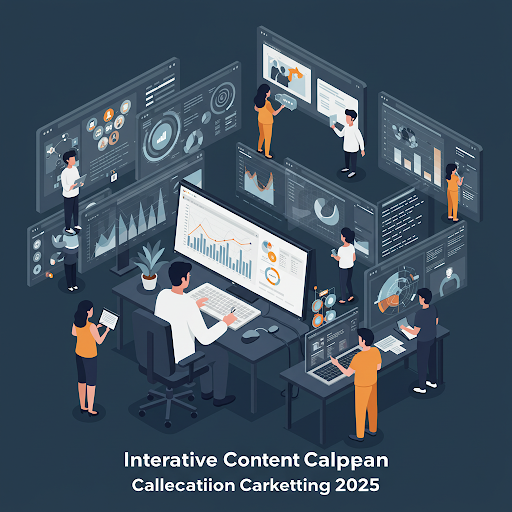
Content marketing has undergone a radical metamorphosis, and in 2025, the interactivity It is not just a trend, but the beating heart of any digital strategy that aspires to success. Today’s audience is not content to be a passive recipient of information; demands experiences that actively involve her, that awaken her curiosity and that adapt to her individual needs. In this environment, interactive content marketing emerges as the essential tool to build genuine connections, foster loyalty and generate tangible results.
This article delves into the Key Trends Defining Interactive Content Marketing in 2025, exploring how brands can make the most of user engagement to stand out in an increasingly competitive and demanding digital market.
Key Interactive Content Marketing Trends in 2025: A Detailed Look

- Hyper-AI-Driven Personalization: The Content That Thinks About You: Artificial Intelligence (AI) has transcended basic automation to become the Architect of personalized experiences at scale. In 2025, AI will make it possible to create interactive content that It anticipates the user’s needs, dynamically adapts to their behavior and offers tailored responses and solutions.
- Intelligent Chatbots 3.0: Chatbots are no longer simple FAQ assistants. In 2025, the chatbots powered by advanced conversational AI They maintain fluid and natural dialogues, understand the context and intent of the user, and offer product recommendations, personalized technical support and guided shopping experiences. Imagine a chatbot that, upon detecting that a user shows interest in a specific product, offers them a interactive virtual tour of it, answering your questions in real time and adjusting the presentation according to your reactions.
- Predictive Content Recommendations: The AI analyzes the Browsing history, previous interactions and demographics of the user to offer Ultra-relevant interactive content recommendations. If a user has participated in a quiz on “sustainable fashion trends”, the AI will recommend interactive calculators to measure your carbon footprint in fashion, interactive infographics about eco-friendly brands and interactive webinars with sustainability experts. The key is to anticipate user interest and offer the perfect interactive content at the right time.
- Adaptive Dynamic Content: Interactive content in 2025 is chameleon. Fits in real time to user interactions. A interactive ebook You can modify your narrative and examples based on the reader’s responses to built-in questions. A interactive video can offer different endings or narrative paths based on the viewer’s choices. This adaptability creates a unique and personal experience for each user, increasing engagement and memorability.
- Intelligent Chatbots 3.0: Chatbots are no longer simple FAQ assistants. In 2025, the chatbots powered by advanced conversational AI They maintain fluid and natural dialogues, understand the context and intent of the user, and offer product recommendations, personalized technical support and guided shopping experiences. Imagine a chatbot that, upon detecting that a user shows interest in a specific product, offers them a interactive virtual tour of it, answering your questions in real time and adjusting the presentation according to your reactions.
- Immersive Experiences with Augmented Reality (AR) and Virtual Reality (VR): Beyond the Screen: Augmented Reality (AR) and Virtual Reality (VR) have ceased to be technological experiments and have become essential marketing tools. In 2025, these technologies allow break the barriers between the digital and physical world, creating interactive experiences that They captivate the senses and generate deep emotional connections.
- Interactive Virtual Test with AR: You’re welcome try on clothes virtually from the comfort of your home, using your smartphone camera. EITHER visualize how a new piece of furniture would look in your living room before buying it. AR allows brands to offer interactive and personalized “try before you buy” experiences, reducing consumer uncertainty and increasing trust in the brand.
- Immersive Brand Worlds in VR: VR transports users to fully immersive brand worlds. A car brand can create a showroom virtual en RV where users can explore 3D models, interact with interiors, and even perform virtual test drives. A travel brand can offer virtual VR tours to exotic destinations, allowing users to experience the thrill of travel before booking. These experiences generate a lasting emotional impact and strengthen the connection with the brand.
- Interactive Gamification in AR and VR: Gamification merges with AR and VR to create playful and memorable interactive experiences. An AR game can turn product research into a interactive treasure hunt in the real world. A VR experience can immerse users in a brand themed virtual escape room. Interactive gamification increases engagement, encourages virality and allows brands communicate complex messages in an entertaining way.
- Interactive Virtual Test with AR: You’re welcome try on clothes virtually from the comfort of your home, using your smartphone camera. EITHER visualize how a new piece of furniture would look in your living room before buying it. AR allows brands to offer interactive and personalized “try before you buy” experiences, reducing consumer uncertainty and increasing trust in the brand.
- Short Format Interactive Video: Engagement in Visual Pills: He Video remains the king format in 2025, but the User attention is a scarce commodity. He short form interactive video emerges as the perfect solution for Capture attention in seconds and encourage active participation in a world of infinite scroll.
- Surveys and Quizzes Integrated into Short Videos: Platforms like TikTok, Instagram Reels and YouTube Shorts become canvas for interactivity. The brands integrate surveys, quizzes and questions directly in short videos, inviting users to actively participate in the narrative. A fashion video can include a poll “Which trend do you like the most?” or a quiz “What style defines your personality?” This interactivity increases viewing time, encourages social interaction and generates valuable data on audience preferences.
- Branching Narratives: Choose Your Own Video Adventure: Short-form interactive video allows you to create branching narratives where the user choose the course of history. An educational video can present different scenarios and ask the user to choose the best option, showing the consequences of each decision. A brand video can tell a story with multiple endings, depending on the viewer’s choices. This active participation in the narrative generates deep engagement and a personalized experience.
- Buyable Interactive Videos: Short-form interactive video becomes a direct sales channel. The brands integrate interactive purchase buttons directly into the videos, allowing users purchase products with a single click while enjoying the content. A makeup video can include interactive links to each product used in the tutorial. A cooking video may offer the option to purchase the ingredients directly from the video. This seamless integration between content and e-commerce Optimize conversion and shopping experience.
- Surveys and Quizzes Integrated into Short Videos: Platforms like TikTok, Instagram Reels and YouTube Shorts become canvas for interactivity. The brands integrate surveys, quizzes and questions directly in short videos, inviting users to actively participate in the narrative. A fashion video can include a poll “Which trend do you like the most?” or a quiz “What style defines your personality?” This interactivity increases viewing time, encourages social interaction and generates valuable data on audience preferences.
- Omnichannel Conversational Marketing: Fluid Conversations at Every Touch Point: He conversational marketing in 2025 it transcends the limits of a single channel. It’s about building omnichannel conversation ecosystems where the brand interacts with the user in a way consistent and personalized at every touchpoint: web chatbots, instant messaging, social networks, virtual voice assistants, and even in-person interactions.
- Consistent and Personalized Customer Experiences: The key to omnichannel conversational marketing is coherence. Regardless of the channel the user chooses, the brand must offer a fluid, personalized and contextualized conversation experience. If a user starts a conversation with a chatbot on the web and then continues it through WhatsApp, the system must remember the previous context and keep the conversation natural.
- Question Resolution and Proactive Support: Omnichannel conversational marketing becomes a proactive support channel. AI systems can anticipate user needs based on their behavior and offer preventive help and solutions. If a user is browsing a complex product page, a chatbot can offer an interactive video tutorial or live chat session with an expert before the user has to seek help.
- Building Trust Relationships in Real Time: Omnichannel conversational marketing is not limited to the commercial transaction. It is about build long-term relationships of trust with clients. Brands use interactive conversations to know your customers better, understand their needs and offer value beyond the product or service. A chatbot can ask a customer about their interests and offer them Personalized interactive content, such as quizzes, surveys or games, that reinforce your connection with the brand.
- Consistent and Personalized Customer Experiences: The key to omnichannel conversational marketing is coherence. Regardless of the channel the user chooses, the brand must offer a fluid, personalized and contextualized conversation experience. If a user starts a conversation with a chatbot on the web and then continues it through WhatsApp, the system must remember the previous context and keep the conversation natural.
- Interactive Content Generated by AI: Augmented and Democratized Creativity: AI not only personalizes and optimizes interactive content, but also becomes a creation tool itself. In 2025, AI tools allow generate quizzes, surveys, games, interactive ebooks and personalized experiences quickly, efficiently and at scale.
- Automated Creation of Interactive Formats: AI-powered marketing platforms offer smart templates and wizards that allow marketing professionals Create interactive content intuitively and without the need for advanced technical knowledge. By simply entering data and objectives, AI can generate personalized quizzes, dynamic surveys, simple games and interactive ebooks ready to be published and shared.
- Dynamic Adaptation to Trends and Preferences: At AI analysis consumption trends, user interaction data, and the performance of existing interactive content to generate new ideas and formats that resonate with the audience. If the AI detects an increase in interest in personality quizzes in a specific niche, it can automatically generate a series of interactive personality quizzes adapted to this target audience.
- Democratization of Interactive Content: Day IA reduces barriers to entry to interactive content marketing. Brands of all sizes, even with limited budgets and teams, can harness the power of interactivity thanks to AI-powered content generation tools. This democratizes access to participatory marketing strategies and allows more brands to connect with their audience in innovative ways.
- Automated Creation of Interactive Formats: AI-powered marketing platforms offer smart templates and wizards that allow marketing professionals Create interactive content intuitively and without the need for advanced technical knowledge. By simply entering data and objectives, AI can generate personalized quizzes, dynamic surveys, simple games and interactive ebooks ready to be published and shared.
Advanced Strategies for Successful Interactive Content Marketing in 2025

To stand out in the competitive interactive content marketing landscape in 2025, it is essential to go beyond basic trends and adopt advanced strategies that maximize impact and ROI.
- Interactive and Diversified SEO: Beyond Keywords: SEO in 2025 requires a holistic and diversified vision. It’s not enough to optimize for traditional keywords. It is crucial to consider:
- Visual Search Optimization: With the rise of platforms like Pinterest and Google visual search, optimize visual interactive content (interactive infographics, interactive videos, AR/VR experiences) for visual search is essential. Use Descriptive alt tags, relevant metadata, and optimized image and video formats.
- SEO in Online Communities: Forums like Reddit, niche communities, and question and answer platforms become valuable organic traffic sources. Create interactive content that answers the questions and needs of these communities, participate in relevant conversations and Share your interactive content in a natural and valuable way.
- Response Marketing: Directly Answer Questions: Users search direct and concise answers. Create interactive content that answers specific questions what your audience is doing on search engines and social networks. Use social listening tools to identify these questions and create quizzes, calculators, chatbots and interactive videos that offer clear and useful answers [1].
- Visual Search Optimization: With the rise of platforms like Pinterest and Google visual search, optimize visual interactive content (interactive infographics, interactive videos, AR/VR experiences) for visual search is essential. Use Descriptive alt tags, relevant metadata, and optimized image and video formats.
- AI-Driven Workflows: Efficiency and Creativity in Synergy: AI is not only a content creation and personalization tool, but also a catalyst for efficiency in marketing teams. Implement AI-powered workflows to:
- Automation of Repetitive Tasks: Use AI to Automate tasks like keyword research, social media post scheduling, data analysis, and reporting. This frees up valuable time for marketing professionals to focus on strategic and creative tasks [1].
- Generation of Interactive Content Ideas: AI tools can analyze trends, identify relevant topics and generate innovative ideas for interactive content. Use AI as source of inspiration and brainstorming to create interactive formats that really connect with your audience [1].
- Continuous Performance Optimization: AI can analyze the performance of interactive content in real time, identify patterns and offer recommendations to optimize strategies. Use AI to test different formats, messages and channels and for adjust your interactive marketing campaigns on an ongoing basis.
- Automation of Repetitive Tasks: Use AI to Automate tasks like keyword research, social media post scheduling, data analysis, and reporting. This frees up valuable time for marketing professionals to focus on strategic and creative tasks [1].
- Customer Experience (CX) as an Absolute Priority: Creating Fans, Not Just Customers: In 2025, the Customer experience is the battleground of marketing. Interactive content must be designed from the user’s perspective, putting your needs and desires at the center of the strategy.
- Value-Focused Interactive Content: Each piece of interactive content must offer real value to the user. Whether it’s entertainment, useful information, solutions to problems or memorable experiences, the main objective should be improve the user’s life.
- Emotional Personalization: Personalization in 2025 goes beyond demographics. It is about connect with the user’s emotions. Create interactive experiences that awaken positive emotions, such as joy, curiosity, surprise or empathy. Use emotional narratives, striking visual elements and a close and human tone of voice.
- Construction of Interactive Communities: Interactive content can be a powerful tool to build online communities. Create interactive forums, discussion groups, virtual events and collaborative experiences that allow users connect with each other and with the brand. Promotes the participation, conversation and a sense of belonging [2].
- Value-Focused Interactive Content: Each piece of interactive content must offer real value to the user. Whether it’s entertainment, useful information, solutions to problems or memorable experiences, the main objective should be improve the user’s life.
- Agile and Data-Driven Marketing: Adaptability and Continuous Optimization: Digital marketing in 2025 is dynamic and volatile. Interactive content marketing should be agile and adaptable, capable of respond quickly to changes in the market and user preferences.
- Real-Time Analytics: Measure, Learn, Optimize: Implement real-time analytics systems to monitor the performance of interactive content continuously. Analyze key metrics such as engagement, conversion rate, interaction time and user feedback. Use this data to identify areas for improvement, optimize existing content and make informed decisions about future strategies [2].
- Agile Methodologies: Iteration and Continuous Improvement: Adopt agile methodologies for the creation and management of interactive content. Work in short cycles of planning, creating, launching and analyzing. Continuously iterate and improve content based on data and user feedback. The adaptability and flexibility are keys to success in a constantly changing digital environment [2].
- Real-Time Analytics: Measure, Learn, Optimize: Implement real-time analytics systems to monitor the performance of interactive content continuously. Analyze key metrics such as engagement, conversion rate, interaction time and user feedback. Use this data to identify areas for improvement, optimize existing content and make informed decisions about future strategies [2].
Make your brand tell a unique story Download here
Challenges and Considerations of Interactive Content Marketing in 2025

While interactive content marketing offers enormous potential, it also presents important challenges and considerations What brands should take into account:
- Data Privacy and Transparency: AI-powered hyper-personalization requires collect and analyze user data. It is essential be transparent about how this data is used and Ensure compliance with privacy regulations (like the GDPR). Users must have control over your data and the possibility of opt out of personalization.
- Interactive Content Overload and User Fatigue: As more brands embrace interactive content, there is a risk of saturate the user. It is crucial avoid overexposure and create interactive content that is truly valuable, relevant and entertaining. The key is not the quantity, but the quality and usefulness.
- Need for Specialized Skills: Creating advanced interactive content, especially AR/VR experiences and omnichannel conversational marketing systems, requires specialized skills in areas such as programming, UX/UI design, artificial intelligence and data analytics. Brands must invest in the training of your teams or collaborate with specialized agencies to ensure the quality and success of your interactive marketing strategies.
Conclusion: Interactivity as a Driver of the Future of Marketing
Interactive content marketing in 2025 is not just a passing trend, but a fundamental transformation in the way brands connect with their audience. In a world where attention is fleeting and competition is fierce, interactivity emerges as the engine that drives engagement, loyalty and results.
The brands that embrace interactivity, personalization and new technologies will be better positioned to stand out in the digital landscape of the future, build lasting relationships with clients and generate a positive impact on their businesses. The future of marketing is participatory, personalized and deeply human. And interactive content is the key that opens the door to this future.
Creating content that really engages is essential in today’s marketing, where interactivity and personalization are key. From immersive experiences to SEO optimization and real-time analytics, every element counts to capture your audience’s attention. GGyess offers you the tools to manage this complexity, allowing you to centralize communication with your customers, understand their needs through data and create more effective interactive content campaigns. Simplify your marketing strategy and boost engagement with our platform. Find out how GGyess can help you create deeper, longer-lasting connections.
References
[1] Branch Agency [2] The Box Company