Introduction: Sharing links on Facebook may seem simple, but there is actually an art to doing it effectively. In an environment where attention is fiercely competed for, it’s crucial to know how to share your links so they have the maximum impact. Whether you’re promoting a blog article, a product, or an event, having the right strategy can make the difference between a link that goes unnoticed and one that drives significant traffic to your site. In this blog, I’ll explain how to optimize your Facebook posts with links to increase engagement and attract more users.
1. The Importance of Context
Don’t Share Links Lightly: Every time you share a link on Facebook, make sure to provide context. Posting a link without an explanation or engaging copy feels empty and is unlikely to capture your audience’s interest.
Add an Attractive Copy: Use text that accompanies the link to spark curiosity or solve a problem for your audience. You can ask questions, use impactful statistics, or highlight the benefits of clicking the link. For example, if you’re sharing an article about productivity, you might start with, “Did you know that 80% of people feel unproductive every week? Discover how to change that with these simple tips.”
2. Optimize the Link Preview
Take Care of the Image and Title: Facebook automatically generates a link preview that includes an image, title, and brief description. Make sure these elements are appealing and relevant. If the automatic preview doesn’t look good, you can edit it to make it more engaging.
Choose Attention-Grabbing Images: Images are the first thing users notice when scrolling through their feed. Use high-quality, visually attractive images that complement the content of your link. If your page is properly set up, you can use optimized images for social media sharing.
3. Don’t Underestimate the Power of Calls to Action (CTA)
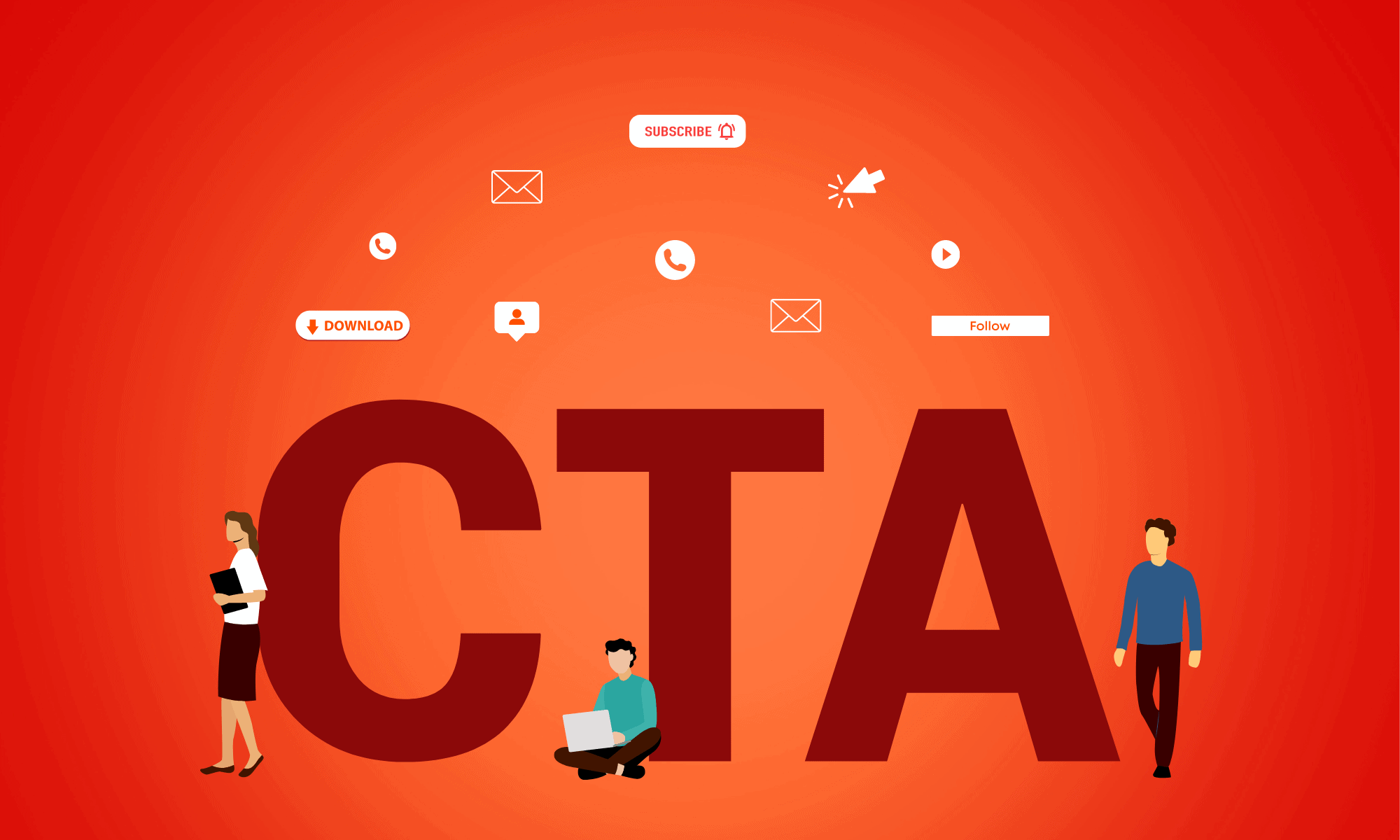
Guide Your Audience: A well-thought-out call to action can significantly increase the number of clicks on your link. Phrases like “Click to learn more,” “Read the full article here,” or “Don’t miss this exclusive content” are examples of CTAs that motivate action.
Align the CTA with Your Goal: If you’re looking to generate engagement, you could include something like, “Leave your opinion in the comments after reading.” If your goal is to drive website traffic, ensure the CTA encourages users to click.
4. Timing and Frequency of Posting
Post at the Right Time: Not all times are equal on Facebook. Analyze your page’s statistics to see when your audience is most active and schedule your posts for those times. This increases the chances of your link being seen and shared.
Don’t Overwhelm but Be Consistent: Sharing too many links in a short time can tire your audience, but consistency is also important. Find a balance that works for your page, testing different frequencies and times to see what works best.
5. Customize the Link for Greater Credibility
Use Branded URL Shorteners: Tools like Bitly allow you to shorten and customize your links, making them not only look cleaner but also provide valuable insights about performance. A short, clean link can make people more willing to click.
Maintain Transparency: While shortening links is useful, ensure that users know where they are being directed. A link that doesn’t hint at its content may generate distrust and discourage clicks.
6. Use Emojis and Text Formatting to Grab Attention
Emojis to Make It More Dynamic: Emojis can add a visual touch to your posts and help you stand out in the feed. Use emojis that align with your message’s tone and don’t distract from the main intention.
Break Up Text for Better Readability: If your text is long, divide it into paragraphs or use bullet points to make it easier to read. Visually organized text is more likely to be read in its entirety, increasing the chances of users clicking on your link.
7. Strategies to Encourage Engagement
Invite Sharing and Commenting: Ask your audience to share the post if they think it could be helpful for others or leave their opinion in the comments. Posts with a high level of interaction are more likely to be visible in users’ feeds.
Create Anticipation or Mystery: Generating intrigue can be very effective. Using phrases like “This trick changed the way I see things” or “You won’t believe what I discovered” can encourage users to click to learn more.

8. Stay Active and Respond to Your Audience
Conversation is Key: It’s not enough to post a link and forget about it. Interact with people who comment or react to your post. Thank them for their comments, answer questions, and participate in the conversation. This not only increases engagement but also strengthens your relationship with your audience.
Learn and Adapt Your Strategy: Posts that perform well can give you insights into what your audience likes. Review the metrics and adjust your strategies based on what generates the most interest.
9. Facebook Groups as a Traffic Source
Share in Relevant Groups: Facebook groups can be a goldmine for sharing your links if done authentically and not as spam. Make sure the content is relevant to the group and follow each community’s rules.
Be Active, Not Just Promotional: Before sharing a link, take time to engage in the group, comment on other posts, and provide value. This will give you credibility and make your content better received when you do share.

10. Use Tools to Make Content Management Easier
Organize and Schedule Efficiently: Managing multiple posts and links can be challenging, but the right tool makes it much simpler. GGyess, for instance, lets you schedule and organize your links so you always post at the right time, stress-free. You can also analyze how each post is performing and adjust your strategy in real-time.
Continuous Analysis and Improvement: Monitor the performance of your posts to know what type of content resonates most with your audience. This will allow you to optimize your efforts and improve the effectiveness of your shared links.
Conclusion: Sharing links on Facebook effectively requires more than just copying and pasting a URL. It’s about building a strategy that captures attention, generates curiosity, and motivates users to engage with your content. From creating attractive copy to optimizing the link preview and using tools like GGyess to manage and measure your posts, every detail matters in maximizing your link’s impact. So, next time you share a link, think about how you can make it more strategic and appealing. The results might surprise you!
You might be interested in Understanding the Facebook Pixel: A Powerful Tool for Digital Marketing Optimization