Introduction
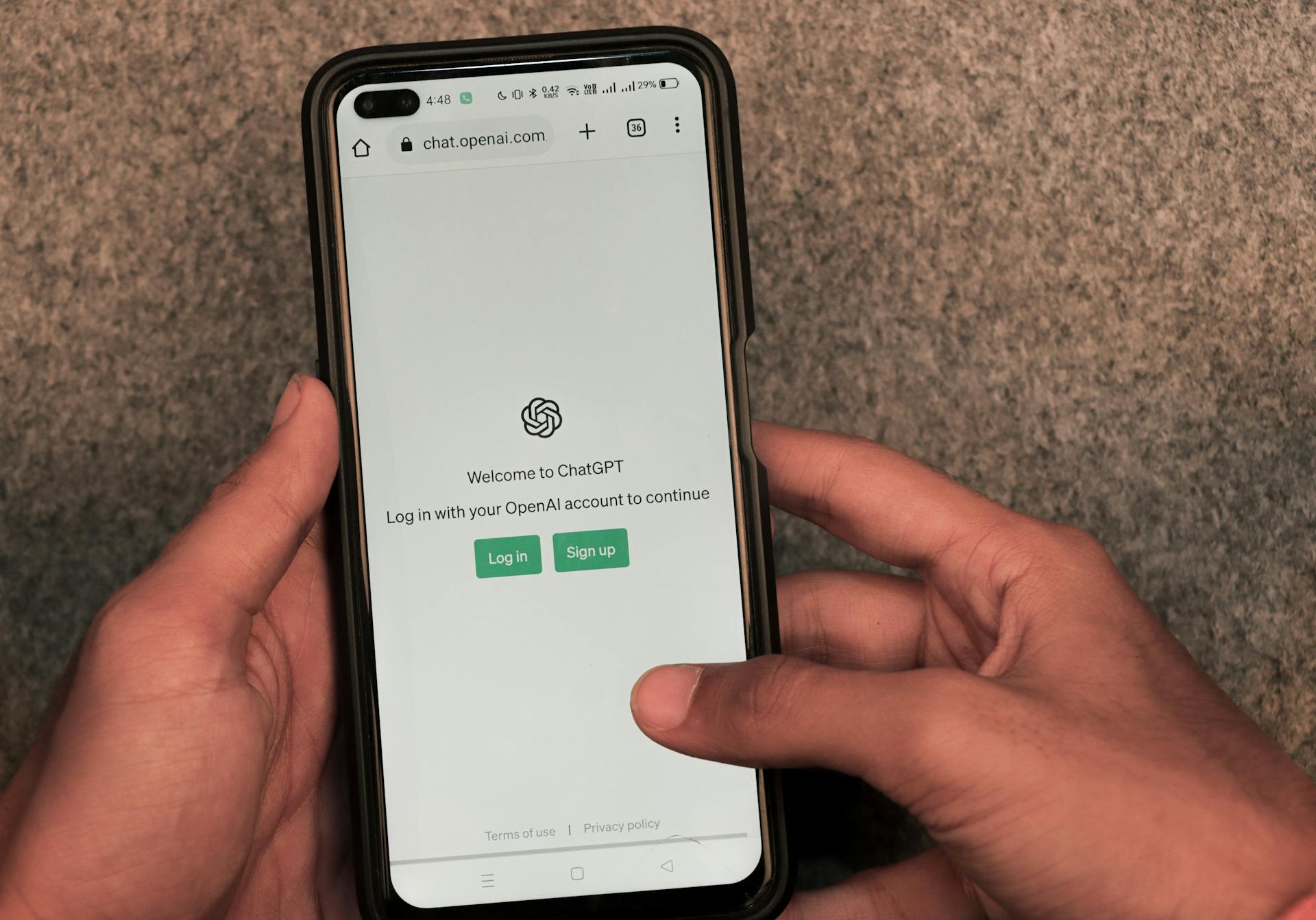
Artificial intelligence (AI) is revolutionizing how businesses operate, and ChatGPT is at the forefront of this transformation. As a conversational AI tool, ChatGPT offers businesses a unique way to engage with customers, optimize workflows, and, most importantly, increase sales. Whether you’re a small business owner or part of a large enterprise, understanding how to leverage ChatGPT effectively can make a significant difference in your bottom line.
In this section, we’ll explore how ChatGPT works, why it’s a game-changer for sales, and the initial steps to integrate it into your strategy.

What Is ChatGPT?
ChatGPT is an AI-powered language model designed to simulate human-like conversations. Unlike traditional chatbots, it can understand context, provide detailed responses, and adapt to various tones and styles, making it an invaluable tool for customer interaction.
Key Features of ChatGPT:
- Natural Language Processing (NLP): Enables seamless, human-like communication.
- Customizable Responses: Allows businesses to tailor responses to align with their brand voice.
- 24/7 Availability: Offers constant support, improving customer satisfaction and capturing sales leads at all hours.
- Integration Versatility: Works across platforms, including websites, social media, and messaging apps.
Example: A clothing retailer can use ChatGPT to answer questions about product sizing, recommend outfits, and guide customers through the checkout process, boosting conversions.

Why Use ChatGPT for Sales?
Integrating ChatGPT into your sales strategy provides a competitive edge. Here are some compelling reasons to adopt this technology:
- Improved Customer Support:
- Answer FAQs instantly and accurately, reducing response time and improving user experience.
- Handle multiple inquiries simultaneously without compromising quality.
- Personalized Shopping Experiences:
- Use ChatGPT to recommend products based on customer preferences and past purchases.
- Engage customers with tailored promotions or discounts.
- Cost Efficiency:
- Automate repetitive tasks like order tracking, appointment scheduling, or lead qualification, saving time and resources.
- Lead Generation:
- Capture potential customer information during conversations and funnel them into your CRM system for follow-up.

Setting Up ChatGPT for Your Business
Before implementing ChatGPT, it’s essential to identify how it fits into your business model. Here’s a step-by-step guide:
- Define Your Objectives:
- Are you looking to enhance customer support, drive more leads, or increase direct sales?
- Example: A software company might use ChatGPT to answer technical questions and upsell premium plans.
- Choose Integration Points:
- Decide where ChatGPT will operate—on your website, within your app, or on platforms like WhatsApp and Instagram.
- Example: A restaurant could use ChatGPT on its website for reservations and menu inquiries.
- Train the AI:
- Customize ChatGPT with your product or service information, brand guidelines, and FAQs.
- Regular updates ensure the AI stays accurate and aligned with your business goals.

Advanced Strategies to Boost Sales Using ChatGPT
Now that we’ve covered the basics of integrating ChatGPT into your business, let’s explore advanced strategies to maximize its potential. From creating highly personalized customer interactions to streamlining internal processes, these techniques can elevate your sales game
1. Personalizing the Customer Experience
One of ChatGPT’s standout features is its ability to create personalized interactions. By using customer data, it can mimic the tone and style of a human sales representative, providing tailored recommendations and solutions.
How to Personalize Interactions:
- Analyze Purchase History: Use customer data to suggest complementary products or services.
- Example: A beauty brand can recommend skincare items based on previous purchases.
- Leverage Behavioral Data: ChatGPT can analyze browsing habits and offer relevant promotions.
- Example: If a customer repeatedly visits a product page, the AI can send a message like, “We noticed you’re interested in [product]. Here’s a 10% discount to help you decide!”
- Dynamic FAQs: Personalize responses to common queries by incorporating the customer’s name and preferences.
Pro Tip: Integrate ChatGPT with your CRM to make its suggestions more accurate and impactful.

2. Automating the Sales Funnel
ChatGPT excels at guiding customers through every stage of the sales funnel. From initial engagement to post-purchase support, it ensures no opportunity is missed.
Key Stages and ChatGPT’s Role:
- Top of Funnel (TOFU): Engage potential customers by answering general inquiries and providing valuable resources.
- Example: A financial services company can use ChatGPT to explain investment options to new users.
- Middle of Funnel (MOFU): Nurture leads by offering detailed product explanations, demos, or tutorials.
- Example: A SaaS company might use ChatGPT to schedule live product demos.
- Bottom of Funnel (BOFU): Close sales by addressing last-minute objections and facilitating a smooth checkout process.
- Example: An e-commerce store can have ChatGPT remind customers about items left in their cart and provide an incentive to complete the purchase.
Automation Example:
A clothing retailer used ChatGPT to follow up with abandoned cart reminders, resulting in a 15% increase in completed purchases.
3. Enhancing Post-Sale Engagement
ChatGPT doesn’t stop working once a sale is made. Its capabilities extend to nurturing customer relationships and driving repeat business.
Post-Sale Opportunities:
- Follow-Up Messages: Send thank-you notes and feedback requests after purchases.
- Upselling and Cross-Selling: Recommend products based on recent purchases.
- Example: A tech store might suggest accessories for a recently purchased laptop.
- Loyalty Program Management: Use ChatGPT to inform customers about loyalty points, rewards, or exclusive offers.
Pro Tip: Keep interactions conversational and helpful to ensure customers feel valued.
4. Integrating GGyess with ChatGPT for Sales Growth
To take your strategy to the next level, combine ChatGPT’s conversational AI with GGyess’s powerful social media and analytics tools. Here’s how GGyess can enhance your sales efforts:
- Content Promotion: Use GGyess to schedule posts promoting ChatGPT’s capabilities, such as live demos or customer testimonials.
- Performance Insights: Track the success of ChatGPT interactions and refine strategies based on real-time data.
- Omni-Channel Coordination: Seamlessly manage campaigns across multiple platforms, ensuring consistent messaging.

Measuring Success and Long-Term Benefits of ChatGPT in Sales
After implementing ChatGPT into your sales strategy, it’s crucial to measure its effectiveness and explore the long-term advantages it offers. In this final section, we’ll focus on creating measurable strategies, analyzing outcomes, and how ChatGPT can shape the future of sales.
Measuring the Success of ChatGPT-Driven Sales Strategies
Success isn’t just about integrating ChatGPT; it’s about knowing how to evaluate its impact. Proper metrics allow you to refine your approach and maximize results.
Key Metrics to Track:
- Conversion Rates:
- Measure the percentage of interactions that lead to purchases or actionable outcomes.
- Example: An online store might track how many abandoned cart reminders result in completed checkouts.
- Customer Satisfaction Scores:
- Use post-interaction surveys to gauge how helpful ChatGPT was in resolving inquiries.
- Example: “How satisfied were you with this interaction? Rate from 1-5.”
- Response Times:
- Track how quickly ChatGPT responds to customer inquiries compared to human agents.
- Shorter response times directly improve customer experience.
- Engagement Rates:
- Analyze how many users interact with ChatGPT and whether they proceed further in the sales funnel.
Tools for Measuring Impact:
- CRM Integrations: Use tools like Salesforce or HubSpot to track how ChatGPT influences the customer journey.
- GGyess Analytics: Combine ChatGPT metrics with GGyess’s data to gain a comprehensive view of your marketing and sales performance.
Long-Term Benefits of ChatGPT in Sales
The integration of ChatGPT isn’t just a short-term tactic; it’s a long-term investment that evolves alongside your business. Here are some of the enduring advantages:
1. Scalability:
As your business grows, ChatGPT can handle increased interaction volumes without additional resources. Whether you’re scaling up during peak seasons or expanding into new markets, ChatGPT ensures consistent customer engagement.
2. Improved Customer Loyalty:
Consistently providing quick, accurate, and personalized support builds trust. Loyal customers are more likely to return and recommend your brand to others.
3. Cost Efficiency:
AI-driven interactions reduce the need for large customer support teams, freeing resources for other growth initiatives.
4. Continuous Learning:
ChatGPT improves over time with regular updates and training. The more interactions it handles, the better it understands your audience’s needs.
The Future of Sales with ChatGPT
ChatGPT is a stepping stone toward a more automated and intelligent sales process. As AI technology advances, its applications in sales will expand further.
Emerging Trends:
- Voice-Activated AI Sales Assistants:
- ChatGPT could evolve into voice interfaces, allowing customers to engage via smart devices.
- Hyper-Personalized Marketing:
- By analyzing deeper behavioral patterns, ChatGPT will deliver even more targeted recommendations.
- AI-Driven Predictive Sales:
- Predictive algorithms combined with ChatGPT will help businesses anticipate customer needs and offer solutions proactively.
Preparing for the Future:
- Stay updated on AI advancements to integrate new features as they emerge.
- Regularly audit your ChatGPT interactions to ensure they remain aligned with your brand’s evolving goals.
Best Practices for Long-Term Integration
- Continuous Training:
Regularly update ChatGPT with new product information, FAQs, and customer feedback to keep responses relevant and helpful. - Blend Human and AI Support:
While ChatGPT is powerful, some inquiries require a human touch. Ensure seamless escalation when needed. - Encourage Feedback:
Always ask users for feedback to improve ChatGPT’s performance. Customers appreciate knowing their input matters.

Conclusion
ChatGPT is not just a tool—it’s a transformative solution that can redefine your sales strategy. By automating repetitive tasks, enhancing personalization, and scaling your operations efficiently, it positions your business for sustainable growth. When combined with platforms like GGyess, ChatGPT’s potential multiplies, offering a comprehensive approach to driving sales and engagement.
Investing in ChatGPT today prepares your business for the future of AI-driven commerce. Start leveraging its capabilities now to transform your sales processes and build lasting customer relationships. The question is no longer whether you should adopt ChatGPT—it’s how soon you’ll start reaping the benefits.