Let’s take a step back in time. Picture life in the 80s, 90s, and even the early 2000s—before Google Maps and TikTok existed. Back then, if you wanted to find a place, you’d grab a paper map or ask someone for directions on the street. Every trip felt like an adventure because getting lost was part of the experience. There was no GPS voice guiding you—just handwritten notes, landmarks, and intuition.
In the 80s, businesses thrived on physical foot traffic, relying heavily on word of mouth, flyers, and maybe an ad in the Yellow Pages. By the 90s and early 2000s, the internet began to make its mark, but without the social media boom, promotion was still mostly face-to-face or through traditional media. Going viral meant being featured on the local news.
Fast forward to today, where everything is about speed, visibility, and engagement. The leap from paper maps to Google Maps revolutionized navigation, while TikTok has transformed marketing. Though these tools seem worlds apart, they are both part of a single narrative: adapting to technology to thrive. So how can businesses—micro, medium, or established—use the evolution from Google Maps to TikTok to their advantage?
Google Maps: Navigating the Digital Landscape
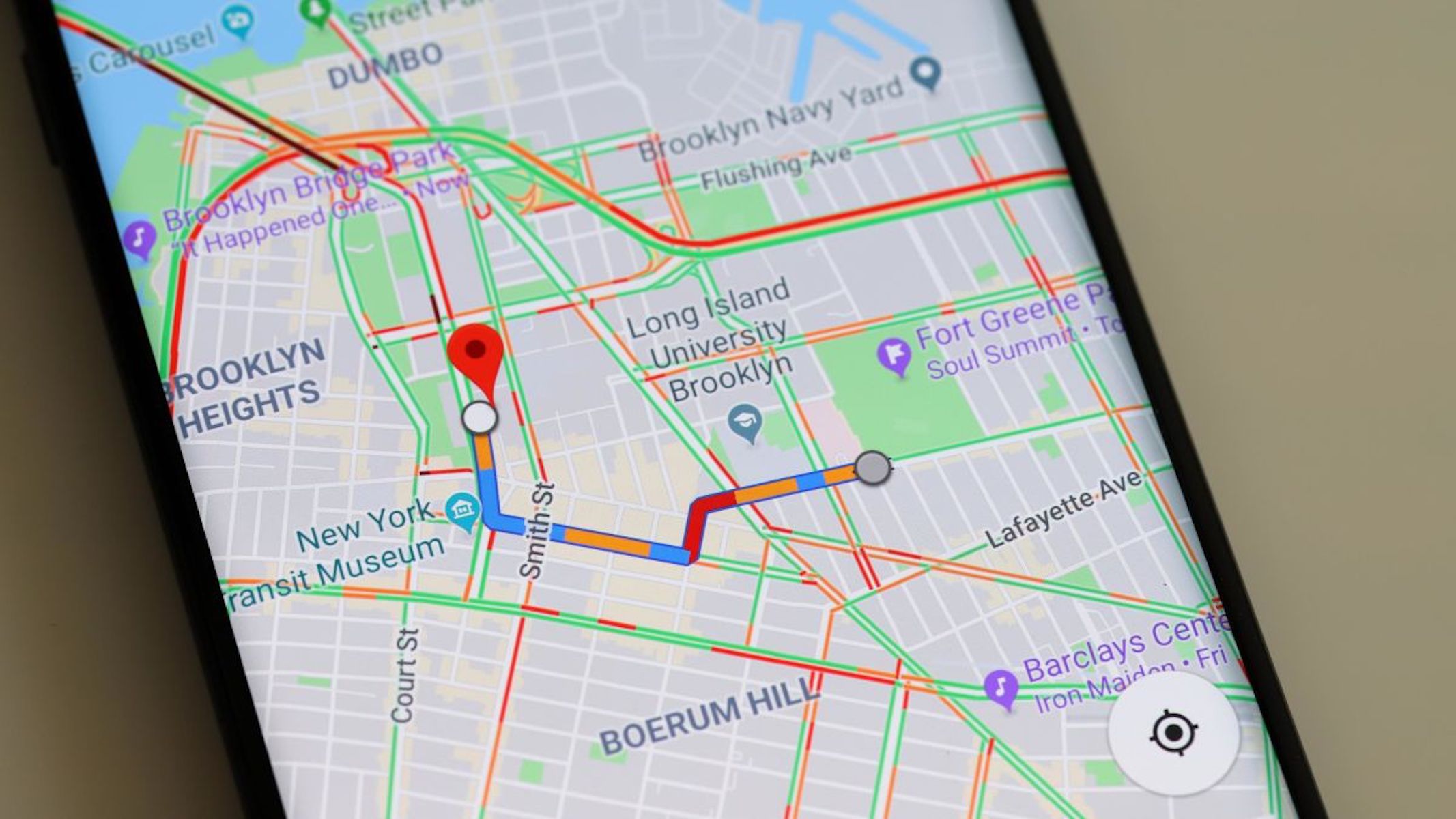
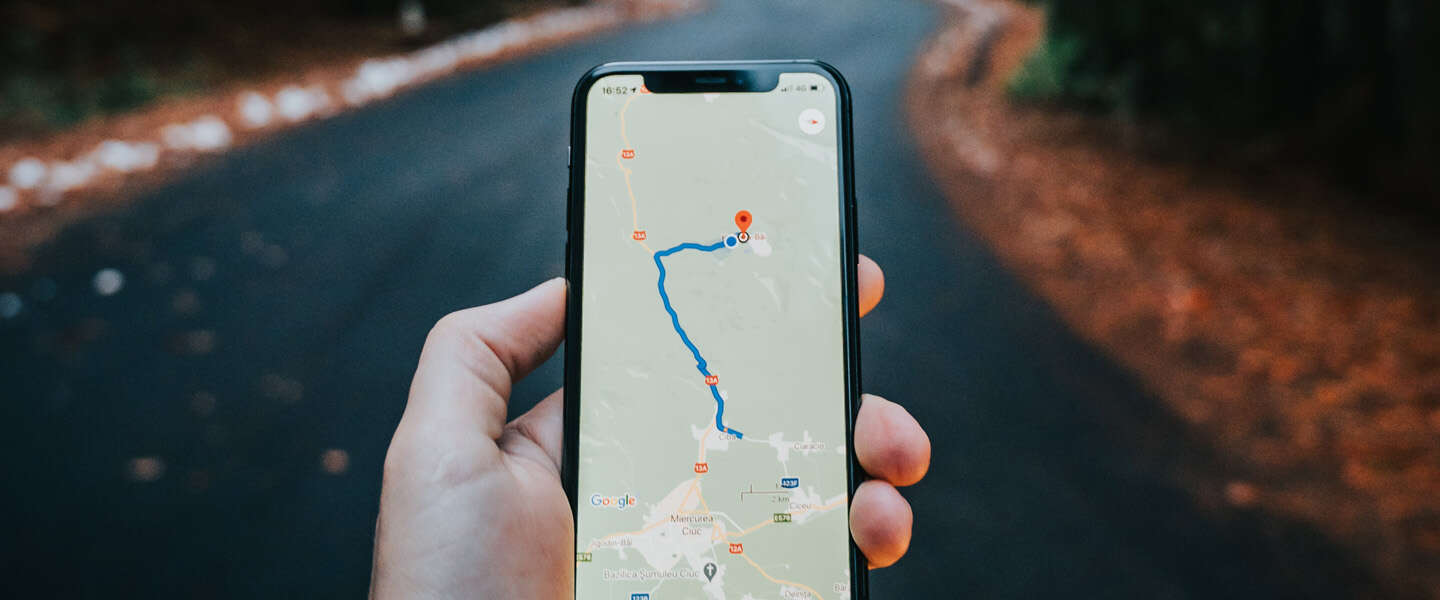
Before Google Maps, businesses depended on customers physically finding them. Now, Google Maps is more than just a navigational tool; it’s a powerful marketing platform. Whether you’re running a small café, a neighborhood retail shop, or a multinational corporation, Google Maps can be a game-changer for visibility and foot traffic. Imagine owning a bakery that just opened in your local area. Without a Google Maps listing, it’s like trying to open a business in the 80s without a phone number—nearly impossible to reach potential customers.
As Eric Schmidt mentions in his book How Google Works, one of the key transformations for businesses was understanding the shift from physical spaces to digital spaces. For businesses today, mastering their Google My Business profile is akin to having prime real estate in the digital world. Without it, you might as well be invisible.
Here’s how businesses can leverage Google Maps in 7 steps:
- Optimize your Google My Business profile. Ensure that all information, including address, hours, phone number, and website, is up to date.
- Use engaging photos and videos. People make decisions based on what they see. High-quality images and short videos can be crucial.
- Encourage customer reviews. Reviews build trust. Encourage your customers to leave positive feedback.
- Verify your location. Ensure your address is accurate and correctly geolocated on the map.
- Stay active. Post updates, promotions, and events regularly to keep your business relevant.
- Utilize Google Maps metrics. Analyze how many people view your profile and interact with it.
- Respond to reviews. Whether positive or negative, responding shows customers you value their feedback.
TikTok: Viralizing Your Message and Engaging Your Audience
:max_bytes(150000):strip_icc()/GettyImages-1227952189-ef89e5ba81984b63a33c84ce2bf6de78.jpg)
If Google Maps helps customers find your business, TikTok helps your brand go viral. This platform has redefined how businesses connect with their audiences. Instead of relying on expensive traditional ad campaigns, TikTok allows businesses—small and large alike—to reach millions with just a 15-second video. For micro and medium businesses, TikTok offers a level playing field to compete with large brands.
As Gary Vaynerchuk discusses in his book Crushing It!, social media platforms like TikTok provide businesses with the tools to build authentic, loyal audiences without the need for massive budgets. The key is to tap into creativity and authenticity.
Here’s how to use TikTok effectively in 7 steps:
- Understand your audience. TikTok content needs to be fresh, quick, and authentic. Research the type of videos your target audience enjoys.
- Create short, entertaining content. Leverage viral challenges, trends, or popular sounds to get your brand in the conversation.
- Show your brand’s personality. TikTok users prefer authentic content over traditional advertising. Humanize your brand by showing behind-the-scenes or real stories.
- Collaborate with influencers. Micro-influencers with smaller but loyal audiences can have a significant impact on your brand’s reach.
- Use viral hashtags. Engaging with trends or creating your own hashtag can greatly enhance your visibility.
- Test and measure performance. Don’t just post—analyze what type of content drives more engagement and adjust accordingly.
- Invest in TikTok ads. While organic content is powerful, paid TikTok ads can help take your brand’s visibility to the next level.
Google Maps and TikTok Together: Crafting a Holistic Strategy for Your Business
Now, how do Google Maps and TikTok work together to boost your business? While they serve different functions, combining them creates a powerful, omnichannel marketing strategy that can benefit businesses of all sizes. For a local restaurant, for instance, Google Maps can help attract foot traffic, while TikTok can build emotional connections with your audience through creative content.
Small businesses can showcase their unique personality and story on TikTok while guiding customers to their location through Google Maps. Medium-sized companies can blend these platforms by using TikTok to launch campaigns or promote products and then directing their audience to Google Maps to locate stores or events. For large, established brands, the integration of TikTok and Google Maps ensures a strong local presence while also maintaining global appeal.
Imagine a fitness studio that has a high-quality Google Maps listing. They can use TikTok to post workout tips, challenges, or user-generated content, encouraging viewers to book a class directly through their Google My Business listing. A medium-sized eCommerce company could host TikTok contests, offering discounts for in-store pickups, driving customers both to their digital and physical locations.
To fully benefit from the evolving digital landscape, businesses need to recognize that Google Maps and TikTok don’t just work in isolation—they are both essential tools that, when combined, can enhance visibility, build a loyal customer base, and create engagement that converts into action.
Looking ahead to the future, businesses must also adapt to changes in SEO to stay competitive. As you think about integrating tools like Google Maps and TikTok, don’t forget the importance of search engine optimization. Staying updated on SEO strategies, such as those discussed in our guide on SEO 2025: Effective Tips for the Future, will help you rank higher in searches and ensure that your digital efforts pay off in the long run.
As companies grow more tech-savvy, these platforms will continue evolving. Businesses that adapt their strategies to not only accommodate, but thrive, in this digital evolution will be the ones that stand out. The key is being agile enough to shift between platforms like Google Maps for localized engagement and TikTok for global viral reach, always with an eye on optimizing for search engines.
Investing in your digital presence isn’t just about existing in these spaces—it’s about dominating them. Whether it’s through TikTok’s high-engagement community or Google Maps’ powerful search-driven visibility, businesses can unlock enormous potential by leveraging these tools strategically.
Conclusion
From the days of paper maps to the rise of Google Maps, and from the TV commercials of the past to TikTok’s viral trends, the way businesses connect with audiences has fundamentally changed. For micro, medium, and established businesses alike, tools like Google Maps and TikTok offer unprecedented opportunities to grow, engage, and convert customers.
Understanding how these tools complement each other is essential for a well-rounded marketing strategy. If you’re looking for ways to future-proof your marketing efforts, combining Google Maps’ navigational capabilities with TikTok’s viral power is a winning formula. And don’t forget to stay ahead of the curve with SEO by reading our guide on SEO 2025: Effective Tips for the Future.
The future belongs to businesses that adapt, integrate, and embrace both local and global platforms. Will your business be one of them?
In 2026, discovery often starts on a FYP but ends on a map. Use GGyess SocialSuite to schedule your high-energy TikTok content while simultaneously managing the location-based updates and “Google Business” posts that guide customers straight to your door. Connect your platforms at GGyess.com