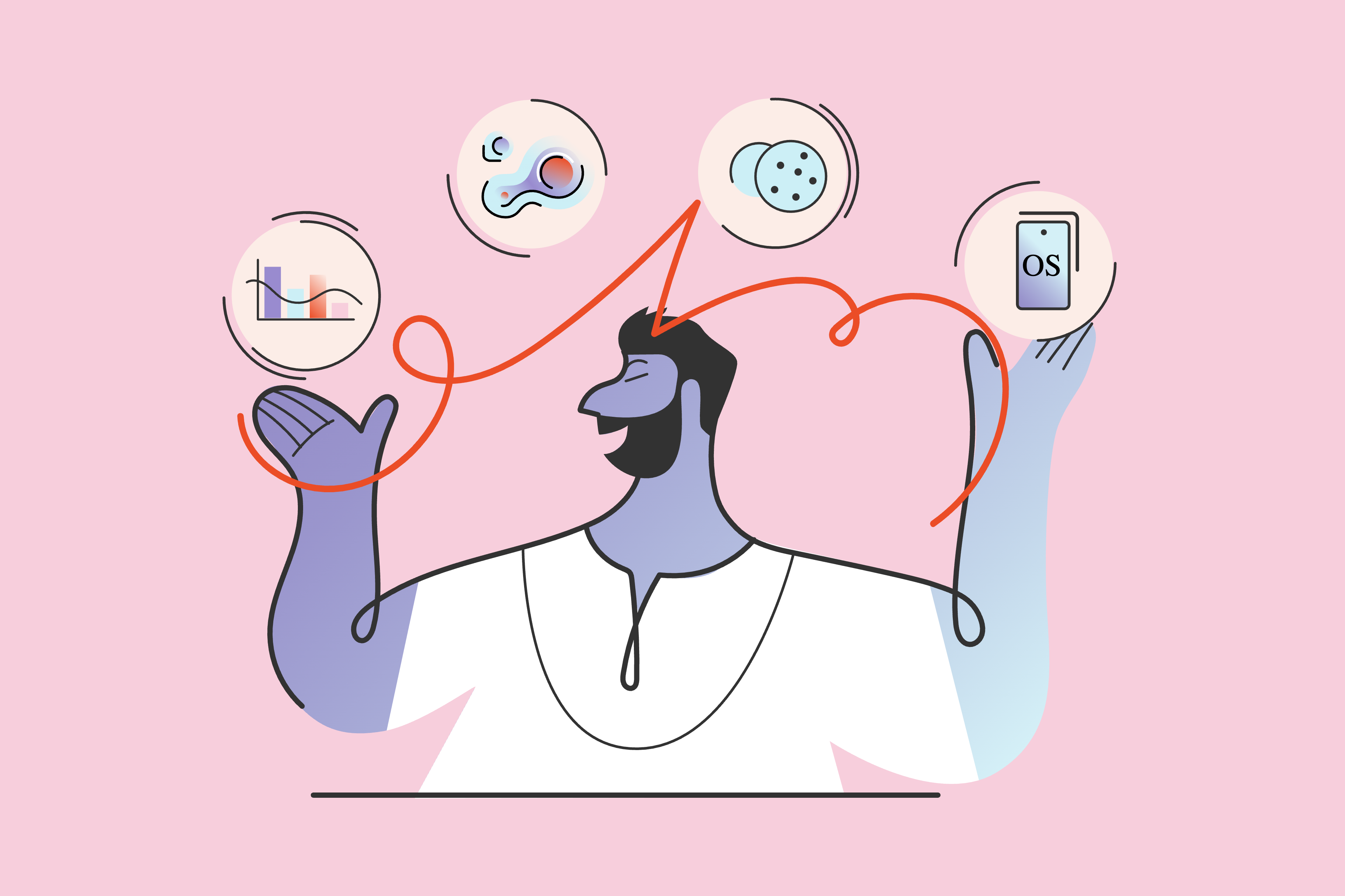
User-centered design (UCD) has been the preferred approach for many years. This method has guided designers and companies to create products that meet the needs of their users. But while UCD is vital, it is not enough on its own. Today, design must go further to create lasting impact on people’s lives and in the marketplace.
This article explores why UCD remains fundamental but needs to be complemented with strategies that enhance its value. Beyond understanding the user, there are other key factors that cannot be overlooked: anticipating the future, emotional connections, and a holistic approach that considers the environment. It’s time to go beyond!
1. Designing for the Ecosystem, Not Just the User
UCD is based on creating solutions for a specific user. However, products and services don’t exist in isolation; they are immersed in a broader ecosystem of technologies, communities, and the overall environment. For design to be truly relevant, it must consider how it affects other actors within this ecosystem. A design that impacts not only the user but also the community and environment creates greater long-term value.
For example, instead of creating disposable products that only temporarily benefit the user, we must seek solutions that are sustainable and contribute positively to the environment. This involves designing with a holistic vision, where the product interacts harmoniously with people, technology, and the planet. The true challenge is not just meeting individual needs but creating something that endures and improves life as a whole.
2. Anticipating the Future: Design Should Be Visionary, Not Just Reactive
User-centered design, as we know it, tends to be reactive. It focuses on solving present problems, which is essential, but the design of the future must be proactive. User needs change rapidly, and products that only address current demands risk becoming obsolete. The true power of design lies in its ability to anticipate these needs and create solutions that not only solve today’s problems but also tomorrow’s.
One way to anticipate the future is by integrating emerging technologies such as artificial intelligence or data analytics. These tools allow us to predict behaviors and trends, designing products that adapt to what’s coming. For example, creating a Buyer Persona based on social media data allows you to better understand your users and plan more precise strategies. If you want to learn more about how to do this, I recommend reading this ultimate guide on Buyer Personas based on social media stats. The design of the future should not just solve immediate issues but foresee what’s next.
3. Emotional Design: Connecting Beyond Functionality
A design that truly stands out not only fulfills its function but also creates an emotional connection with the user. Emotional design creates experiences that resonate on a personal level, leaving a deeper mark than mere functionality. People don’t just seek useful products; they seek those that provide emotional satisfaction and make them feel connected to something bigger than themselves.
This emotional connection strengthens the relationship between the user and the brand, fostering long-term loyalty. A good example of this is how certain apps or devices allow us to capture important moments in our lives, like photos or memories, and how these products integrate emotionally into our daily routines. Designing beyond functionality means thinking about how the product can improve the user’s quality of life emotionally, creating experiences that truly matter.
4. Scalability Strategies: Designing for Growth
An effective design should not only meet the user’s current needs but also be prepared to grow and adapt over time. This is where scalability comes into play. As market demands change, a product or service that can scale and evolve with its users becomes an essential tool for success. Scalable design must not only be flexible but also anticipate future technological developments and changes in consumer behavior.
For example, a digital platform that allows for customizable features or easily integrates new functionalities responds better to the demands of a changing market. This type of design prevents obsolescence and ensures that the product remains useful over time. Moreover, scalability not only benefits the user but also allows companies to grow and continuously improve their products without starting from scratch.
5. Responsible Innovation: Balancing Technology and Sustainability
Innovation is a key driver in design, but it should not be an end in itself. With the rapid evolution of technologies, it’s easy to fall into the unchecked use of advanced solutions without considering their implications. The design of the future must strike a balance between technological innovation and sustainability. This means creating products that are not only efficient but also responsible towards the environment and society.
A good example of responsible innovation is the use of sustainable materials or the design of modular products that can be repaired or upgraded instead of discarded. This approach not only satisfies users who are conscious of their environmental impact but also reinforces the idea that good design not only solves present problems but also contributes to a more balanced and sustainable future.
Conclusion: UCD Is Not Enough, It’s Time to Look Beyond
User-centered design is a powerful tool, but in a rapidly changing world, it’s not enough on its own. Designers must look beyond the individual user and consider how their creations impact the entire ecosystem, anticipate future needs, create emotional connections, and foster sustainability. The design of the future doesn’t just solve problems; it creates meaningful and lasting experiences.
The challenge now is to adopt a broader vision of design, one that allows us not only to meet today’s demands but to lead the change toward a more connected, sustainable, and emotionally resonant future. Are you ready to take on this challenge and take the next step?
Design for the entire “Brand Ecosystem.” Don’t let your innovation exist in a vacuum. Use GGyess WorkSuite to coordinate your team’s holistic roadmap, managing everything from sustainable product development to the future-proofing of your services. Build a scalable foundation that grows alongside your community and the planet. Scale your vision at GGyess.com