A bit of history: The origins of Ambush Marketing

Ambush marketing, also known as guerrilla marketing, is a strategic technique that has evolved since the mid-20th century. The term gained popularity in the context of major sporting events like the Olympics and the FIFA World Cup. Brands that couldn’t compete directly with official sponsors began looking for creative ways to associate their name with these events without paying hefty sponsorship fees. The term first gained significant attention during the 1984 Los Angeles Olympics, where several brands “ambushed” the official sponsors through clever tactics.
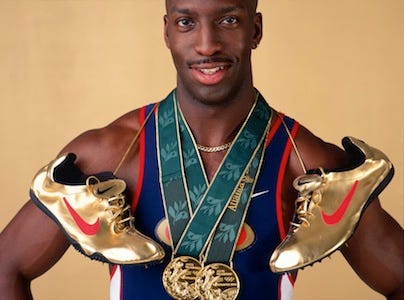
One of the most cited examples of ambush marketing occurred during the 1996 Atlanta Olympics. Even though Nike was not an official sponsor (Coca-Cola and Reebok were), it managed to dominate public conversation through parallel campaigns, including advertisements near the stadiums and famous athletes wearing its gear. This event marked a turning point in the use of ambush marketing, pushing event organizers to tighten rules to prevent such actions.
Since then, ambush marketing has continued to evolve, becoming an effective strategy for global events like the Super Bowl, tennis tournaments, and even music festivals.
You might also be interested in: Event Marketing Strategies
Differences between Ambush Marketing and other techniques
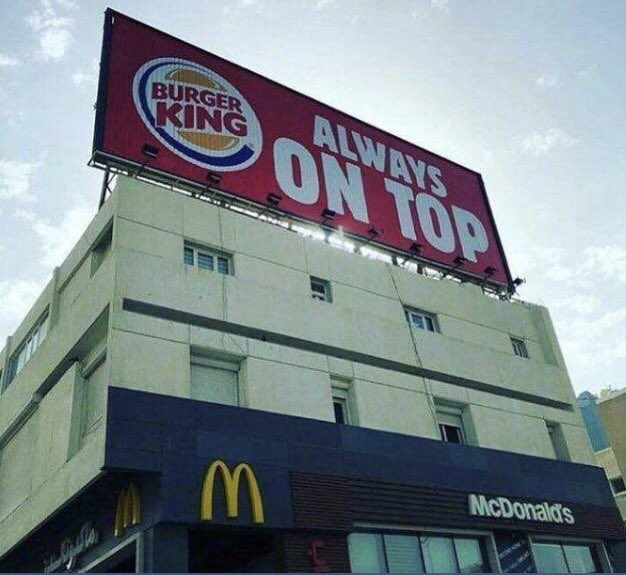
Although ambush marketing might seem similar to other marketing strategies, there are key distinctions:
- Guerrilla marketing: Both strategies aim to make an impact through unconventional methods, but guerrilla marketing focuses on surprising the public in everyday spaces (streets, shopping centers, etc.), whereas ambush marketing targets specific sponsored events. Guerrilla marketing is proactive and can happen at any time, while ambush marketing is strategically tied to high-visibility events.
- Co-branding: Unlike co-branding, which is a collaboration between two or more brands that mutually benefit, ambush marketing does not involve any formal agreement with the event organization or other participants. In fact, the lack of an agreement is the essence of ambush marketing: leveraging an event without paying for official sponsorship.
- Sponsorship: Sponsorship directly contrasts with ambush marketing. Sponsors invest large sums to gain exclusive rights to associate with an event. Ambush marketing, on the other hand, seeks to “hijack” public attention and redirect it towards a brand that hasn’t paid for those rights.
- Traditional advertising: While traditional advertising seeks to generate impact through purchased media, ambush marketing tries to achieve similar results with less investment, using indirect methods to associate with an event without breaking legal rules (in most cases).
Understanding Ambush Marketing in depth
Ambush marketing is not a straightforward technique. It requires a clever, creative approach to avoid legal consequences or negative public perception. Some of the most commonly used methods include:
- Adjacent advertising: This happens when a brand, despite not being an official sponsor, launches advertising campaigns around the event. For example, Coca-Cola could be the official sponsor of the Olympics, but Pepsi could launch a campaign that coincides with the event, creating an association in consumers’ minds.
- Celebrity endorsements: Brands often hire athletes or celebrities participating in the event to wear or mention their products, even though they’re not official sponsors. This type of ambush is particularly popular during sports events.
- Parallel activities: Brands using ambush marketing often organize nearby or related events that draw public attention without being directly linked to the main event. A classic example was when Nike opened a giant store near the Olympic stadiums in London 2012, creating a strong visual impact despite not being an official sponsor.
- Hashtags and social media: In the digital age, ambush marketing has found its place on social media. Non-sponsoring brands leverage official hashtags or viral events to launch online campaigns that, while not directly related to the event, benefit from real-time conversations.
How to apply Ambush Marketing?
Successfully applying ambush marketing requires a well-thought-out strategy and deep knowledge of the event being “ambushed.” Here are some key steps for effective execution:
- Detailed event analysis: The first step is to analyze the event, its sponsors, and the target audience. It’s not just about looking for a moment to shine, but identifying opportunities where your brand can subtly yet effectively fit.
- Creativity in campaigns: Ambush marketing doesn’t rely on big budgets but on big ideas. The key is to surprise and create a strong association in the consumer’s mind without being too obvious.
- Use of social media: Capitalizing on the most relevant moments of an event by launching campaigns on social media is one of the most efficient tactics in ambush marketing. Using hashtags and trends related to the event can make your brand part of the conversation without paying for it.
- Smart collaborations: If you can’t be the official sponsor, why not collaborate with someone relevant to the event? Hiring influencers or public figures connected to the event can help position your brand organically.
- Measuring impact: Like any marketing strategy, ambush marketing must be measured in terms of ROI (Return on Investment). Be sure to use analytical tools to track the impact of your campaigns.
How can GGyess help?
Ambush marketing requires detailed planning and real-time execution. This is where GGyess comes in. With its Calendar module, you can organize your campaigns ahead of time, ensuring they are ready to coincide with key moments of any event. Moreover, the Analytics module will allow you to measure the impact of your campaigns in real-time, adjusting your strategy as needed.
Thanks to GGyess’s automation, you can efficiently coordinate all your social media posts, using the right hashtags and engaging in key event conversations effortlessly. In short, with GGyess, you’ll have all the tools to maximize your ambush marketing strategy, keeping you always one step ahead.