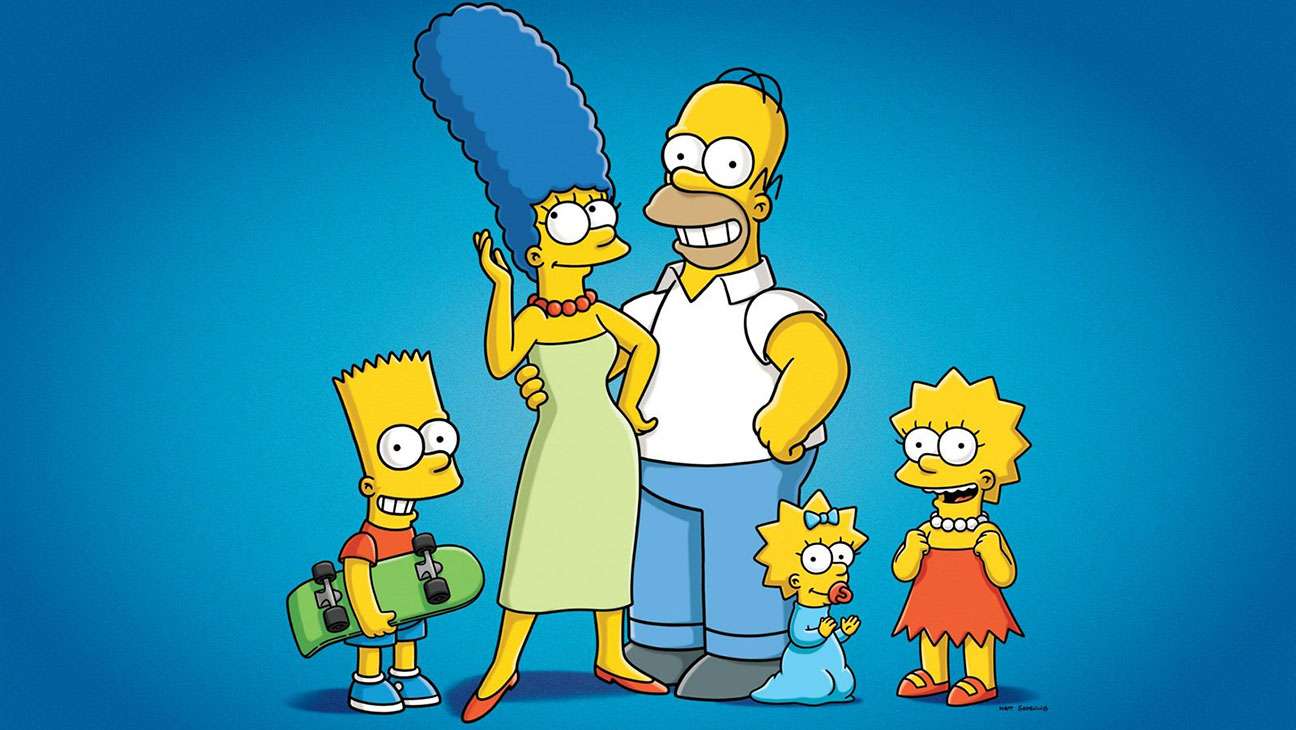
Since The Simpsons first hit our screens, it became more than just an animated series: it’s a mirror of our society, with characters that reflect our daily lives in ways that are funny, satirical, and even profound. But what if we viewed the world of marketing through the eyes of Springfield? Every character, every bizarre situation, every joke in this iconic show can teach us something valuable about how marketing works today.
Let’s take a trip through Springfield, where humor meets creativity, and learn some valuable lessons on branding, customer loyalty, and marketing strategies. Whether you’re a curious child or a business mogul gracing the cover of Forbes, there’s something here for everyone.
1. Homer Simpson: The Distracted but Loyal Consumer
We all know Homer—the guy who seems clueless about everything going on around him but is fiercely loyal when something grabs his attention. “Mmm, donuts!” perfectly sums up the distracted consumer who, despite being all over the place, will stick to a brand once it hits the sweet spot. Did you know that Homer’s love for donuts is based on the show’s creators’ real-life obsession with them?
Homer reflects today’s consumer: overwhelmed by countless choices, but extremely loyal when a brand makes them feel good. For brands, the lesson is simple: tap into your customer’s emotions, and you’ll create loyalty as deep as Homer’s love for his favorite donut.
Did you know? Homer’s character was named after the father of The Simpsons creator, Matt Groening. Talk about keeping it in the family!
If you’re just starting, find ways to build emotional connections with your audience. Offer them an experience they can’t resist—just like donuts for Homer.
2. Lisa Simpson: The Informed and Demanding Customer
Lisa is the brains of the Simpson family. Always thinking ahead, questioning everything, and demanding more from the world. “Why doesn’t anyone listen to the planet?” reminds us that Lisa is the customer who seeks brands with a purpose, not just products. In the marketing world, Lisa represents the informed consumer who demands transparency, quality, and social responsibility.
Fun fact: Lisa is actually based on Matt Groening’s younger sister, also named Lisa. And, did you know that Lisa’s saxophone solos are actually performed by jazz musicians?
For marketers, the challenge is to appeal to the “Lisas” of the world. If your brand doesn’t have a clear mission or doesn’t stand for something, you risk losing customers who want more than just a product.
Did you know? Lisa has the highest IQ in Springfield at 159. That’s higher than Stephen Hawking, who guest-starred in The Simpsons! If you’re just starting, be transparent about your values and align with causes your audience cares about.
3. Bart Simpson: The Rebellious Trendsetter
Bart doesn’t follow the rules, and he doesn’t care much for traditional brands either. “I didn’t do it!” might be his catchphrase, but Bart is the archetype of the customer who challenges convention. He’s the young rebel who seeks authenticity and wants to break away from the norm. Bart represents the trendsetting customer who makes something cool and turns it viral.
Fun fact: Bart’s full name is Bartholomew JoJo Simpson, and his iconic chalkboard gags at the start of every episode are never the same. They’ve been used to comment on pop culture, politics, and even The Simpsons itself!
For marketers, Bart teaches us that appealing to trendsetters means being disruptive, bold, and original. Playing by the old rules won’t capture their attention—they want brands that push boundaries.
Did you know? Bart’s character was inspired by rebellious characters from classic TV shows, like Dennis the Menace. If you’re just starting, focus on creating bold, edgy content that stands out. Trendsetters want brands that let them express themselves.
4. Marge Simpson: The Family-Oriented, Values-Driven Consumer
Marge is the heart of the Simpson family. Always worried about everyone’s well-being, she represents the consumer who values stability, trust, and family. “Oh, Homie!” sums up her endless patience and support for her family, even when things go wrong. Marge is the customer who remains loyal to brands that align with her values and provide consistent reliability.
Marge teaches brands that consistency, responsibility, and a focus on family values are what will attract and keep customers like her. If your business can embody those qualities, you’ll gain the loyalty of consumers who prioritize security over flashy trends.
5. Mr. Burns: The Ambitious Businessman Seeking Power
We can’t forget Mr. Burns, who symbolizes the ruthless side of business. “Excellent!” is his trademark phrase, and it reflects his obsession with control and domination. In marketing, Mr. Burns represents the corporate brands that strive to maximize their market share, often at the expense of their competitors.
Fun fact: Mr. Burns’ character is modeled after several real-life business magnates, including John D. Rockefeller and Howard Hughes. His age? 104 years old, making him one of the oldest characters in the show!
Though Mr. Burns is often seen as the villain, he reminds us that marketing is also about strategy and being one step ahead of the competition. For businesses aiming to dominate their market, it’s essential to think strategically like Mr. Burns, but without sacrificing ethics and respect for others.
Did you know? Mr. Burns’ full name is Charles Montgomery Burns. He has a personal assistant, Smithers, who is one of the most dedicated employees on TV. If you’re just starting, take a strategic approach to your business—but remember, nobody likes a villain.
In conclusion, if marketing were a story like The Simpsons, each character would teach us something different about navigating the world of brands, customers, and trends. From the distracted but loyal consumer like Homer to the demanding and informed Lisa, marketing is full of nuances that, when understood, can lead any business to success.
And as Homer would say: “Marketing… the cause of, and solution to, all of life’s problems.” So, are you ready to apply the lessons from Springfield to your strategy? Excellent!
You may also be interested in: Discover the Best Platforms to Manage your Social Networks
Make your brand as recognizable as Marge’s hair. In a crowded 2026 feed, you have less than 2 seconds to be noticed. Use GGyess SocialSuite to maintain a consistent, bold visual identity across all platforms, ensuring your brand is instantly recognizable to every Homer, Marge, and Bart. Build your legacy at GGyess.com