Imagine a room where five of the most influential minds in the world of artificial intelligence and bots gather. In this hypothetical study, Joseph Weizenbaum, Mark Zuckerberg, Sundar Pichai, Mustafa Suleyman, and Elon Musk sit together, each contributing their unique perspective on the present and future of bot technology. What would such a meeting look like? How would their ideas shape the digital landscape we navigate daily? Let’s dive into this imagined conversation, where the past, present, and future of bots converge in a brilliant exchange of ideas.
The Pioneer: Joseph Weizenbaum and the Origins of Bots

As the conversation begins, Joseph Weizenbaum, the creator of ELIZA, reflects on the early days of conversational bots. ELIZA was a pioneering experiment, but Weizenbaum knew that his invention merely scratched the surface of what bots could become. “What I did with ELIZA,” Weizenbaum starts, “was show that machines could simulate human conversation, but it was clear there was no real understanding behind the words.”
At the time, the mere fact that a machine could engage in basic conversation was astonishing. Today, Weizenbaum would be amazed by how far we’ve come, but he’d also be cautious. “The real challenge is not just creating bots that respond but bots that truly understand and adapt to human needs,” he would likely say, pondering the rapid developments of the past few decades.
Weizenbaum was always an advocate for responsible technology use, and in this imagined gathering, he would emphasize how modern bots have the power to deeply influence people’s lives. “With great power comes great responsibility,” he’d add, predicting the ethical implications that come with the development of advanced bots.
You might also be interested in: Creating Content for Millennials
Mark Zuckerberg: Democratizing Bots

Mark Zuckerberg, CEO of Meta, is a visionary in human and digital interaction. With a confident smile, he would start by talking about how Facebook Messenger became the gateway for millions of businesses to access automation through bots. “From the beginning, our goal was to connect people, and bots have been fundamental to achieving that,” he’d say.
What Zuckerberg did was allow businesses of all sizes to use technology to connect better with their customers. By removing entry barriers, he democratized the use of bots. “Today, a small business can offer the same level of service as a multinational, thanks to bots,” he would emphasize. And what’s even more exciting is what’s coming next. For Zuckerberg, the future of bots lies in extreme personalization. Imagine bots that know your preferences even better than you do, anticipating your desires and responding to your needs before you even express them.
“Bots shouldn’t just automate tasks, they should become true digital assistants,” Zuckerberg adds. His approach is not just functional but emotional. For him, the connection with the user must go beyond a simple transaction; it must touch the human side.
Sundar Pichai: Intelligence in Service of Humanity

In this hypothetical meeting, Sundar Pichai, CEO of Google, would bring a technical yet human-centered vision. “What’s fascinating about bots is how they’ve evolved from simple response mechanisms to deeply integrated tools in people’s daily lives,” he would begin.
With Google Assistant leading the charge, Pichai has been instrumental in making AI accessible to everyone. “We’ve focused on natural language understanding. A bot no longer just listens to commands; it now understands the intent behind the words,” he explains. The challenge, according to Pichai, is not just improving the technology but making bots feel natural, allowing conversations to flow as easily as between two people.
“The future is bright,” he’d say calmly. “Imagine a world where every home has a bot that not only organizes your day but helps you learn, improve your health, and become more productive. We’re only scratching the surface of what bots can do for humanity.”
Pichai’s vision goes beyond efficiency. For him, bots have the potential to transform entire industries, from education to healthcare. “We will see bots playing a key role in solving some of the world’s most challenging problems,” he’d predict.
Mustafa Suleyman: The Power of AI in the Right Hands

Mustafa Suleyman, co-founder of DeepMind, would take a more philosophical approach to the conversation. “We’ve built machines that can outperform humans in very complex tasks, but the real question is: how do we use this power ethically?”
Suleyman would talk about the incredible advances his team has achieved in AI, from AlphaGo to current developments in systems that learn and adapt without human intervention. “Autonomous learning is a powerful tool, but we must use it carefully,” he would warn. In his mind, bots are just the beginning of a broader AI revolution.
What truly motivates Suleyman is the responsible use of technology. “While artificial intelligence can bring enormous benefits to society, it also has the potential to deepen inequalities if not implemented properly,” he would explain. For him, the future of bots is not just about what they can do but how we can ensure they are used equitably and justly.
Elon Musk: A Future Driven by Bots
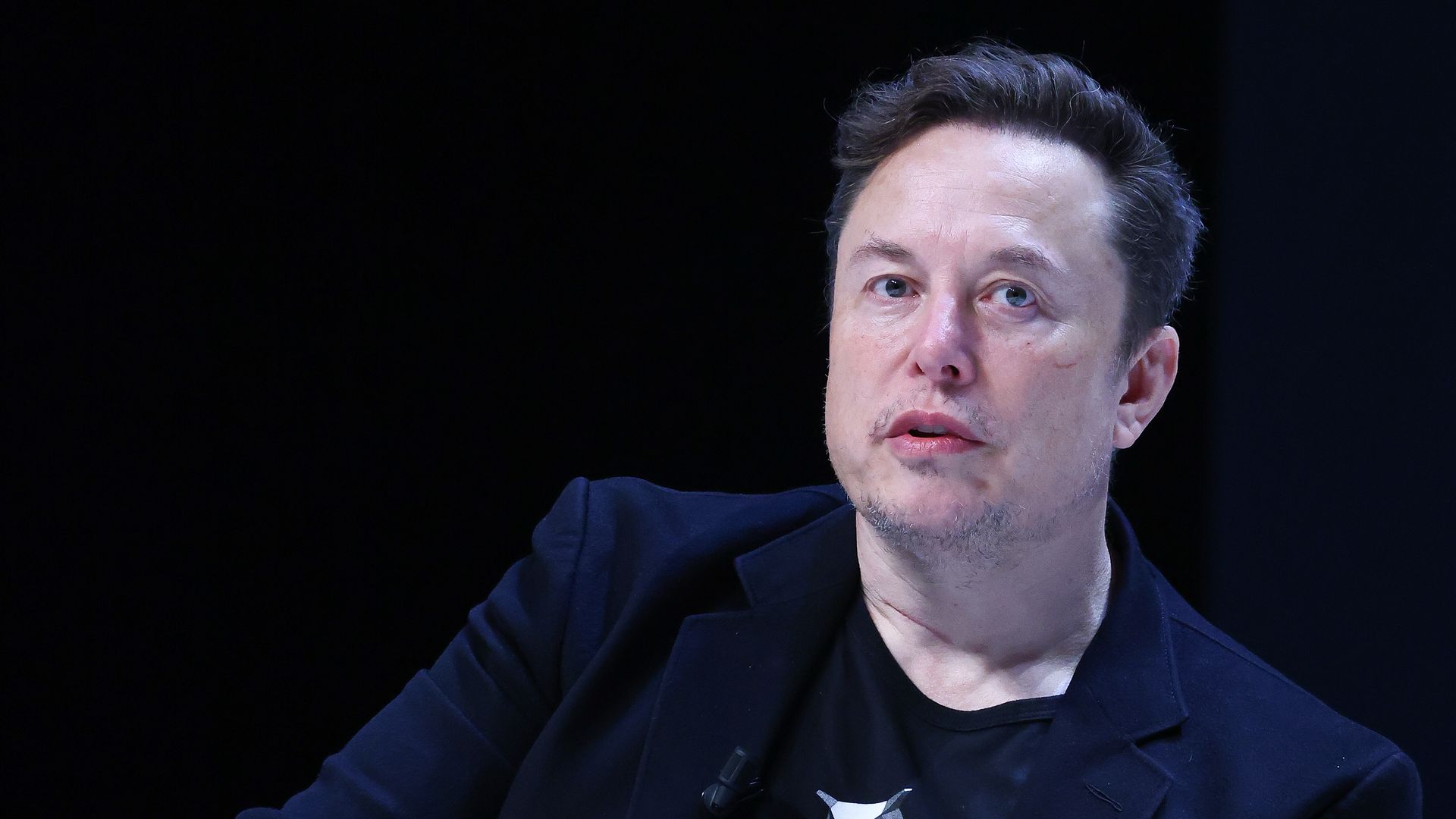
Elon Musk, with his characteristic visionary style, would take the conversation to the next level. “Bots won’t just be useful tools; they will be companions that work alongside us in all kinds of environments,” he’d begin. Musk has a grand vision for the future, where bots not only assist in everyday tasks but also play a key role in his interplanetary plans.
“Think of Mars,” Musk would say, “the first settlers on Mars will likely be bots, building structures and preparing the land for humans. And this isn’t decades away, it’s something we could see much sooner than you think.”
His focus is not just technical but futuristic. Musk has often warned of the dangers of unchecked artificial intelligence, but he also firmly believes that if used correctly, bots could transform life on Earth and beyond. “AI will be essential to our survival as a species,” Musk would conclude, always casting his gaze toward the stars.
Final Thoughts: GGyess’ Role in the Evolution of Bots
In this hypothetical conversation among giants, one thing is clear: the future of bots is filled with promise and challenges. Their ability to learn, personalize, and navigate ethical concerns will play crucial roles in how this technology develops in the coming decades. This is where GGyess comes into play. As bots continue to evolve, GGyess is at the forefront, offering businesses tools to harness the full potential of automation.
But there’s something even more exciting on the horizon: GGyess will soon launch advanced bots that will automate even more customer interactions, allowing businesses to optimize operations and deliver more personalized, efficient experiences. These bots will be designed to understand, adapt, and anticipate user needs, taking automation to a whole new level.
The future of bots is exciting, and GGyess will be there to lead the way. Are you ready to seize the opportunity?