Let’s be honest: The idea of another mandatory “virtual happy hour” probably generates more tired sighs than enthusiasm from your team. The first wave of remote work taught us how to survive digitally, but the current phase demands we learn how to thrive.digital well-beingIt’s gone from being a buzzword to a fundamental pillar of productivity and talent retention. Zoom burnout, notification fatigue, and the fine line between the living room and the office are real challenges that an online trivia game can’t solve.
True well-being in a remote environment isn’t about adding more events to the calendar, it’s aboutintentionally redesign the way we work, communicate, and connectIt’s about implementing systems that protect your team’s most valuable resource: their mental and emotional energy. The following five activities aren’t temporary fixes; they’re structural changes designed to foster a healthier, more sustainable, and ultimately more productive remote work environment.
1. Institute “Meeting-Free Evenings”
The Problem It Solves:Daily fragmentation and cognitive burnout. Back-to-back meetings, even short ones, disrupt workflow and leave little room for deep concentration (deep work), which is where the greatest value is generated. The human brain isn’t designed to constantly switch contexts without significant energy costs.
How It Works:This initiative is as simple as it is powerful. It consists of blocking off a recurring period of time on the team-wide calendar where internal meetings are prohibited. A “meeting-free afternoon” two or three times a week (e.g., Tuesdays and Thursdays from 1:00 PM onward) creates a predictable and protected block of time. During this period, employees know they can dive into complex projects, writing, coding, or planning without being interrupted by a video call. It’s not free time, it’suninterrupted focus timeLeadership must be the primary defender and adherent of this rule for it to work, avoiding the temptation to schedule a “quick and urgent” meeting during these sacred hours.
2. Create a “Conscious Communication Pact”
The Problem It Solves:Anxiety about immediacy and the “always on” culture. Instant messaging platforms like Slack and Teams are fantastic tools, but they’ve also created an implicit expectation of immediate response, keeping the brain in a constant state of alert.
How It Works:Instead of leaving communication norms to chance, the team should create them collaboratively. A “Communication Pact” is a living document that defines expectations. It should answer questions like: Which channel is used for what type of communication? What constitutes a true emergency that warrants direct notification? What is the expected response time for non-urgent matters? Clear signals can be established, such as using “@channel” only for important announcements or prefixes like “[URGENT]” or “[FYI]” in messages. This pact empowers team members to disconnect after hours without guilt and dramatically reduces digital noise, allowing everyone to focus on the important signals.
3. Launch an “Asynchronous Virtual Café”
The Problem It Solves:The loss of spontaneous interactions and the pressure of forced in-person socializing. Casual conversations in the office kitchen or by the water cooler were crucial for building camaraderie and trust. Trying to replicate them with scheduled video calls often feels awkward.
How It Works:A dedicated channel is created on the messaging platform (e.g. #virtual-cafeteria) that is explicitly for non-work conversations and, most importantly,asynchronousThis eliminates the pressure of being “live.” To encourage participation, a moderator can launch low-pressure weekly questions or topics: “Pet Monday” (pet photos), “Desk Wednesday” (workspace photos), “Achievement Friday” (sharing a small personal or professional achievement of the week). Because it’s asynchronous, team members can participate whenever they have a free moment, creating a social connection that builds naturally and stress-free over time.
4. Promote “Digital Closing Rituals”
The Problem It Solves:The inability to mentally switch off at the end of the day. When your office is three steps away from your couch, the transition from “work mode” to “rest mode” can be almost nonexistent, leading to progressive burnout.
How It Works:A closing ritual is a brief, consistent routine that signals to the brain that the workday is over. As a team, you can implement a shared ritual. For example, 10 minutes before the end of the day, each member shares on a dedicated channel: 1) Their biggest achievement of the day. 2) Their top priority for tomorrow. 3) Their plan for unwinding that evening (reading, cooking, walking, etc.). This simple act has a triple benefit: it increases visibility into the team’s progress, reduces anxiety the next day by having a clear plan, and, most importantly, creates a deliberate and conscious end to the workday.
5. Implement “Group Focus Sessions”
Bring your brand to life with this essential guide Get the ebook
The Problem It Solves:Procrastination and the feeling of isolation when working on individual tasks. Sometimes, the simple presence of others, even virtual ones, can increase motivation and accountability.
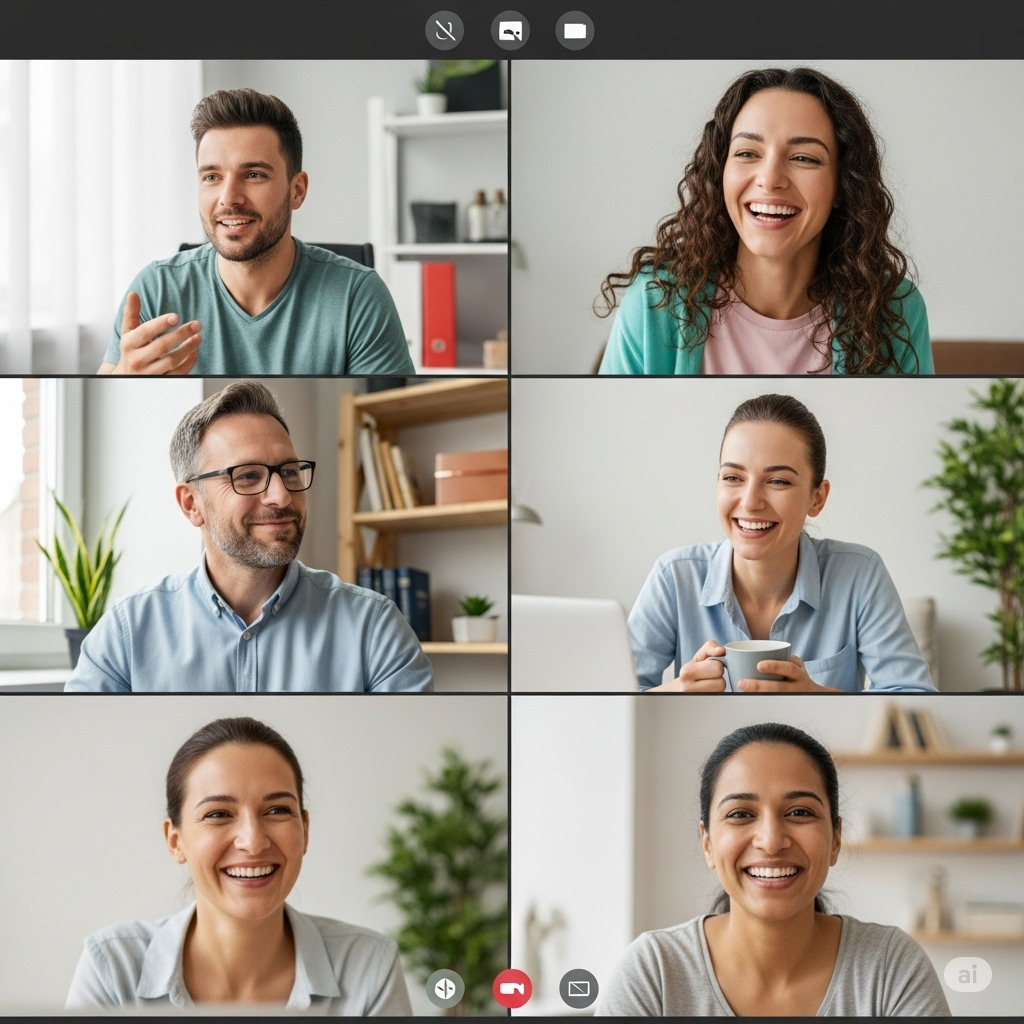
How It Works:Inspired by the “Pomodoro Technique,” a team leader or volunteer can organize 60- to 90-minute focus sessions. A video call is initiated where everyone keeps their cameras on but their microphones muted. At the beginning, each person briefly states the task they will focus on. Then, everyone works silently, in parallel. The silent presence of colleagues creates a study or library environment, a form of virtual “co-working” that combats loneliness and encourages concentration. At the end of the session, everyone can take a few minutes to share progress. It’s a way to be together and productive without the burden of constant conversation.
Optimizing Well-being with Artificial Intelligence
Implementing these activities is a giant step toward a healthier team. However, true sustainability is achieved when we free our team from the tasks that cause initial burnout. This is where solutions likeGGyess. By delegating repetitive tasks, based on data and predictable processes to“digital workers”We’re doing more than optimizing efficiency; we’re buying time and cognitive energy for our team.
This not only eliminates hours of monotonous work, but also frees up the mental space your team needs to engage in deep work, mindful communication, and genuine connection. Digital well-being and intelligent automation aren’t two separate strategies; they’re two sides of the same coin. By automating the tedious, we create the perfect environment for the human to flourish.
Stop Letting Business Challenges Slow You Down
Whether you’re dealing with content chaos, team coordination, or strategic planning, success comes from flawless organization. The best companies conquer complexity by using a single, unified platform for planning and execution.
GGyess WorkSuite gives you the operational clarity to conquer complexity and execute your strategy perfectly:
- Centralized Projects: Keep all tasks, communications, and assets in one place.
- Team Collaboration: Facilitate real-time work and eliminate communication bottlenecks.
- Strategic Planning: Use robust tools to map out and stick to your growth roadmap.
Register to Start Solving Your Biggest Business Challenges Today.