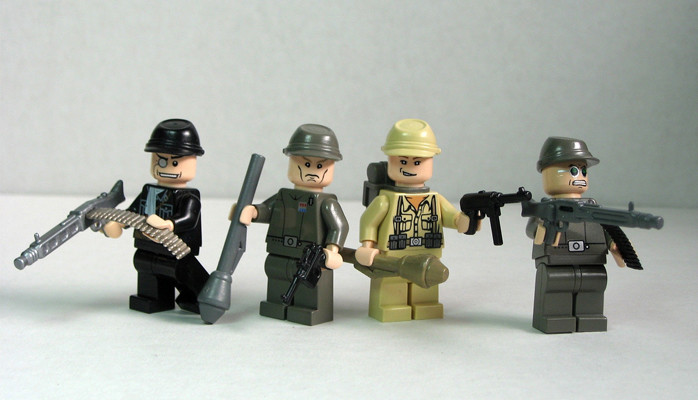
In the world of marketing, it’s often said that “marketing is like war.” And it’s not an unreasonable analogy. Both disciplines share many tactics and strategies aimed at conquering a common objective: defeating the competition and capturing territory—in this case, the minds and hearts of consumers. When we analyze some of the most impactful moments in military history, we uncover fascinating lessons that can be translated into marketing. However, as with any analogy, there’s always a twist that changes the deeper meaning of this comparison.
Military Tactics Applied to Marketing
- Know your enemy: In The Art of War, Sun Tzu emphasizes the importance of knowing both yourself and your enemy to ensure victory. In marketing, this idea translates to an in-depth analysis of the competition. During World War II, the Allies deciphered the Enigma code used by the Nazis, granting them a strategic advantage by anticipating enemy movements. Similarly, in marketing, tools like data analysis and market research allow you to stay ahead of the competition, identifying their strengths and weaknesses to craft more effective strategies. Just as on a battlefield, knowing these details can be the game-changer that leads your brand to victory. Leveraging insights and accurate data is like having a detailed map in war—essential for planning.

- The element of surprise: One of the most famous moves in military history was the D-Day invasion during World War II. The Allies executed a massive operation by deceiving the Nazis about the true location of the attack. This use of surprise left Axis forces disoriented and paved the way for a decisive victory. In marketing, brands that successfully surprise their audience achieve a similar impact. A notable example is the “Dumb Ways to Die” campaign by Metro Trains, designed to raise awareness about railway safety. Nobody expected a safety message to come with a catchy song and charming animations, but this strategy garnered millions of views and numerous advertising awards. Like in war, the element of surprise can disrupt the norm and create massive impact.

- Strategic terrain: In the Battle of Waterloo, Napoleon carefully selected his terrain to position his troops, but the enemy’s movements and weather conditions turned against him. Similarly, in marketing, choosing the right “terrain” means identifying the digital platforms where your audience is most active. If your target audience thrives on TikTok, pouring all your resources into LinkedIn may not yield the best results. A clear example is Crocs, which rejuvenated its image by using TikTok to engage with a younger audience. Users showcased how they styled their Crocs, transforming the product into a fashion symbol among the new generation. This kind of strategic focus maximizes resources, gaining relevance and capturing ground in the consumer’s mind.
- Division of forces: Alexander the Great was renowned for his ability to divide and coordinate his troops in decisive battles. During the Battle of Gaugamela, he used tactics to split Persian forces, creating confusion and securing a sweeping victory. In marketing, this same logic applies to specialized teams. Each group (creative, content, sales, analytics) plays a crucial role but must coordinate to achieve a common goal. For example, a successful Coca-Cola campaign doesn’t depend solely on creative advertisements but also on teams overseeing distribution, social media, and market impact tracking. This coordination highlights the importance of strategic planning, where every element has a purpose and contributes to overall success.
The Clearest Parallels
In war, a general plans movements, identifies strengths and weaknesses, and delegates tasks to specialized soldiers. In marketing, the manager acts as that general, directing human, technological, and financial resources to execute successful campaigns. A classic example of this strategy in action is Apple under Steve Jobs’ leadership. When launching the iPhone, Apple focused not only on product innovation but also on crafting marketing campaigns that communicated its unique value. Every detail, from the minimalist design to the message of “this is what you always needed,” was meticulously orchestrated to dominate the market.
During the Cold War, espionage technology became one of the most powerful weapons. Today, in digital marketing, data and analytics function as the “modern espionage,” providing detailed information to craft precise strategies. In this context, knowing your audience through advanced tools like GGyess allows you to personalize every interaction and ensure your message hits the right target. It’s no coincidence that the most successful freelancers also master these tools. If you’re curious about this, check out 5 Tips You Didn’t Know About Getting Clients as a Freelancer for insights into how well-directed strategies can transform your results.
But… is it really war?
Here’s where the “but” comes in. While these parallels are useful for understanding marketing from a strategic perspective, there’s a fundamental difference: marketing shouldn’t aim to destroy or annihilate the competition.
In war, the goal is to defeat the enemy at all costs. In marketing, however, the true purpose is to create value, connect, and build lasting relationships with consumers. A clear example of this is Patagonia’s social responsibility initiatives, which don’t aim to “defeat” rivals but rather to drive global change towards sustainability. This approach humanizes brands, moving them away from the destructive mindset of war.
From War to Collaboration
Instead of viewing the competition as an enemy, many brands have started collaborating with those who would traditionally be considered rivals. This is known as coopetition (collaboration + competition). During World War I, amidst devastation, British and German soldiers unofficially paused their conflict during Christmas, exchanging gifts and playing football. This act of humanity inspires modern marketing, where brands work together for shared goals. An example is Nike and Apple’s partnership to create products like the Nike+ iPod, combining forces to deliver more value to their customers.
Furthermore, ethical marketing is reshaping the rules of the game. Sustainability, social responsibility, and respect for consumers are now at the core of modern campaigns. It’s no longer about destroying everything in your path but building a legacy that benefits both brands and society. This not only strengthens customer loyalty but also ensures long-term relevance.
The Strategy of the Greater Good
Want to win in marketing? Stop thinking like a warrior and start acting like a builder. Success is no longer measured solely by the market share conquered but by the number of lives positively impacted. For example, Unilever has adopted the mission of improving the quality of life for its consumers and reducing its environmental impact, demonstrating that marketing can be a tool for positive change.
In this modern battlefield, having tools like GGyess can be your secret weapon to triumph. From planning to execution, GGyess allows you to organize your campaigns with surgical precision, ensuring every move counts. What tactics will you use to leave a mark without destruction along the way? 🌱