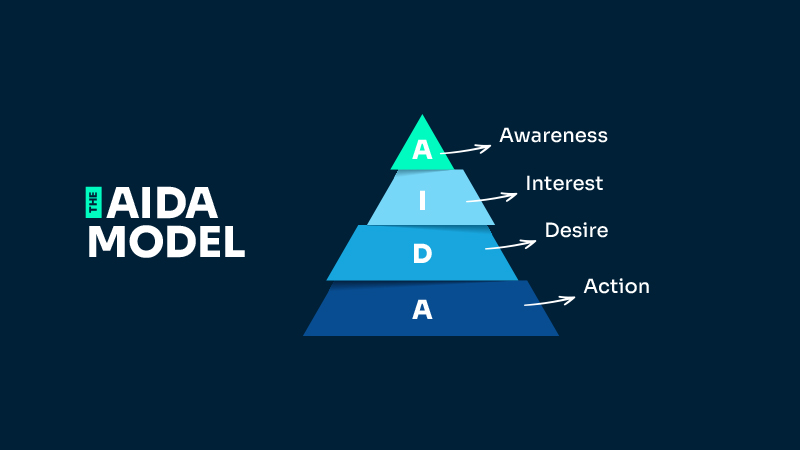
The sales funnel is one of the most effective tools for turning simple interactions into real sales. While it may sound modern, this concept has been around for over a century. Introduced in 1898 by Elias St. Elmo Lewis, the AIDA model (Attention, Interest, Desire, and Action) has been the cornerstone of understanding consumer behavior. What makes it so timeless? The fact that regardless of whether you’re selling shoes or online courses, people need a clear journey that guides them toward making decisions.
Companies that master this model, such as Nike, integrate it into every aspect of their digital marketing. Nike doesn’t just sell sneakers; it sells stories of perseverance. With campaigns like “Just Do It,” they capture attention, build emotional connections, and drive customers to act. This strategy isn’t reserved for big brands; small businesses on Instagram can apply the same techniques. As marketing guru Neil Patel puts it, “Each stage of the funnel should be designed to bring the customer one step closer to making a purchase without losing their interest.”
How the Sales Funnel Works in Social Media
Implementing a sales funnel in social media involves using each stage to guide your customer from discovery to purchase. Platforms like Instagram, TikTok, or LinkedIn become essential tools for crafting strategic content and building meaningful interactions.
1. Attraction (Awareness): The First Touchpoint

Everything begins with capturing your audience’s attention. At this stage, you’re not directly selling; instead, you create compelling content that makes people stop scrolling, click, and explore more. Think of this as a first impression—it needs to be unforgettable. For instance, a home decor business could post a reel showcasing a quick transformation of a dull space into an elegant one, immediately grabbing the audience’s interest.
The secret lies in storytelling. As Gary Vaynerchuk says, “If you want to be heard, first provide value before asking for anything in return.” Tell them a story: “Imagine coming home after a long day and feeling like your space was designed just for you. That’s what we create.” Pair this with targeted ads by using tools like Facebook or Instagram Ads to reach people already interested in the type of product or service you offer.
2. Interest: Building a Connection with Your Audience

Once you’ve caught their attention, it’s time to spark curiosity. At this stage, potential customers begin exploring who you are and what you offer. Educate them and demonstrate how you solve their problems. For example, a skincare brand could create Instagram story highlights addressing topics like “Why Your Skin Type Needs a Specific Cleanser” or “The 3 Most Common Skincare Mistakes.”
As Seth Godin famously said, “You’re not selling products; you’re selling the story people want to believe.” That’s why you should offer educational content like free eBooks or webinars. Engage actively in the comments section of your posts. This not only builds trust but also fosters a community around your brand.
Another tactic is to share “behind-the-scenes” content that shows how your product is made or how your team works. For instance, if you’re a baker, show how you decorate a cake step by step. It humanizes your business and strengthens emotional connections.
3. Desire: The Power of Emotional Persuasion

After generating interest, the next step is turning that curiosity into desire. At this stage, emotions play a key role. It’s time to show them that your product isn’t just another option—it’s the best option. Let’s say you own a gym. Instead of merely listing your services, share real transformation stories from your clients. A video showing someone who improved their health thanks to your training not only generates empathy but also inspires action.
Statements like “Imagine feeling healthier and more energetic every day” help customers visualize the benefits. You can also employ scarcity tactics, such as “Only a few spots left” or “This offer is valid for 24 hours only.” These strategies are highly effective because they create urgency, motivating people to act quickly.
4. Action: Closing the Sale

This is where all the hard work translates into tangible results. Once your potential customers are ready to buy, it’s critical to remove any obstacles that might prevent them from completing the purchase. If you’re selling on Instagram, use features like Instagram Shopping, allowing users to purchase directly from the app. If you have an online store, ensure the checkout process is simple, offering multiple payment methods.
A clear and direct CTA (Call to Action) is essential. Phrases like “Buy now and get free shipping” or “Secure your spot before it’s gone” are great examples. By this stage, trust has already been established, so customers only need a slight nudge to finalize the purchase.
The Extra Step: Loyalty, the True Success of the Funnel
In social media, the sale is not the end of the funnel—it’s the start of a long-term relationship. Happy customers are not only likely to return but can also become your best ambassadors. A brand that excels at this is Spotify, which consistently personalizes content for users, from playlists to recommendations based on their behavior.
To foster loyalty, encourage customers to share their experiences on social media and tag your profile. For instance, create a unique hashtag for your clients or launch giveaways that require tagging your account. This not only strengthens relationships but also attracts new customers to your funnel.
As the saying goes, “It’s cheaper to retain a customer than to acquire a new one.” Ensure your customers feel valued and heard.
Linked Article: Why Work Management is Key to Sales Funnel Success
To succeed in implementing your sales funnel, it’s essential to have strong work management systems in place. Learn more about this in our article Work Management and Why It’s Necessary for Your Team. Efficient management keeps every stage of the funnel aligned, ensuring your team works seamlessly toward common goals.
Conclusion: Start Building Your Funnel Today
The sales funnel isn’t just a model; it’s a strategy that gives structure and purpose to every interaction with your customers. From capturing attention to creating loyalty, each step is an opportunity to stand out. In social media, the possibilities are endless.
With tools like GGyess, managing your sales funnel becomes effortless. GGyess helps you plan, automate, and analyze every stage of your strategy, ensuring your content reaches the right audience at the right time. Ready to transform followers into loyal customers? Start building your perfect funnel today with GGyess!