
In the digital era, having an effective website is essential for any business that wants to stand out and capture the attention of potential customers. A website is not just a business card; it is a powerful tool that can attract traffic, generate leads, and enhance brand perception. This blog explores the 25 essential characteristics that an effective website must have, ensuring that it not only meets current standards but also becomes a key tool for the success of your business.
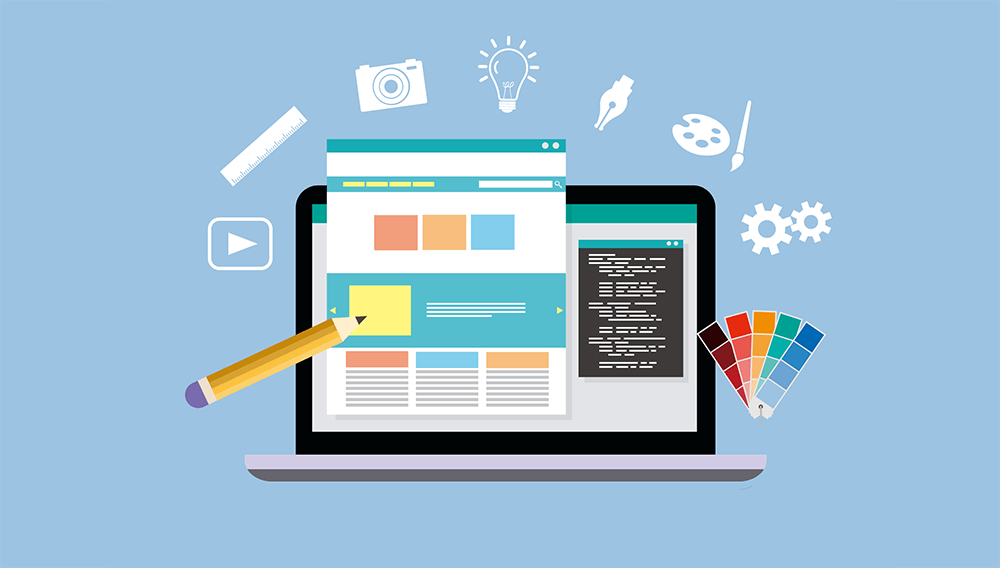
- Attractive and Professional Design:
- First Impression: Your website’s design should make a good impression at first glance. A clean, modern design aligned with your brand identity conveys professionalism and trust.
- Consistent Aesthetics: Maintain consistency in colors, fonts, and visual styles that reinforce your brand and facilitate user navigation.
- Intuitive Navigation:
- Clear and Simple Menus: A well-structured menu helps visitors easily find the information they seek. Avoid cluttering menus and organize sections logically and orderly.
- Search Bar: Include a visible search bar so users can quickly access specific content without exploring all pages.
- Mobile Optimization:
- Responsive Design: A design adaptable to mobile devices is not optional; it is essential. Ensure your website looks and functions well on smartphones and tablets, as much web traffic comes from these devices.
- Mobile Load Speed: Optimize images and reduce load times to ensure a good user experience on mobile devices.
- Fast Loading Speed:
- Importance of Speed: A slow-loading page can frustrate visitors and make them leave your site. Optimize images, use compression tools, and choose quality hosting to improve loading times.
- Speed Metrics: Use tools like Google PageSpeed Insights to assess and improve your page’s speed.
- Relevant and Quality Content:
- Informative Content: Provide content that is relevant, informative, and useful to your audience. Keep blog posts, guides, and help sections updated to always offer the best information.
- SEO Strategy: Integrate relevant keywords into your content to improve your search engine ranking and attract organic traffic.
- Clear Calls to Action (CTAs):
- Navigation Guide: Effective CTAs like “Subscribe,” “Buy Now,” or “Download Free” should guide users toward the actions you want them to take. Place them strategically on your site to maximize conversions.
- Attractive Button Design: CTA buttons should stand out visually to grab the visitor’s attention.
- SEO Compatibility:
- Structure and Keywords: Use a clear, SEO-friendly URL structure, incorporate optimized meta descriptions and titles to enhance visibility in search engines.
- Image Optimization: Ensure all images are tagged with alt text and optimized to improve load speed and accessibility.
- Responsive and Accessible Design:
- Adaptability for All Users: Ensure your website is accessible to people with disabilities, using image descriptions, contrasting texts, and a logical structure for screen readers.
- Browser Compatibility: Verify that your page functions correctly on all popular browsers, such as Chrome, Firefox, Safari, and Edge.
- Social Media Integration:
- Sharing Buttons: Include social media sharing buttons, allowing visitors to promote your content and increase your visibility.
- Social Media Feed: Add a live feed from your social media accounts to keep content fresh and show that your brand is active.
- Testimonials and Reviews:
- Social Proof: Displaying customer reviews and testimonials increases credibility and trust in your brand. Include a dedicated section where visitors can see other users’ experiences.
- Product Ratings: If you sell products, allow customers to rate and comment to provide valuable information for future buyers.
- Updated Blog:
- Content Strategy: Keep an active blog with posts relevant to your audience. Quality content not only informs but also improves your SEO and attracts returning visitors.
- Editorial Calendar: Set a publication schedule to maintain consistency and relevance in your content.
- FAQ Section:
- Quick Doubt Resolution: A well-organized FAQ section can save users time and reduce your customer service load by answering common questions.
- Optimized Experience: Keep this section updated so visitors always find helpful and accurate answers.
- Secure Design and SSL Certificates:
- Trust and Security: Ensure your site is protected with an SSL certificate. Users feel safer on a site that displays a security padlock in the address bar.
- Data Protection: Comply with privacy and data protection regulations, such as GDPR, to safeguard your users’ information.
- Chatbots or Live Support Integration:
- Real-Time Assistance: Offering a chatbot or live chat can significantly improve user experience by providing immediate answers to their questions.
- Automated Responses: Tools like GGyess allow you to manage customer communication efficiently, ensuring they always receive attention without constant intervention.
- Effective Contact Forms:
- Ease of Contact: Contact forms should be easy to find and use. Include only essential fields to avoid discouraging users from completing the form.
- Automated Responses: Set up automated replies that inform users their message has been received, providing a better experience.
- Google Maps Integration for Physical Locations:
- Facilitate Location: If you have a physical store, integrate Google Maps so customers can easily find you.
- Complete Contact Information: Provide addresses, opening hours, and contact numbers to facilitate visits.
- Attractive “About Us” Section:
- Humanize Your Brand: A good “About Us” section should tell your company’s story, values, and mission, helping visitors connect emotionally with your brand.
- Team Photos and Videos: Adding images of the team and the work environment adds a personal and authentic touch.
- Sitemap and Clear Structure:
- Ease Navigation: A sitemap helps users and search engines understand your website’s structure.
- Logical Organization: Maintain a clear and organized hierarchy so visitors can find what they are looking for without complications.
- Newsletters and Subscriptions:
- Capture Leads: Subscription forms for newsletters are an excellent way to capture leads and keep your audience informed about news, promotions, and exclusive content.
- Exclusive Offers: Encourage subscription by offering something in return, such as discounts, free guides, or early access to products.
- Minimalist Design and White Space:
- Avoid Clutter: A minimalist design with enough white space makes reading and navigation easier, keeping users focused on what matters.
- Pleasant Aesthetic: Use soft colors and a clean structure that invites users to explore more.
- Detailed Products or Services Section:
- Clear and Attractive Descriptions: Provide detailed descriptions of your products or services, highlighting their benefits and unique features.
- High-Quality Images: Use clear, high-resolution images to show your products from different angles.
- Clear Policies (Privacy, Returns, etc.):
- Transparency with Users: Include clear and accessible sections about privacy policies, returns, terms, and conditions to maintain transparency with your customers.
- Legal Compliance: Ensure these policies comply with current regulations.
- Comments and Ratings Functionality:
- User Feedback: Allow users to comment and rate your products or services, providing transparency and trust.
- Active Moderation: Keep comment moderation active to avoid spam and maintain content quality.
- Free Resources and Downloads:
- Add Value to Users: Offering free resources like guides, templates, or ebooks can attract traffic and capture interested leads.
- Build Trust: Providing valuable content helps build a trust-based relationship with visitors.
- Analytics Tool Integration:
- Continuous Monitoring and Improvement: Use analytics tools to monitor user behavior on your website and adjust your strategies accordingly. Tools like GGyess facilitate content scheduling and performance analysis of posts, helping optimize user interaction with your website.
You Might Be Interested In:5 Steps to Integrating Chatbots into Your Social Media Customer Service Strategy

Conclusion: An effective website is much more than a pretty design; it is a combination of multiple features that work together to offer the best possible user experience. From speed optimization and mobile compatibility to the integration of interactive elements and efficient content management, every aspect counts to capture and retain your visitors. Incorporating these 25 characteristics will ensure your website not only attracts traffic but also converts visitors into loyal customers, enhancing your online presence and business success.
Don’t just host visitors; engage individuals. In 2026, the most effective sites use Dynamic Hyper-Personalization to change layouts and CTAs in real-time based on user behavior. Use GGyess SocialSuite to sync your high-impact social content with your website’s messaging, ensuring a seamless, context-aware journey that increases conversion by up to 40%. Personalize your presence at GGyess.com