

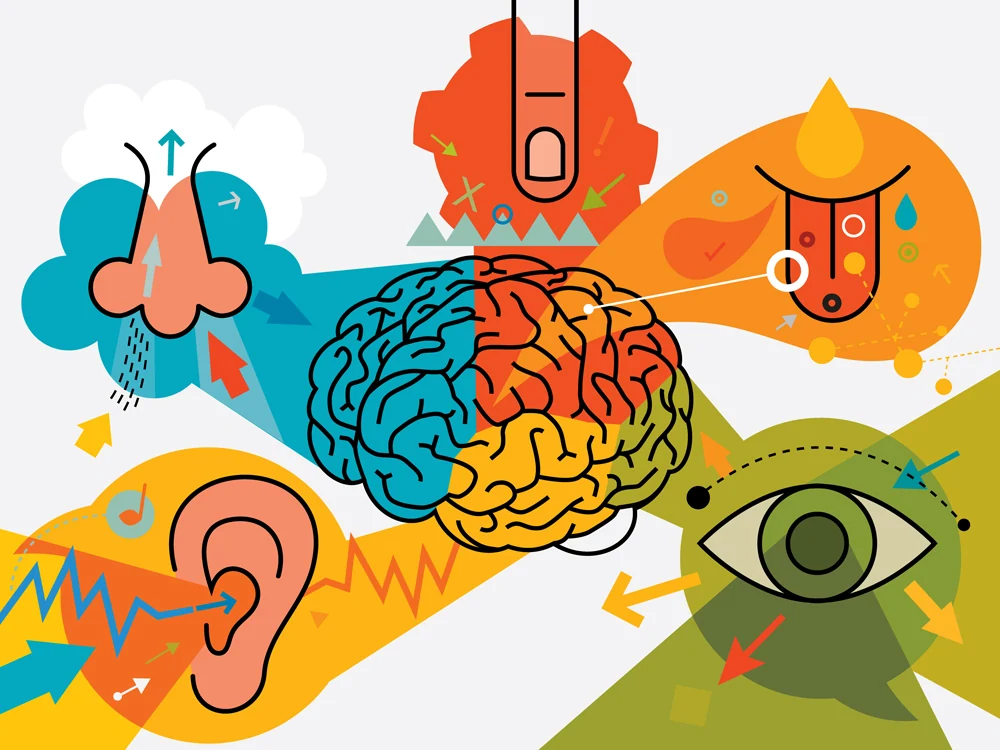
Sensory marketing is a strategy that goes beyond traditional advertising methods, using human senses—sight, hearing, smell, taste, and touch—to create memorable and emotional brand experiences. This technique aims to influence consumer perception and foster a deeper connection with the brand. This blog explores what sensory marketing is, how you can implement it in your strategy, and what benefits it can bring to your business.
- What is Sensory Marketing?
- Definition and Concept: Sensory marketing focuses on creating experiences that engage one or more of the senses to influence consumer perception and strengthen the relationship with the brand. Unlike traditional marketing, which mainly focuses on sight and sound, sensory marketing encompasses all senses to create a more immersive experience.
- Objective: The goal of sensory marketing is to create an emotional connection that makes customers remember the brand in a positive and unique way. This approach can increase loyalty and the desire to repeat the purchase experience.
- Benefits of Sensory Marketing:
- Emotional Connection: The senses are directly connected to our emotions and memories, making sensory marketing a powerful tool for creating emotional bonds with customers.
- Differentiation from Competitors: In a saturated market, sensory marketing can differentiate your brand by offering a unique experience that is not just based on the product but on how it feels, smells, sounds, or even tastes.
- Customer Loyalty: Positive sensory experiences can increase customer satisfaction and foster brand loyalty. Consumers tend to remember and prefer brands that have provided them with pleasant experiences.
- Examples of Sensory Marketing in Action:
- Visual Marketing: Use colors, shapes, and visual designs that resonate with your brand’s identity and attract your audience. Luxury brands, for instance, use dark and elegant colors to convey exclusivity.
- Auditory Marketing: The use of specific music and sounds can set the tone for the shopping experience. A classic example is relaxing music in fashion stores, which encourages customers to stay longer.
- Olfactory Marketing: Scents can evoke memories and emotions. Stores like Abercrombie & Fitch are famous for their olfactory marketing, using a characteristic scent that makes customers remember the store even after leaving.
- Tactile Marketing: Touch can influence the perception of quality. Soft materials and pleasant textures can enhance the perception of a product, particularly in industries like fashion and luxury.
- Gustatory Marketing: Free tastings in supermarkets are a perfect example of gustatory marketing, allowing customers to try before they buy, often leading to a higher likelihood of purchase.
- How to Implement Sensory Marketing in Your Strategy:
- Identify the Relevant Senses for Your Brand: Not all brands need to activate all senses. Identify which are most relevant to your product or service and focus on those. For example, a coffee shop might focus on olfactory and gustatory marketing, while a fashion store might prioritize visual and tactile elements.
- Design a Coherent Experience: Ensure that all sensory elements are aligned with your brand’s identity and values. Every detail should work together to create a cohesive and memorable experience for the customer.
- Success Stories in Sensory Marketing:
- Starbucks: The sensory experience at Starbucks goes beyond coffee. From the distinctive aroma upon entering the store to the carefully selected music, everything is designed to make customers feel comfortable and relaxed, encouraging repeat visits.
- Apple Store: Apple Stores are a perfect example of well-executed sensory marketing. The clean and minimalist design, the ability to touch and try products, and the subtly controlled auditory environment create an experience that reflects the brand in every detail.
- Measuring and Optimizing Sensory Marketing:
- Feedback Collection: Implement surveys and get direct feedback from customers to understand which sensory elements are working and which could be improved.
- A/B Testing: Experiment with different sensory elements and measure the impact on customer satisfaction and sales. This allows you to adjust and refine your approach.
- Integration with Management and Analysis Tools:
- Monitoring and Adjustments: Using digital marketing management tools allows you to monitor the performance of your sensory campaigns and make real-time adjustments. Metrics like visit duration, dwell time, and conversion rates are essential for evaluating the effectiveness of your sensory strategy.
- Support from Digital Tools: While sensory marketing focuses on the physical experience, it’s important to remember that the online experience can also benefit from a sensory approach. Incorporating attractive visuals, sounds, or even evocative descriptions in your digital presence can complement and strengthen your brand’s overall experience. Tools like GGyess allow you to manage and optimize the scheduling of visually appealing content on social media, ensuring that your sensory message remains consistent both online and offline.
You Might Be Interested In:How to Overcome ROI Challenges in Digital Marketing

Conclusion: Sensory marketing is not just about appealing to the senses but about creating experiences that stay in the customer’s memory, emotionally connecting with them and fostering brand loyalty. Implementing sensory strategies can differentiate your brand in a competitive market, offering consumers something beyond the product: a complete and memorable experience. If you haven’t tried sensory marketing yet, now is the time to explore how this strategy can transform your brand perception and create a lasting impact.
Synchronize your brand’s “Scent and Sound.” Sensory marketing only works if it’s consistent. Use GGyess WorkSuite to coordinate your team’s efforts—from designing the tactile packaging of your products to curating the perfect auditory playlist for your physical or virtual spaces. Keep your brand in sync at GGyess.com
Put your next project in motion.
Explore GGyess and find a place to organize the work with your team.
Explore GGyess ↗