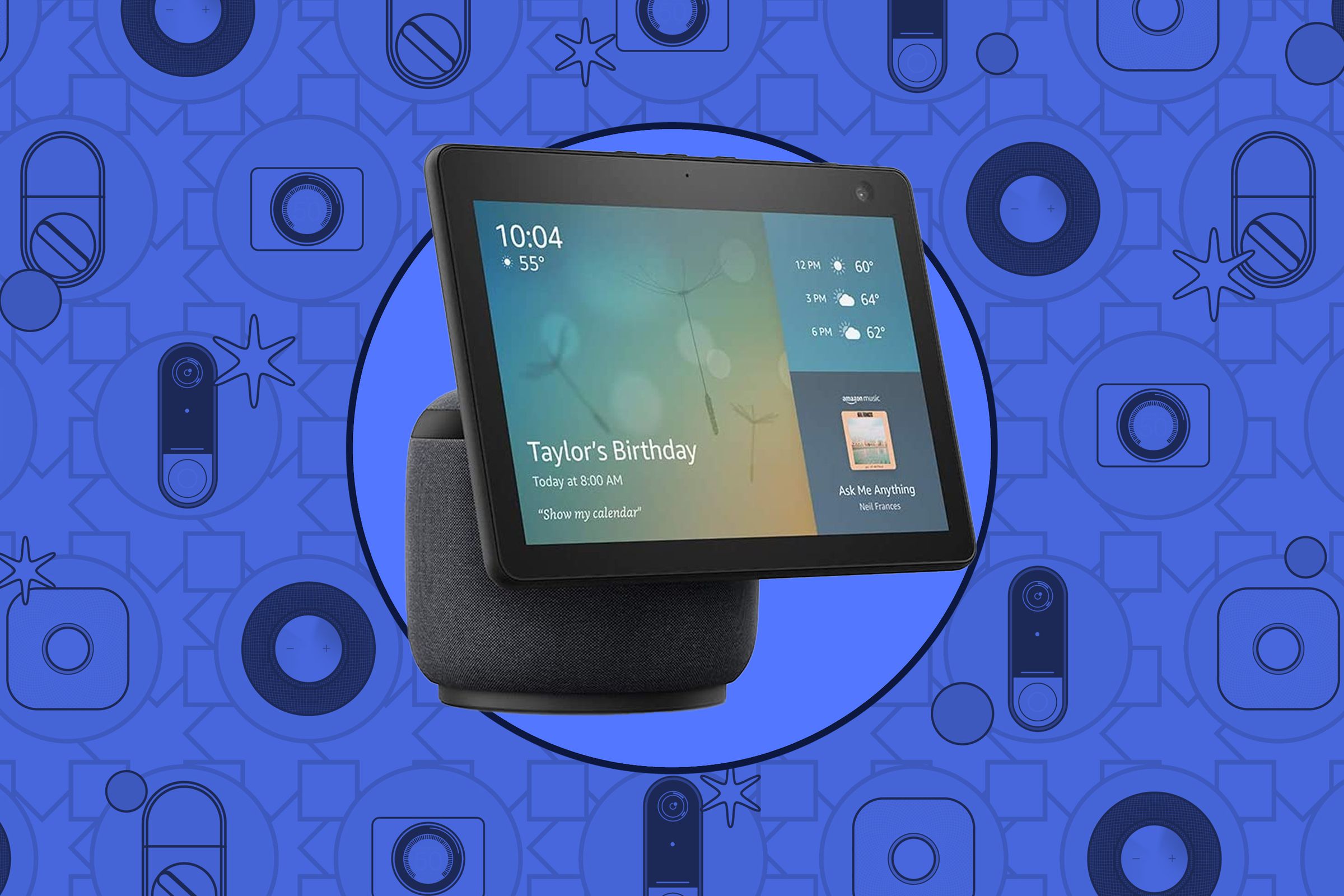
It was a quiet morning, the sun was shining, and Alexa was in a good mood (or at least it seemed that way). Carlos, a marketer with a passion for technology, decided it was time to brew his morning coffee. But instead of pressing buttons, turning on the coffee maker, and waiting patiently, he did what any tech enthusiast would do: “Alexa, start the coffee machine.” Ah, the power of voice. A simple command, and boom, coffee was on its way.
But what does this have to do with marketing? Well, let me tell you—the game has changed, folks. Voice is no longer just a means of communication between humans; it’s the new interface between us and technology. And if you’re not thinking about how this impacts your marketing strategy, you’re, as Uncle Ben would say, “missing the innovation train.”
The World According to Siri, Alexa, and Google Assistant
Imagine this: It’s 2024, and nearly half of your customers are using voice commands to search, shop, and live their digital lives. Yes, the same voice they use to argue with their dogs when they chew on shoes. Now, they’re saying things like, “Hey Google, where can I find the best running shoes near me?” or “Alexa, what deals are available on Amazon today?”
BAM, the power has shifted (literally). No more typing, no more scrolling through endless pages. Now, it all comes down to a conversation, and this is where voice search marketing comes into play.
Are You Speaking My Language?
To succeed in this new world, you need to learn how to “speak” the language of voice search. And no, I don’t mean yelling at your Google Home to get it to understand you (although, let’s be honest, we’ve all been there). I mean optimizing your content to answer your users’ questions exactly as they would ask them out loud.
How do you do that? Well, for starters, it’s time to embrace conversational keywords. Think about how people actually talk—they ask questions, use longer phrases, and expect quick, direct answers. So forget “best running shoes” and get ready for “What are the best running shoes in 2024?”
Tip: Think about what your audience might ask their voice assistant while lounging in pajamas on a Sunday morning. That’s the content you need to create.
You might be interested in: Artificial Intelligence and Marketing
SEO in the Era of Quick Answers
But here’s the fun part: voice search SEO isn’t the same old game. Instead of competing to be on the first page of Google, you’re now competing to be the only answer that a voice assistant provides.
“But wait,” you say, “How can I be the only answer?” The key is in featured snippets. Those little magical boxes that Google loves are the new Holy Grail of voice search marketing. If you can get your content selected as the featured snippet, congratulations! You’ve won the voice search lottery.
Play with keywords: think about direct questions and the best way to answer them. If you can answer a question in one line, you’re on the right track. And no, the answers don’t always have to be serious. Add a human touch, a bit of humor. Remember, it’s a conversation.
Final Reflection: Don’t Go Silent
So, what does all this mean for you? It means it’s time to sharpen your linguistic skills. Instead of just writing for the web, now you have to write for voice, for Siri, for Alexa, for Google. It’s a paradigm shift, and those who embrace it first will get the biggest piece of the pie.
Because at the end of the day, if Alexa can turn on your coffee machine with a simple phrase, why shouldn’t it be able to connect customers to your brand just as easily?
Applying GGyess to This Strategy
With GGyess, you can prepare content optimized for voice search, ensuring that your answers are the ones Siri, Alexa, and Google provide to their users. From creating snippets to strategically scheduling posts, GGyess helps you stay one step ahead in the voice search game.