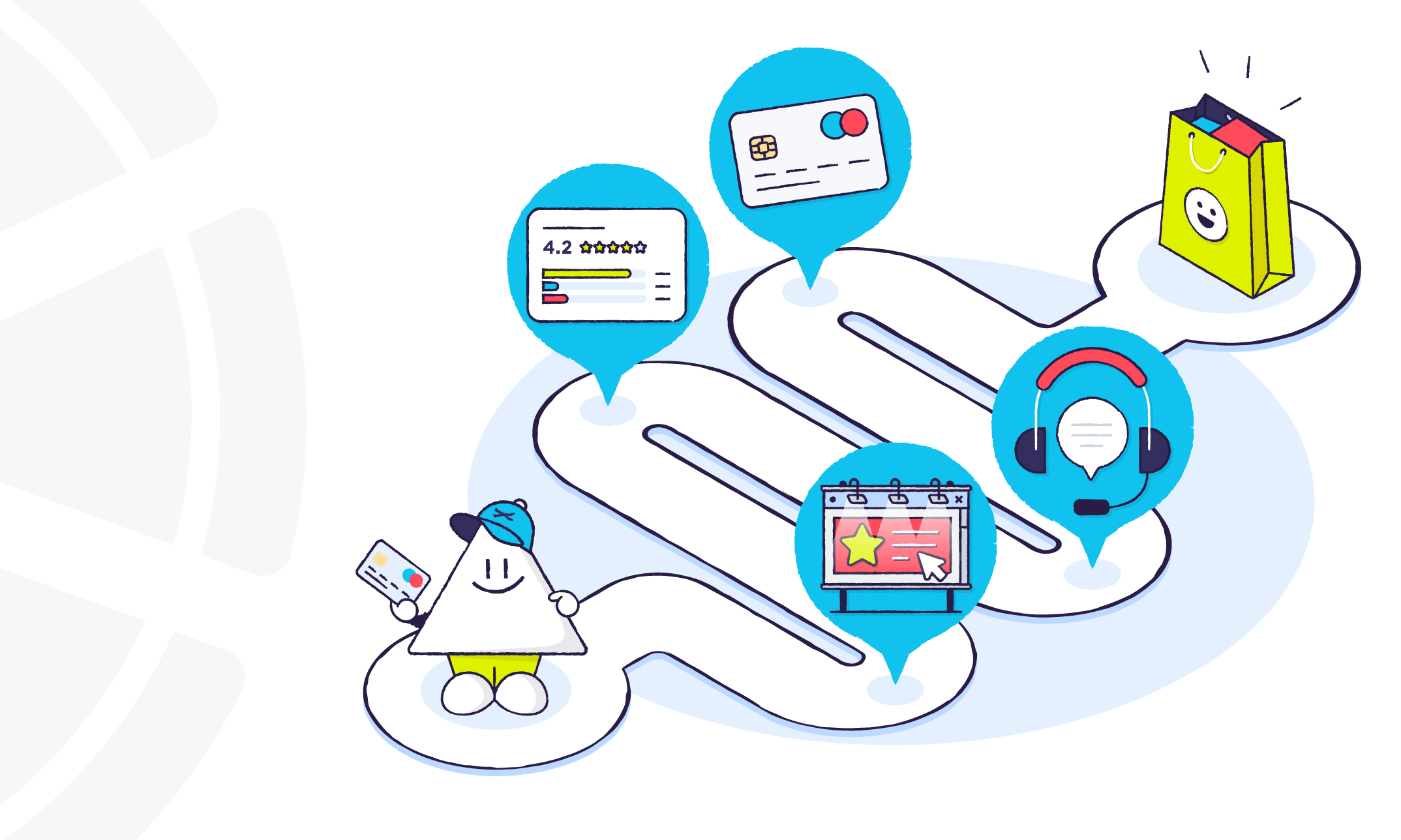
In the digital age, where access to information is literally in the palm of our hands, consumer behavior has evolved in fascinating ways. We no longer follow a linear path to purchase; Instead, we interact with brands through a series of “micro-moments” that define our decisions, preferences, and ultimately our actions. These ephemeral moments of interaction occur when consumers turn to their devices for quick answers, immediate solutions, or spontaneous inspiration.
The importance of understanding these micro-moments lies not only in their frequency, but in their power of influence. Each of them represents a unique opportunity for brands: a moment of truth where relevance, speed and personalization can turn a simple glance into a meaningful connection.
But what exactly are these micro-moments? According to Google, micro-moments can be divided into four main categories:
- I want to know: The user searches for general or specific information on a topic. You’re not always ready to buy, but you’re exploring possibilities.
- I want to go: The consumer wants to find a specific place, whether it is a local business or a nearby event.
- I want to do: At this time, the user is looking to learn something new or solve a practical problem.
- I want to buy: The customer is ready to make a purchase and is evaluating options.
Each of these micro-moments has its own dynamics, influenced by the context, the device used and the consumer’s expectations. For example, the “I want to know” moment may occur while someone is waiting for the bus, checking their phone for dinner recipes. On the other hand, the “I want to buy” moment could arise during a walk through the mall, where the customer compares prices online before making a purchase in the store.
The revolutionary thing about these micro-moments is that they have fragmented the traditional customer journey. It is no longer a well-defined funnel; Instead, we have a winding journey, full of touchpoints that brands must identify and leverage. This is where the digital strategy comes into play, with tools such as SEO, programmatic advertising, data-based personalization and artificial intelligence, to be present when the client needs us.
For businesses, ignoring micro-moments means missing out on valuable opportunities. What happens if you are not there when the customer needs information about your product? Or if your website takes too long to load and the user decides to look elsewhere? In a world where patience is a scarce resource and competition is just a click away, every second counts.
In this article, we will explore how to identify these micro-moments within the customer journey, what strategies to implement to make the most of them, and how to measure their impact on your business performance. Get ready to immerse yourself in an innovative approach that redefines the way we interact with our customers, offering more personalized, relevant and, above all, human experiences. Because at the end of the day, micro-moments aren’t just digital interactions; These are moments in which brands have the privilege of entering people’s lives and leaving a mark that transcends the immediate.
Let’s find out together!
The key to an unforgettable brand is here Click for more
Identifying micro-moments in the customer journey

Understanding micro-moments is the first step to effectively integrating them into a brand’s marketing strategy. But before designing concrete actions, it is essential to learn to identify them within the customer journey of our clients. This requires deeply analyzing their behaviors, needs and contexts to recognize those key interactions where a brand can make a difference.
1. Active listening and data analysis
Today more than ever, data is the map that guides our strategies. Analysis tools such as Google Analytics, social media tools and CRM (Customer Relationship Management) systems allow us to observe behavioral patterns, friction points and areas of opportunity. By analyzing navigation, search, geographic location data, and even the times in which users interact with your brand, it is possible to identify key moments in which people search for information, products or solutions.
For example, a recurring search for phrases like “how to choose the best mattress?” may indicate a micro-moment of type “I want to know”. On the other hand, a customer who repeatedly visits a product page without completing the purchase could be in a micro-moment. “I want to buy”, but you need more confidence or incentives to make the decision.
2. Segmentation by context
Not all micro-moments are the same for each audience segment. A young professional searching for “better productivity apps” has a different context than a parent searching for “how to entertain kids on a long trip.” They’re both in micro-moments like “I want to know”, but the answers they seek are totally different.
Therefore, segmenting your audience based on factors such as demographics, interests, and online behavior is essential. Likewise, the device context plays a crucial role: searches on a mobile phone are often associated with quick decisions, while on computers or tablets, users often explore options in greater depth.
3. Journey mapping and contact points
An effective approach to identifying micro-moments is to map your customers’ customer journey. This mapping must include:
- First interaction: How do they find your brand? Through a search, an ad or a recommendation?
- Consideration: What doubts do you have? What information do they look for before deciding?
- Purchase decision: What incentives lead them to take action? What barriers stop them?
- Loyalty: How do they interact with you after the purchase? What motivates them to return or recommend your brand?
Each stage of the journey is full of micro-moments that you can categorize into the four large groups we mentioned above: “I want to know,” “I want to go,” “I want to do,” and “I want to buy.” This analysis will allow you to discover unique opportunities to position your brand as the best answer at the right time.
4. Observation of behavior in real time
Consumer behavior is fluid and, many times, spontaneous. This is where technology plays an essential role. Tools such as real-time analysis of interactions on social networks or chatbots with artificial intelligence can help you detect and respond to micro-moments the moment they occur.
For example, imagine a customer posts a tweet asking where to find a vegan restaurant near their location. If your business can respond in real time with a relevant suggestion, you’ve won a micro-moment. “I want to go” organically and effectively.
5. Empathy: Connect with the “why”
Beyond data, identifying micro-moments requires putting yourself in your customers’ shoes. What drives them to act? Is it an urgent need, a desire to improve something in your life or a search for inspiration? These emotional motivations are the driving force behind each interaction and must be at the center of your analysis.
For example, a person searching for “healthy dinner ideas” doesn’t just want recipes; You may also be looking to improve your quality of life or take care of your family. understand this “because” allows you to personalize your response, offering something more valuable than a simple solution: a meaningful experience.
Strategies to take advantage of micro-moments

Once the key micro-moments in the customer journey are identified, the next step is to design strategies that allow brands to be present effectively and convert those moments into real connection opportunities. However, it is not enough to simply “be there”; brands must respond quickly, accurately and relevantly. Below we explore how to do it:
1. Be quick: Immediacy is everything
In micro-moments, consumers look for immediate answers. If your brand can’t deliver what they need in seconds, they’ll probably look elsewhere. This makes speed crucial, both in the loading of your website and in the accessibility of the information.
- Mobile Optimization: Since most micro-moments occur on smartphones, make sure your site is fully responsive, with loading times under 3 seconds.
- Short and direct content: Answers should be concise. For example, a page that answers “how to choose the best mattress” should include a clear list and additional links to go deeper.
- Intelligent automation: Implementing chatbots that provide basic information or resolve common questions can be a great advantage.
2. Personalize the experience
Not all consumers have the same needs, even if they are in the same type of micro-moment. This is where personalization comes into play, using previous data and behaviors to deliver tailored content and recommendations.
- Data-driven recommendations: If a customer searched for sneakers on your site, be sure to show them related options when they return.
- Audience segmentation: Use tools like personalized emails or push notifications to respond to specific micro-moments, like offers for products a customer has been browsing.
- Geolocation: Offering relevant suggestions based on the user’s location, such as promotions at a nearby store, is a great way to capture micro-moments like “I want to go.”
3. Create relevant and specific content
Content is the bridge between your brand and the customer during a micro-moment. The key is to anticipate what your audience might be searching for and create content that addresses those needs.
- Make use of smart SEO: Identify keywords related to your audience’s micro-moments and optimize your pages and blogs for top answers in search engines.
- Quick Tutorial Videos: In micro-moments “I want to do,” Short videos that explain how to solve a problem or learn something new are highly effective. For example, a “how to fix a broken lamp” tutorial can position your brand as a tool expert.
- Engaging visual content: Images, infographics or GIFs can convey quick information and capture the attention of users on the go.
4. Invest in targeted advertising
Platforms like Google Ads, Facebook Ads, and even TikTok offer advanced options to engage consumers in specific micro-moments. With well-designed strategies, you can guarantee that your brand is present at the exact moment.
- Intent-based campaigns: Use search ads to appear in specific results when consumers search for solutions related to your products or services.
- Remarketing: Capture users who have previously interacted with your brand, reminding them of their interest at key moments, such as before making a purchasing decision.
- Local advertising: The micro-moments “I want to go” They can benefit from location-based ads, showing nearby and relevant options.
5. Maintain authenticity and value
Consumers can easily detect when a brand is opportunistic or insincere. In micro-moments, authenticity is essential to building trust and credibility.
- Responds to real needs: Don’t use clickbait tactics or superficial information. Make sure your content or product is truly useful.
- Create trust through transparency: In a micro-moment “I want to buy,” Showing clear reviews, warranties, and return policies can make all the difference.
6. Constantly measure, optimize and improve
Taking advantage of micro-moments is not a one-time effort. Consumer needs evolve, and your strategies must too. Use analytical tools to measure how effective your responses are in each micro-moment.
- A/B testing: Experiment with different versions of ads, landing pages, or messages to identify what works best.
- ROI Analysis: Calculate the ROI of your strategies in specific micro-moments and adjust your priorities based on the results.
- Real-time feedback: Use quick surveys or rating systems to understand how you can improve interactions with your customers.
Strategies to take advantage of micro-moments

Once the key micro-moments in the customer journey are identified, the next step is to design strategies that allow brands to be present effectively and convert those moments into real connection opportunities. However, it is not enough to simply “be there”; brands must respond quickly, accurately and relevantly. Below we explore how to do it:
1. Be quick: Immediacy is everything
In micro-moments, consumers look for immediate answers. If your brand can’t deliver what they need in seconds, they’ll probably look elsewhere. This makes speed crucial, both in the loading of your website and in the accessibility of the information.
- Mobile Optimization: Since most micro-moments occur on smartphones, make sure your site is fully responsive, with loading times under 3 seconds.
- Short and direct content: Answers should be concise. For example, a page that answers “how to choose the best mattress” should include a clear list and additional links to go deeper.
- Intelligent automation: Implementing chatbots that provide basic information or resolve common questions can be a great advantage.
2. Personalize the experience
Not all consumers have the same needs, even if they are in the same type of micro-moment. This is where personalization comes into play, using previous data and behaviors to deliver tailored content and recommendations.
- Data-driven recommendations: If a customer searched for sneakers on your site, be sure to show them related options when they return.
- Audience segmentation: Use tools like personalized emails or push notifications to respond to specific micro-moments, like offers for products a customer has been browsing.
- Geolocation: Offering relevant suggestions based on the user’s location, such as promotions at a nearby store, is a great way to capture micro-moments like “I want to go.”
3. Create relevant and specific content
Content is the bridge between your brand and the customer during a micro-moment. The key is to anticipate what your audience might be searching for and create content that addresses those needs.
- Make use of smart SEO: Identify keywords related to your audience’s micro-moments and optimize your pages and blogs for top answers in search engines.
- Quick Tutorial Videos: In micro-moments “I want to do,” Short videos that explain how to solve a problem or learn something new are highly effective. For example, a “how to fix a broken lamp” tutorial can position your brand as a tool expert.
- Engaging visual content: Images, infographics or GIFs can convey quick information and capture the attention of users on the go.
4. Invest in targeted advertising
Platforms like Google Ads, Facebook Ads, and even TikTok offer advanced options to engage consumers in specific micro-moments. With well-designed strategies, you can guarantee that your brand is present at the exact moment.
- Intent-based campaigns: Use search ads to appear in specific results when consumers search for solutions related to your products or services.
- Remarketing: Capture users who have previously interacted with your brand, reminding them of their interest at key moments, such as before making a purchasing decision.
- Local advertising: The micro-moments “I want to go” They can benefit from location-based ads, showing nearby and relevant options.
5. Maintain authenticity and value
Consumers can easily detect when a brand is opportunistic or insincere. In micro-moments, authenticity is essential to building trust and credibility.
- Responds to real needs: Don’t use clickbait tactics or superficial information. Make sure your content or product is truly useful.
- Create trust through transparency: In a micro-moment “I want to buy,” Showing clear reviews, warranties, and return policies can make all the difference.
6. Constantly measure, optimize and improve
Taking advantage of micro-moments is not a one-time effort. Consumer needs evolve, and your strategies must too. Use analytical tools to measure how effective your responses are in each micro-moment.
- A/B testing: Experiment with different versions of ads, landing pages, or messages to identify what works best.
- ROI Analysis: Calculate the ROI of your strategies in specific micro-moments and adjust your priorities based on the results.
- Real-time feedback: Use quick surveys or rating systems to understand how you can improve interactions with your customers.
Success stories and conclusion: Mastering micro-moments
To understand the true impact of micro-moments on the customer journey, there is nothing better than analyzing specific cases where brands have known how to be present, respond with relevance and transform those fleeting moments into significant opportunities.
1. Nike: Personalization and immediate action
Nike identified that micro-moments “I want to do” They are common among its consumers, especially those interested in fitness. To take advantage of these moments, he launched his app Nike Training Club, offering personalized workouts and quick routines according to the user’s goals. The brand managed to not only be present, but also guide the consumer towards a practical and valuable experience that reinforces their emotional connection with the brand.
Key to success: They integrated data on user habits and translated it into immediate solutions, fostering loyalty and trust.
2. Sephora: Mobile micro-moments for purchasing decisions
Sephora detected that its customers often research products while they are in physical stores, that is, a micro-moment “I want to buy.” To capitalize on this behavior, they implemented an augmented reality system in their app that allows users to “try on” makeup virtually. In addition, the app includes personalized reviews and recommendations based on previous searches.
Result: Sephora transformed a micro-moment of indecision into an act of purchase, improving the customer experience and increasing sales in its stores.
3. Starbucks: Turning “I want to go” into rewards
Starbucks understood that consumers on the go often look for nearby locations to satisfy their desire for coffee or snacks. Through its app, users can not only find the nearest store, but also place pre-orders and accumulate reward points.
Impact: This approach not only responds to the micro-moment “I want to go”, but rather creates an incentive for future interactions, promoting long-term loyalty.
Conclusion: Turning fleeting moments into lasting relationships
Micro-moments are the essence of modern marketing. They represent an unprecedented opportunity for brands to connect with their consumers in real time, offering relevant solutions and building relationships that go beyond a simple transaction. However, taking advantage of these moments requires a combination of clear strategies, advanced technological tools and, above all, a genuine focus on customer needs.
To recap:
- Identify key micro-moments in the customer journey through data and analysis of consumer behavior.
- Design specific strategies that combine speed, personalization and relevant content.
- Use technology as an enabler, from mobile applications to artificial intelligence, to be present at the right moment.
- Learn from success stories and constantly innovate, adapting your actions to changes in consumer behavior.
How can GGyess help you master micro-moments?
GGyess becomes the perfect ally to manage these micro-moments in the customer journey thanks to its powerful planning, programming and analysis tools. With GGyess, you can:
- Automate relevant posts: Plan content focused on each stage of the journey and make sure you are present at the right time with personalized and segmented messages.
- Manage teams in real time: Thanks to the function of custom roles and permissions, efficiently coordinate your teams so that they respond to micro-moments as quickly as they require.
- Take advantage of artificial intelligence: Generate copy and creative adapted to the needs of each user, optimizing your communication in key micro-moments.
- Get clear and detailed data: Analyze the impact of your strategies through detailed reports that allow you to adjust and optimize your efforts.
Finally, remember that every micro-moment is an opportunity to leave a mark. With GGyess, you will not only have the tools to be present in these moments, but you will also be able to transform each interaction into a meaningful experience that reinforces the loyalty and impact of your brand. Make every micro-moment count!
Get started with GGyess today and schedule your success. Start your trial here.