
Introduction: In today’s world, where digital commerce continues to grow, digital marketing has become a fundamental pillar for companies looking to increase their sales. Beyond having an online presence, digital marketing allows you to reach the right audience, build relationships, and guide potential customers through their buying journey. In this blog, we’ll explore effective strategies you can use to sell more using digital marketing tools and techniques, from driving traffic to converting leads into loyal customers.
1. Know Your Target Audience
Specific Segmentation: For a digital marketing strategy to succeed, it’s crucial to know your target audience. This means understanding who they are, what they like, what their needs are, and where they spend time online. Audience analysis tools and demographic data can help you refine this information.
Create Buyer Personas: Develop detailed profiles of your ideal customers based on real data and behavior patterns. This profile should include aspects like their pain points, desires, and goals, helping you personalize your messages and choose the correct platforms to reach them.

2. Optimize Your Website for Conversion
User-Centered Design: Your website should be easy to navigate and visually appealing. Users who can’t find what they’re looking for quickly tend to leave, which negatively impacts sales. Optimize your website’s design so visitors can find the information and products they need without hassle.
Clear Calls to Action (CTA): Place strategic CTAs throughout your site to guide visitors towards the desired action, whether signing up, subscribing, or making a purchase. Phrases like “Buy Now,” “Subscribe for a Discount,” or “Learn More” motivate users to take the next step.
3. SEO and Content to Attract Organic Traffic
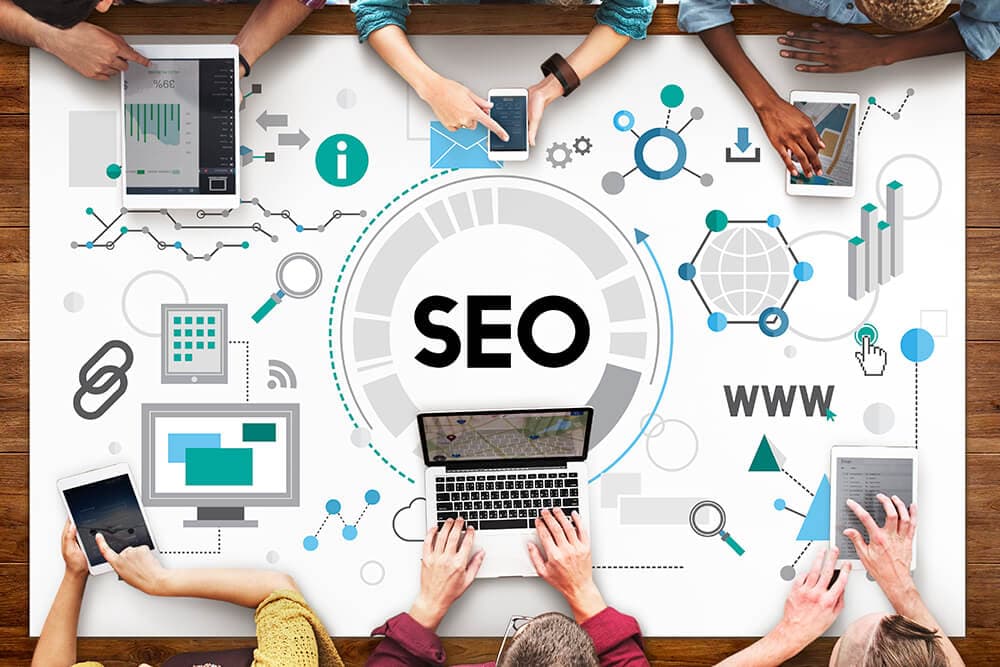
Search Engine Optimization (SEO): Increasing sales involves attracting more people to your website, and one of the most effective ways to do this is by optimizing your content for Google’s search results. Research keywords relevant to your business and use them in your product descriptions, blogs, and other site pages.
Create Valuable Content: Generate educational and informative content that attracts your audience and answers their questions. Publishing blog articles, videos, and practical guides positions you as an expert in your field, increasing the likelihood that users will consider your brand when they’re ready to buy.
4. Leverage the Power of Social Media
Choose the Right Platforms: Not all social networks are equally effective for every type of business. Analyze where your audience is and focus your efforts on the platforms where they spend most of their time. Instagram and Facebook are ideal for B2C, while LinkedIn is better suited for B2B.
Engaging and Consistent Content: Post regularly and ensure your content is designed to capture attention. Use high-quality images, engaging videos, stories, and posts that invite interaction. Social media is a great tool for building relationships and fostering brand loyalty, which contributes to long-term sales.
5. Digital Advertising to Increase Reach
Targeted Ads to Reach the Right Audience: Digital advertising platforms like Facebook Ads and Google Ads allow precise audience targeting. You can direct your ads to people who have visited your site, those interested in your products, or users in a specific geographic area.
Retargeting to Remind Visitors: Retargeting allows you to show ads to people who have already interacted with your brand but haven’t completed a purchase. This strategy is especially useful, as most users don’t buy on their first visit. Retargeting reminds them of the products they viewed, increasing the likelihood that they’ll return to complete the purchase.

6. Email Marketing to Maintain Interest
Qualified Subscriber List: Email marketing remains one of the most effective strategies for increasing sales. Build a list of subscribers interested in your products with subscription forms on your website, and regularly send them valuable content.
Segmented Email Campaigns: Not all subscribers are at the same stage of the buying process, so it’s important to segment your list and send suitable content to each group. For example, you can send discounts to users who haven’t bought yet or thank-you emails to repeat customers. Tools like GGyess facilitate segmentation and analysis of email campaigns for better results.
7. Automation to Improve Efficiency
Automate Repetitive Tasks: Automation is an excellent way to save time and optimize resources in digital marketing. You can schedule automatic welcome, follow-up, or abandoned cart recovery emails, providing personalized attention without constant manual effort.
Comprehensive Management Tools: Platforms like GGyess make it easy to manage your social media, schedule posts, and analyze performance. This lets you focus on strategy and content without worrying about repetitive tasks, optimizing time and resources.
.jpg)
8. Build Trust with Social Proof and Reviews
Incorporate Testimonials and Reviews on Your Website: Testimonials from satisfied customers or product reviews generate trust among new visitors. When users see that others have had positive experiences, they’re more likely to feel secure buying from your store.
Customer Posts on Social Media: If customers share photos or comments about your products on social media, repost them (with permission) on your profile. This not only reinforces your brand’s credibility but also motivates other customers to interact and share their experiences.
You might be interested in : Digital Branding on Social Media: Building a Strong and Consistent Brand Image
9. Measuring and Analyzing Results
Monitor Your Key Metrics: To know which strategies are working, it’s essential to measure the performance of your digital marketing campaigns. Important metrics include conversion rate, cost per acquisition, web traffic, and social media engagement.
Adjust Your Strategy Based on Data: Analyzing data allows you to make real-time adjustments to improve results. If a particular strategy isn’t generating sales, you can try another approach or invest more in the tactics that are working. GGyess also offers social media analytics tools to help you visualize your results and adjust your strategy accordingly.
10. Customer Loyalty: Sell More with Repeat Customers
Offer Loyalty Programs: A repeat customer is more valuable to your business than a new one. Implementing a loyalty program that offers exclusive benefits, discounts, or rewards to loyal customers can encourage repeat purchases and strengthen customer relationships.
Post-Sale Support: Keep in touch with your customers after the sale. You can send them a thank-you email, ask about their experience with the product, or inform them about new launches and promotions. This shows you value their purchase and increases the likelihood of future sales.
Conclusion: Selling more with digital marketing requires a combination of carefully planned strategies and the ability to adapt to consumers’ changing needs. From attracting traffic through SEO and social media to automation and results analysis, each step is essential to boost sales and build a solid relationship with your audience. With tools like GGyess, you can optimize every aspect of your campaigns and maximize the impact of your digital marketing efforts. Remember, selling more isn’t just about attracting new customers but building a base of loyal customers who support your brand in the long run. Start today and see how digital marketing transforms your sales!