
Introduction: Color is a powerful tool in the world of digital marketing. It not only enhances the aesthetics of a post but also has a profound impact on the emotions and purchasing decisions of consumers. This blog explores how different colors can influence user perception and behavior, and how businesses can use this knowledge to strengthen their social media marketing strategy.
1. Color Psychology in Marketing:
- Importance of Color: Each color evokes a specific set of emotions and cultural connotations. Understanding color psychology can help brands convey their message more effectively and emotionally connect with their audience.
- Influence on Brand Perception: Colors not only attract attention but also play a crucial role in how consumers perceive a brand. For example, blue can evoke trust and security, while red can increase energy and urgency.
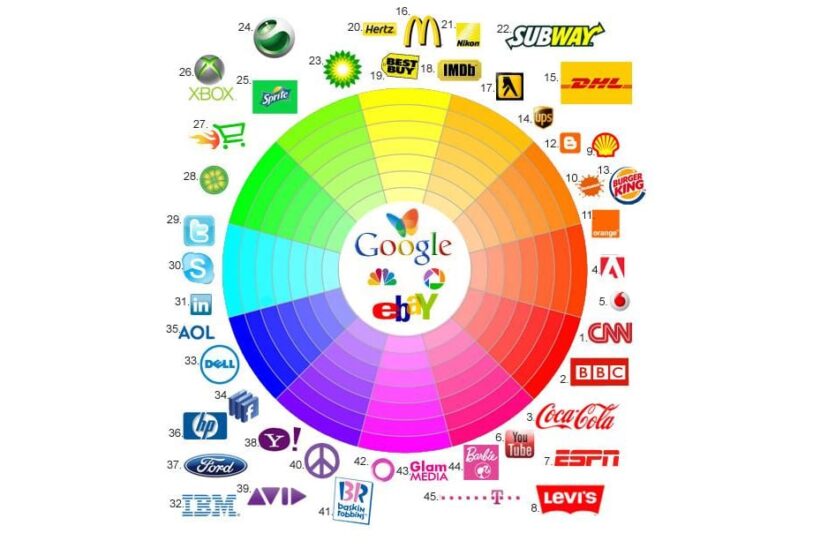
2. Choosing Colors for Different Goals:
- Increasing Engagement: Bright colors like red, orange, and yellow are effective for capturing attention and can be used to drive interactions in posts where engagement is the main goal.
- Promoting Calmness and Trust: Softer tones like blue and green are ideal for brands that want to project reliability, calmness, and growth.
3. Colors and Visual Culture on Social Media:
- Trends and Context: Color preferences can vary based on cultural trends and the social media platform. For example, pastel tones may resonate better on Instagram, which lends itself to a softer and more artistic aesthetic.
- Consistency and Branding: Maintaining a consistent color palette across all posts helps reinforce the brand’s visual identity, making the posts instantly recognizable to the audience.
4. Testing and Optimizing Colors:
- Experimentation: It’s crucial to test different color combinations in posts to see what works best with the target audience. Analytical tools can show how color changes affect the performance of posts.
- Data-Driven Adaptation: Using data to adapt the color palette can significantly improve the effectiveness of digital marketing campaigns.
5. The Impact of Colors on Conversion:
- Calls to Action: Specific colors in call-to-action (CTA) buttons can increase conversion rates. For example, an orange button may be more effective than a blue one, depending on the context and background of the page.
6. Integration with Digital Management Tools:
- Analysis with Platforms like GGyess: While tools like GGyess do not directly determine which colors to use, they can provide valuable insights into how color choices affect the overall performance of posts and user interaction. This information can be crucial in refining visual content strategies.
Conclusion: The choice of colors in your posts not only defines the aesthetics of your content but also influences how users interact with it. Understanding and applying color psychology can transform your marketing strategies, making your campaigns more emotionally resonant and effective. As you integrate these insights with the analytical capabilities of platforms like GGyess, you will be better equipped to create content that not only grabs attention but also fosters a deeper connection with your audience.
You might also be interested in: Using Pinterest for Marketing