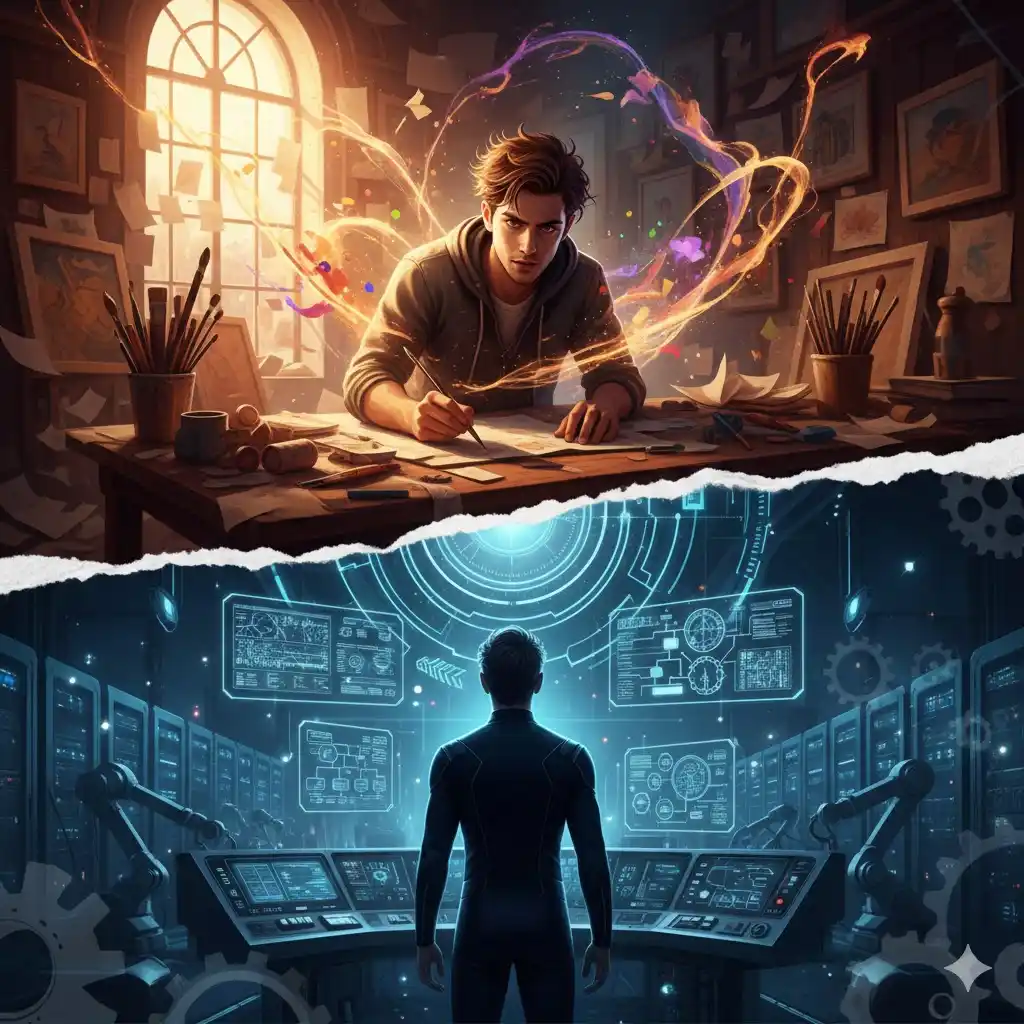
Inspired by Chapter 3 of “The Monk Who Sold His Ferrari”: The Miraculous Transformation of Julian Mantle Imagine running into an old college friend. The last time you saw him, he was running his marketing agency with…
Inspired by Chapter 2 of “The Monk Who Sold His Ferrari”: The Mysterious Visitor It’s Tuesday afternoon. You’re in your office. The usual chaos surrounds you: notifications blinking, a to-do list that seems to grow…
Inspired by Chapter 1 of “The Monk Who Sold His Ferrari”: The Wake-Up Call Picture the scene. A packed courtroom. The air is thick, charged with tension and ambition. In the center of it all stands Julian Mantle, a…
Imagine for a moment that your mind is a room. Right now, that room has windows open where papers are flying in, the phone won’t stop ringing, there are sticky notes glued to the ceiling, and in a corner, a pile of…
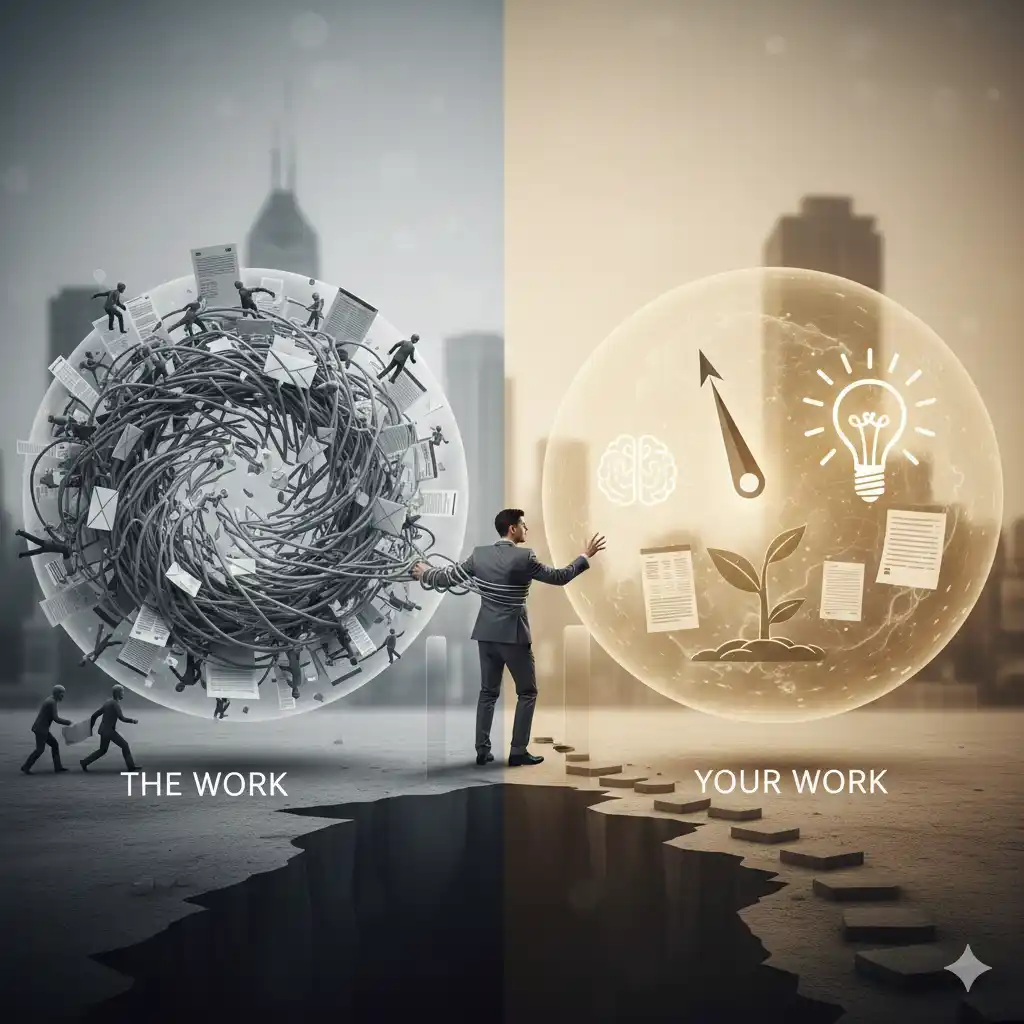
There is a persistent fantasy in modern work culture that glorifies the heroic individual. We like to imagine the ultra-productive leader as a lone wolf, a craftsman who polishes every detail with their own hands…
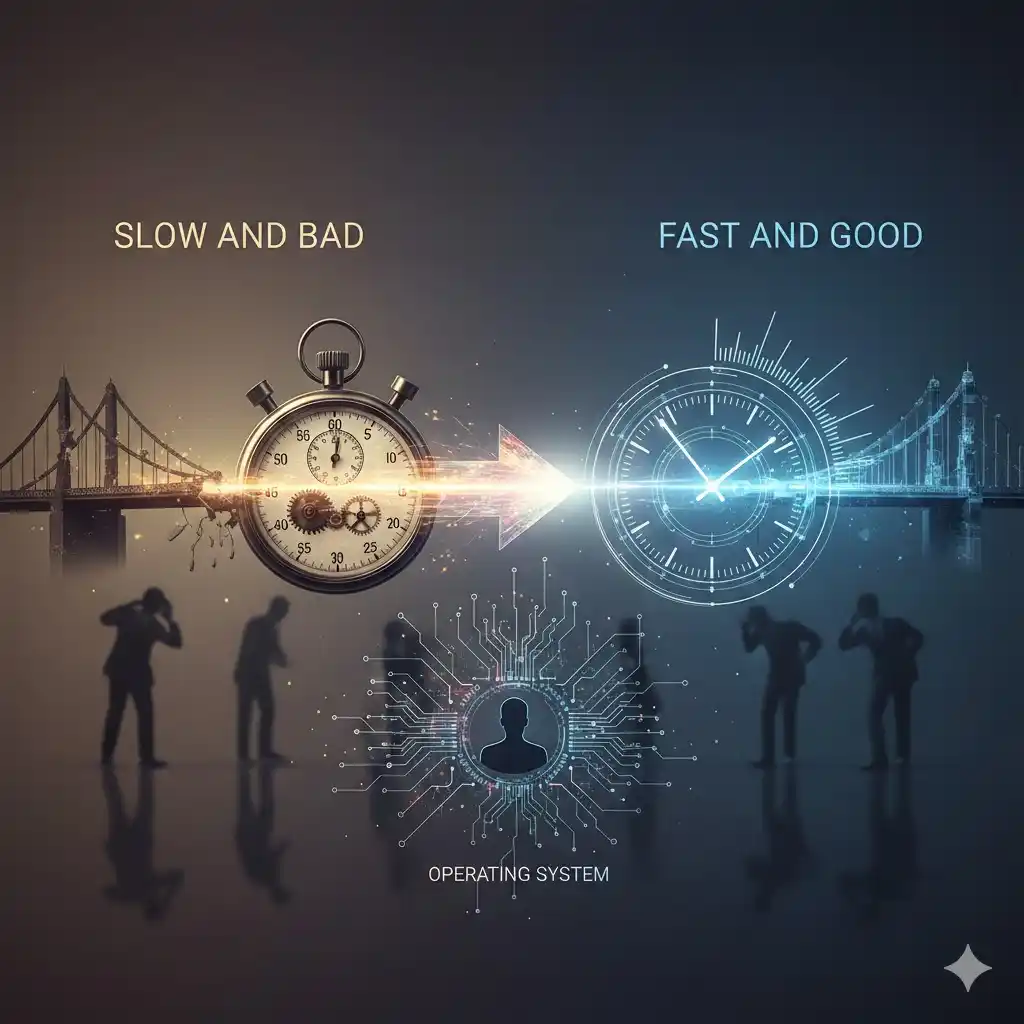
In the business world, there’s a persistent myth: “If you want it fast, it will be bad. If you want it good, it will be slow.” We’ve been taught that speed and quality are enemies. But in today’s economy—where…
We live in the cruelest paradox of modern work. We carry devices in our pockets with more processing power than NASA had in 1969. We have apps for everything. We can connect with anyone on the planet in milliseconds.…
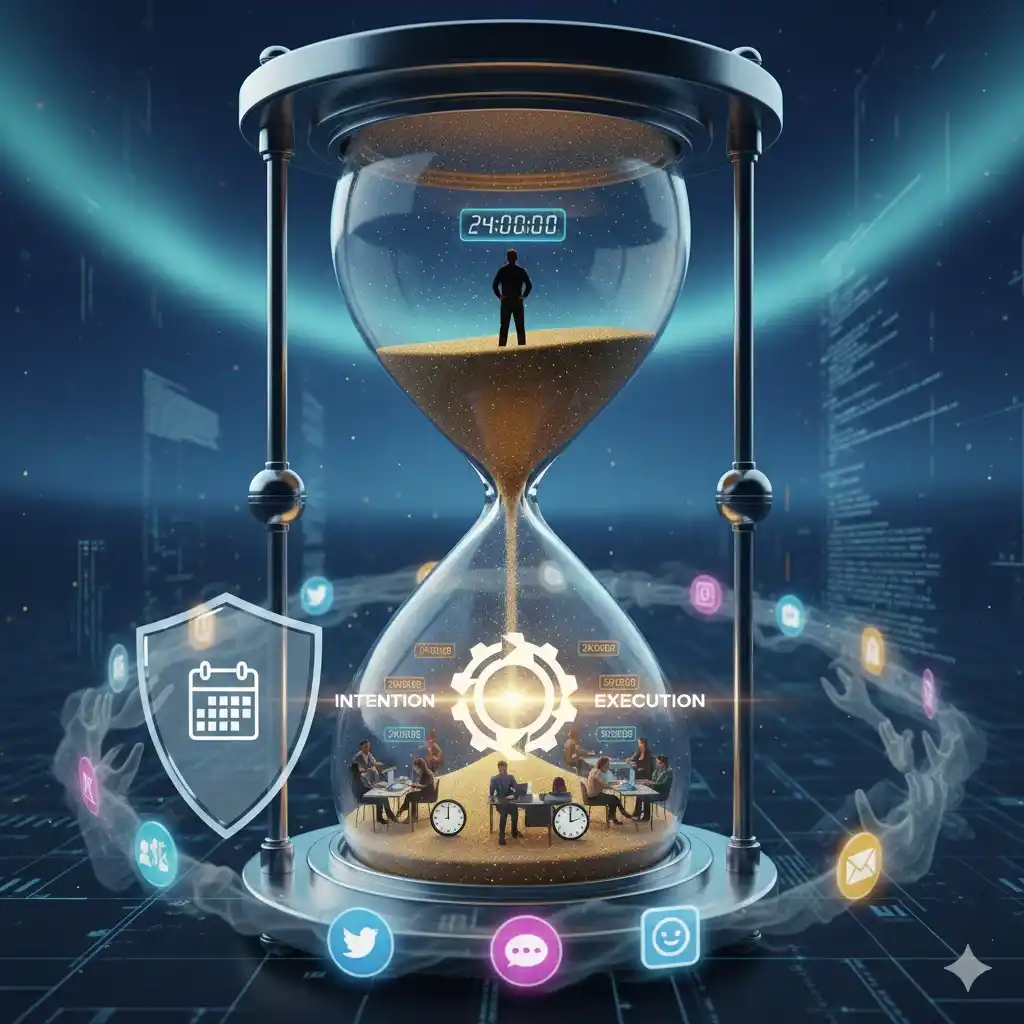
Time is the only truly democratic resource. Elon Musk has 24 hours. You have 24 hours. The difference between massive success and mediocrity isn’t having more time (impossible), but having more control over it. In…
We live in a culture that has fetishized busyness. Ask someone “How are you?” and the default answer is a sigh followed by “Swamped.” We wear the word work like a protective shield against irrelevance. But what if I…
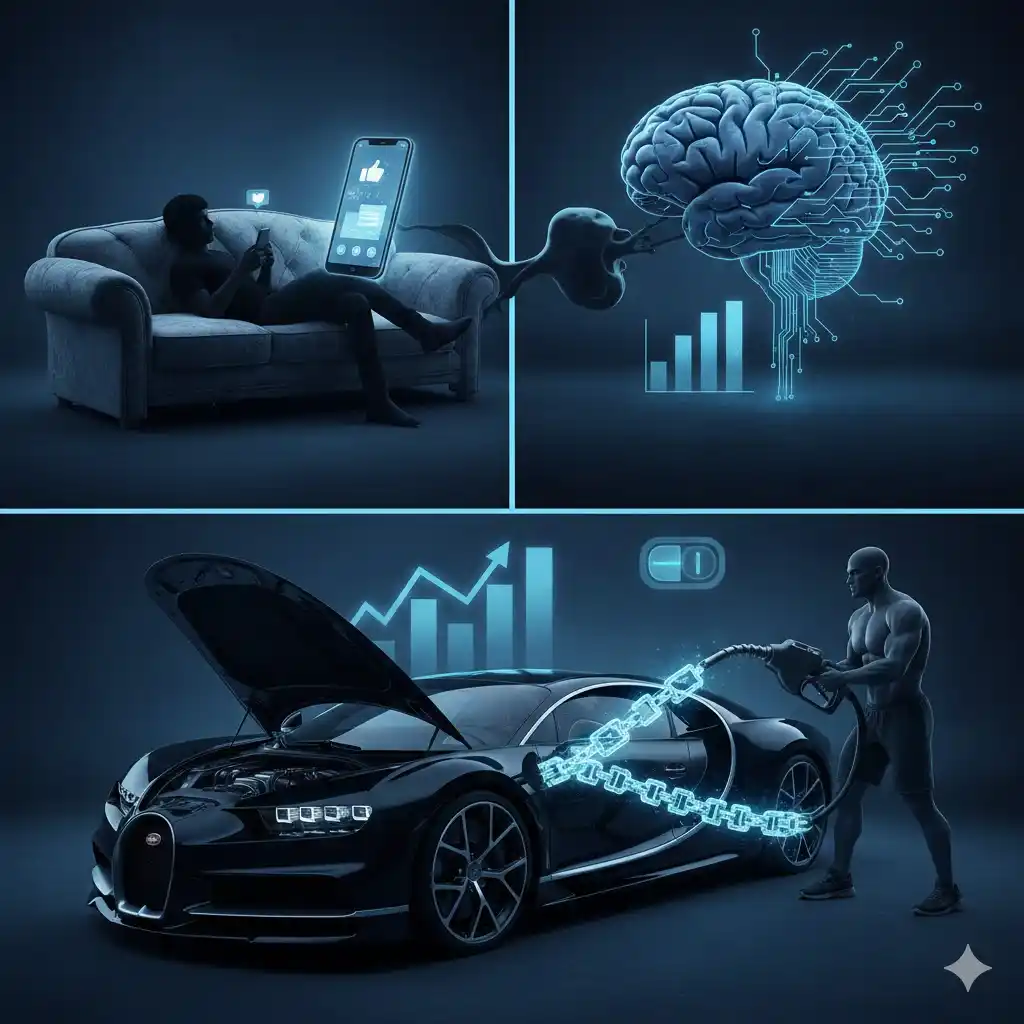
In the previous chapter, we established that willpower is overrated and that systems are the true architecture of success. But even the most perfect system is like a luxury sports car parked in the garage: a…
There’s a romantic lie at the heart of entrepreneurship and high performance. We like to believe success comes from iron willpower, unstoppable motivation, or innate talent. We imagine the genius working in creative…
We live in a culture that confuses movement with progress. We celebrate being “busy.” We brag about calendars packed with colorful blocks, as if meeting-Tetris were a signal of success. Yet deep down, many…
If you’ve ever opened an email, skimmed it, felt a twinge of confusion or laziness, and then marked it as “unread” so you can deal with it “later,” you’ve personally experienced the deepest crisis of the modern…
If you paused for a moment, closed your eyes, and listened to the background noise of your life, you probably wouldn’t hear silence. You’d hear a hum. A barely perceptible vibration, a static tension that settles at…
In the business world, there is a degenerative disease that affects the vision of corporate leaders. It’s called “competitive myopia.” It is the natural, almost instinctive tendency to look sideways and obsess only…
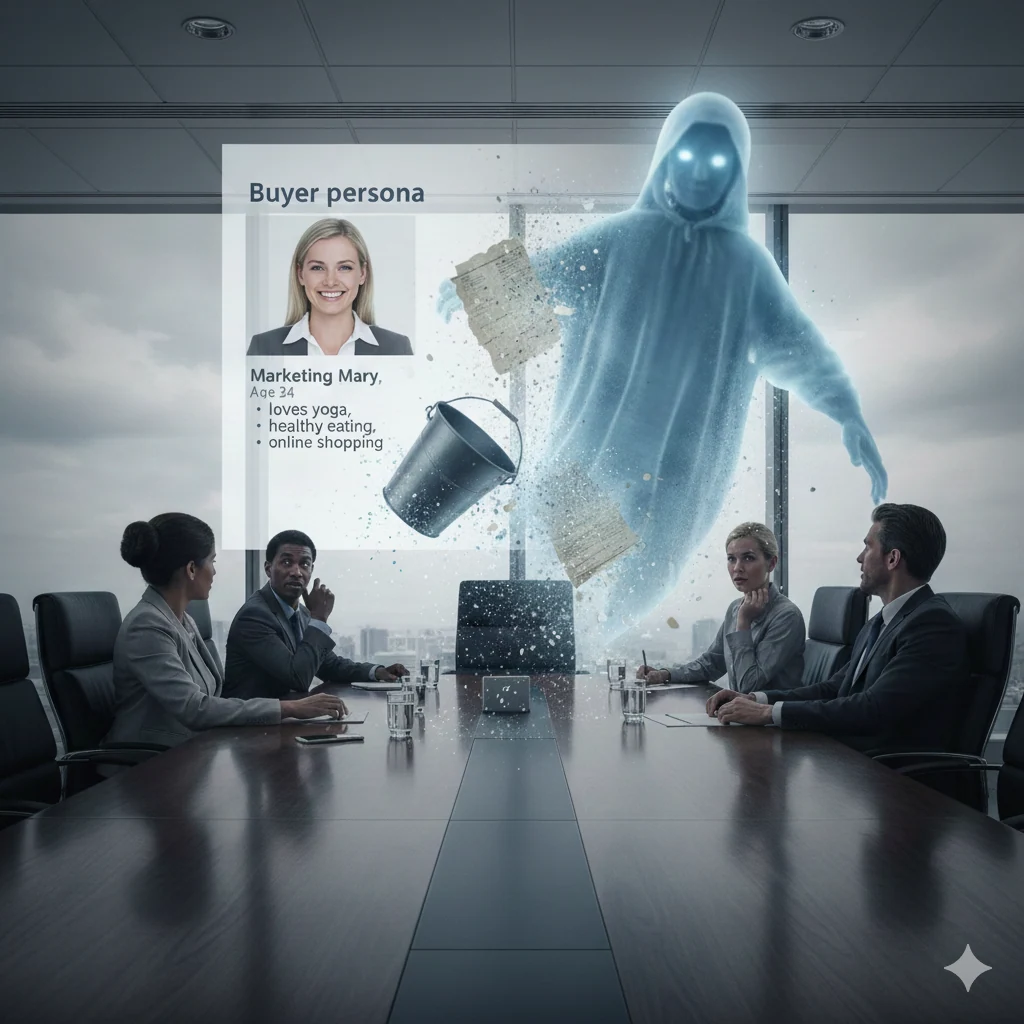
Most companies operate under a dangerous illusion. In boardrooms, executives nod confidently when discussing the “target customer.” They have buyer personas with fictional names and stock photos pinned to the wall.…
In corporate hallways and small-business boardrooms alike, there is a silent disease that often disguises itself as a virtue. It looks like ambition. It sounds like “wanting to reach more people.” It feels like “not…
Since 2007, we’ve lived under the tyranny of glass. When Steve Jobs introduced the iPhone, he taught us to interact with the digital world by touching a screen. It was revolutionary, yes—but also limiting. Today,…
Douglas Lux
GGyess WorkSuite
Give your next idea a place to grow.
Explore a connected space for tasks, projects, teams, and files.
With your permission, we measure how articles are read and links are used to improve this blog. Analytics is optional: you can read everything if you decline. We remember your choice for up to 180 days. Privacy notice