

Why You Work More but Feel Like You Achieve Less (The Drucker Challenge)
If you’ve ever opened an email, skimmed it, felt a twinge of confusion or laziness, and then marked it as “unread” so you can deal with it “later,” you’ve personally experienced the deepest crisis of the modern economy. It’s not that you’re lazy. It’s not that you lack discipline. It’s that you’re caught in the…
 Douglas Lux
Why Your Brain Interprets Your Inbox as a Deadly Predator
If you paused for a moment, closed your eyes, and listened to the background noise of your life, you probably wouldn’t hear silence. You’d hear a hum. A barely perceptible vibration, a static tension that settles at the base of your neck or in the pit of your stomach. It’s the persistent feeling that you’re…
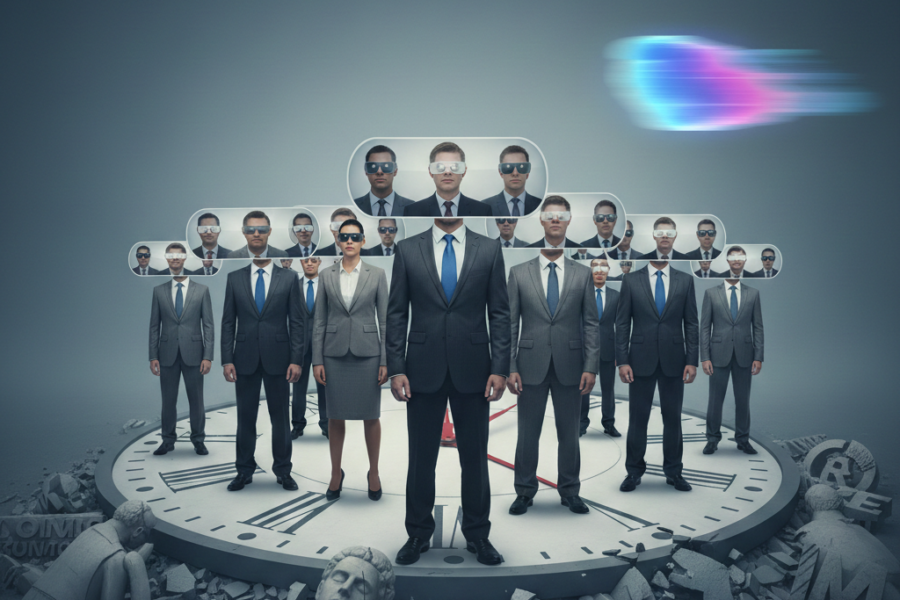
Why Your Biggest Threat Isn’t Who You Think (and How to Avoid Being Buried)
In the business world, there is a degenerative disease that affects the vision of corporate leaders. It’s called “competitive myopia.” It is the natural, almost instinctive tendency to look sideways and obsess only over rivals who look like us, who sell what we sell, and who play by the same rules. It’s a dangerous comfort…

Why You Think You Know Your Customer (and Why You’re Probably Wrong)
Most companies operate under a dangerous illusion. In boardrooms, executives nod confidently when discussing the “target customer.” They have buyer personas with fictional names and stock photos pinned to the wall. They believe they know who buys from them. But Philip Kotler, in his diagnosis of the second deadly sin of marketing, throws a bucket…

Why Your Obsession with Selling to “Everyone” Is Exactly What’s Ruining You
In corporate hallways and small-business boardrooms alike, there is a silent disease that often disguises itself as a virtue. It looks like ambition. It sounds like “wanting to reach more people.” It feels like “not leaving money on the table.” We see companies working frenetically, launching competent products, building aggressive sales teams—and yet watching their…

When Walls Have Eyes and Stores Read Your Mind
Since 2007, we’ve lived under the tyranny of glass. When Steve Jobs introduced the iPhone, he taught us to interact with the digital world by touching a screen. It was revolutionary, yes—but also limiting. Today, when we walk into a café or a store, the first thing we do is lower our heads and look…

Why “Digital Fatigue” Is Killing Your Marketing — and Why a Multisensory Approach Is the Only Antidote
Imagine being forced to run a marathon using only two muscles in your body. The rest must remain completely still. By the end of the day, those two muscles would be torn, exhausted, and in pain, while the rest of your body would be atrophied. That is exactly what modern life is doing to our…
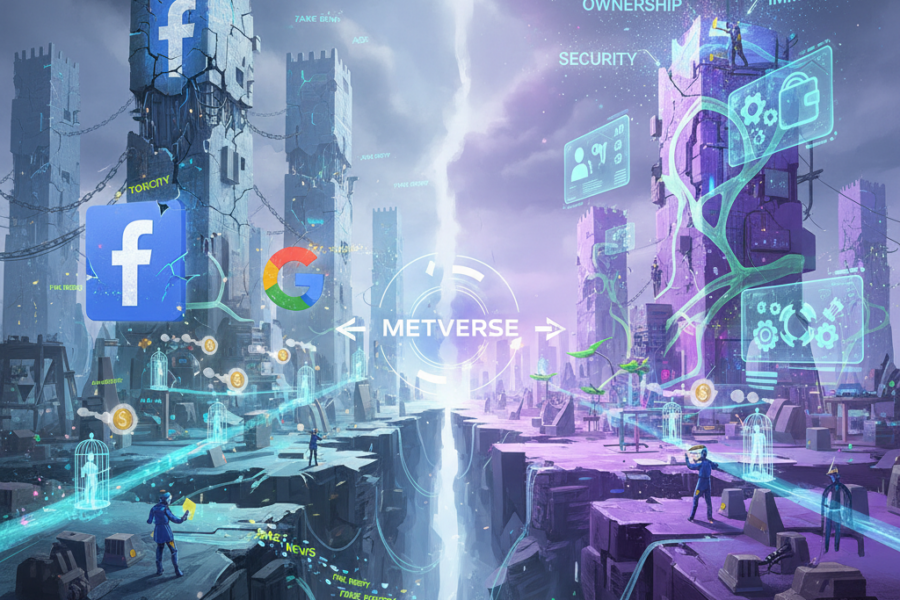
Why Social Media Is in Crisis and the Metaverse Is the Only Way Out
Let’s be honest: social media, as we know it, is broken. It was born with the utopian promise of connecting friends. But twenty years later, it has turned into a mass-media system saturated with ads, polluted by fake news, toxicity, and bots. Users no longer feel like owners of their content; they feel like products…
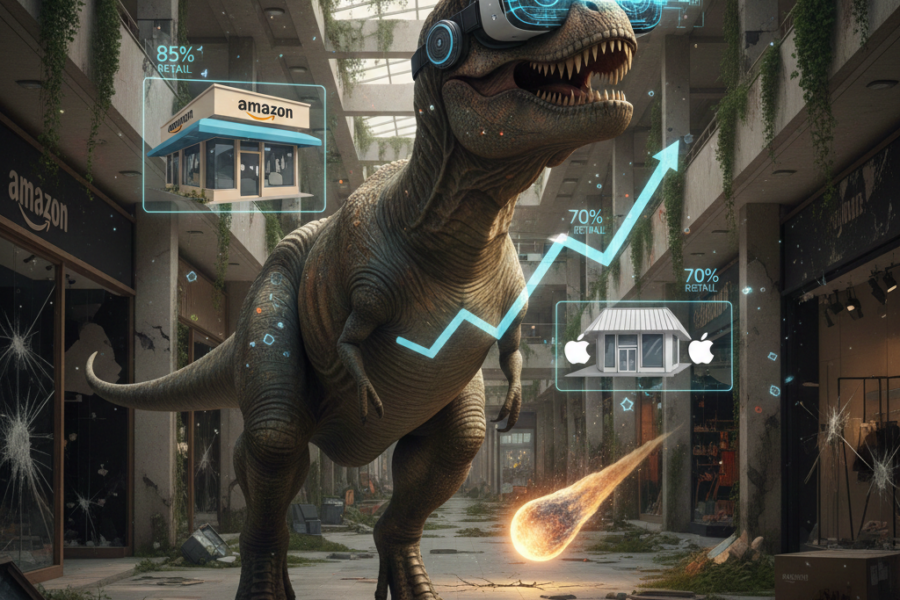
Why Generation Z Wants to Return to Stores (and Why Your Physical Location Is Your Best Digital Asset)
If you read the tech headlines of the past five years, you’d think physical stores are dinosaurs waiting for the meteorite. We’ve been sold the narrative that e-commerce will devour everything and that the future means living with VR headsets, never leaving home. But the data says the exact opposite. Even in 2022, e-commerce accounted…
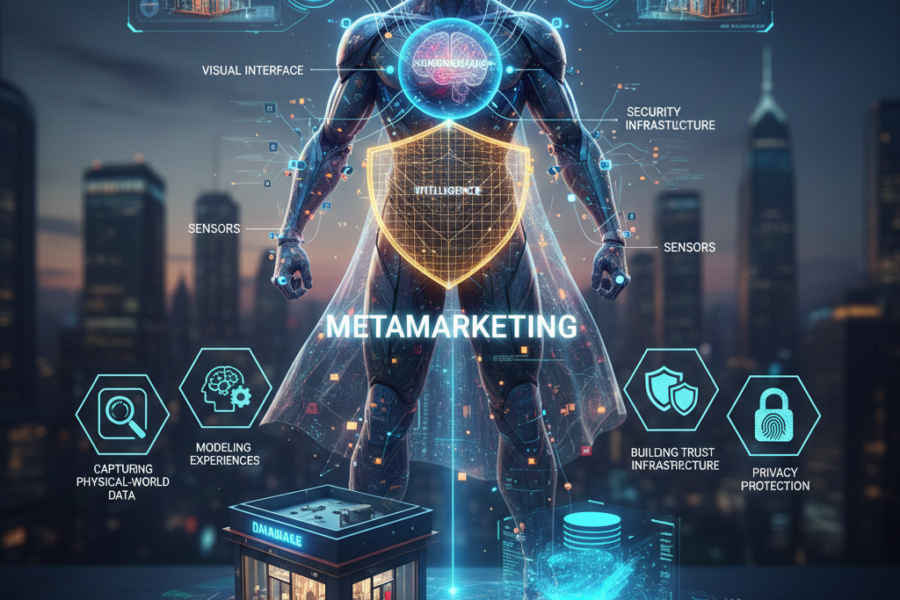
The “Iron Man” of Marketing: The 5 Technologies You Need to Build the Metamarketing Suit
Imagine for a moment that you want to build a superhero. You need a nervous system that senses the environment (sensors), a brain that processes that information (intelligence), a map to understand where it is (spatial awareness), eyes that interpret reality (visual interface), and a security system that guarantees identity (infrastructure). In today’s business world,…