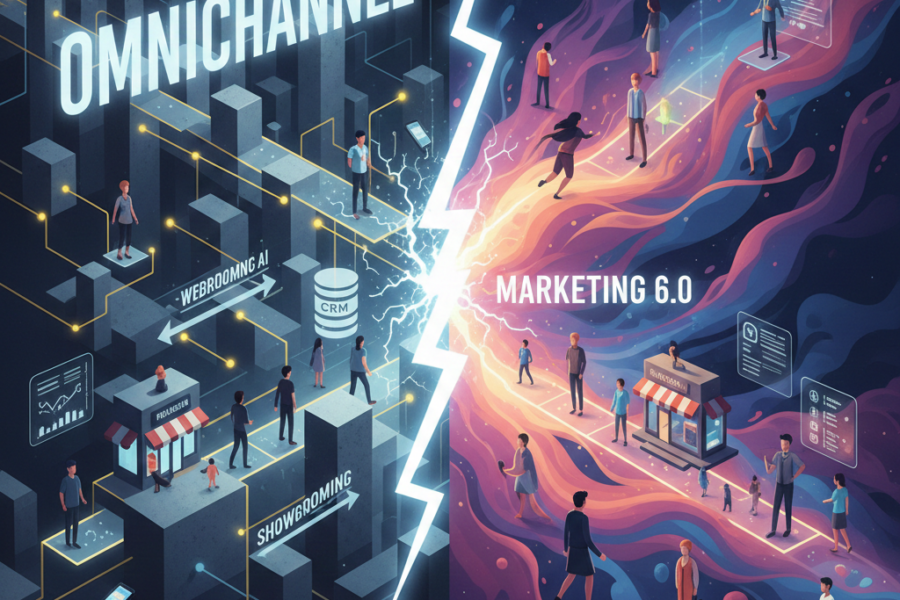
Why “Omnichannel” Is No Longer Enough — and How to Survive the Marketing 6.0 Tsunami
Over the past decade, boardrooms and marketing departments have lived under the dictatorship of a single word: Omnichannel. The promise was seductive and logical. If the customer had a smartphone in their hand and feet on the ground, our mission was to connect both worlds. We obsessed over terms like webrooming (research online, buy in-store)…
 Douglas Lux
The 7-Step Algorithm to Install Success into Your DNA (and Delete Failure)
John Dryden once said: “First we make our habits, and then our habits make us.” It’s a sentence that is terrifying and liberating at the same time. Terrifying, because it means that if today you are lazy, disorganized, or broke, it’s not fate’s fault—it’s because you’ve practiced being that way until it became automatic mastery….

Why Your Bank Account Is an Exact Reflection of Your Self-Esteem (and How to Reprogram It)
If you bought the most sophisticated computer on the market but installed a 20-year-old operating system full of viruses, what kind of performance would you get? A disaster. The hardware would be perfect, but the software would cripple its potential. According to Brian Tracy, this is exactly what happens to most people. They have the…
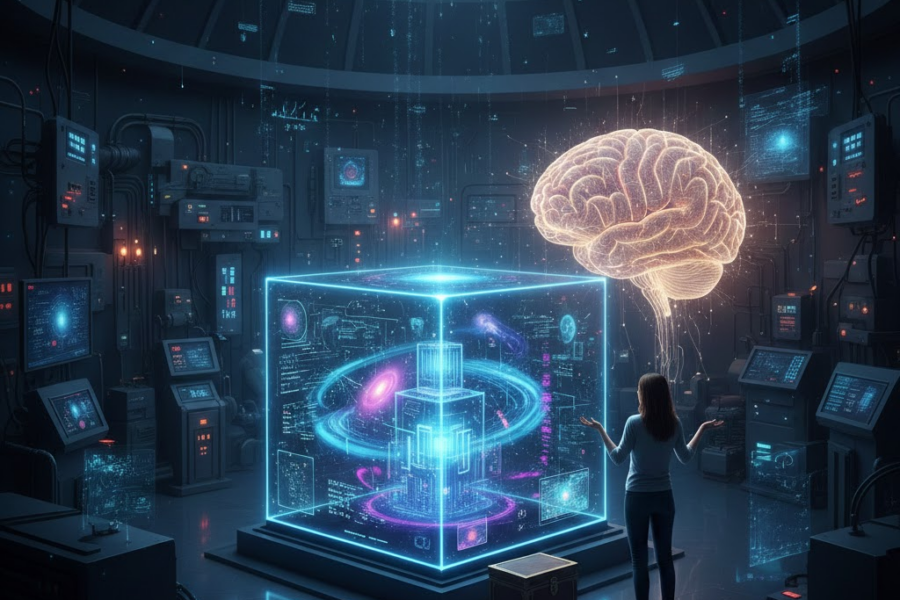
The Mental Physics Behind Your Success (and Why Luck Doesn’t Exist)
Imagine being gifted the most powerful supercomputer in the universe. It can process information at unimaginable speeds, create virtual realities, and solve complex problems in nanoseconds. But there’s one small problem: it comes with no instruction manual. According to Brian Tracy, that is exactly your situation. You arrived in this world with a brain made…
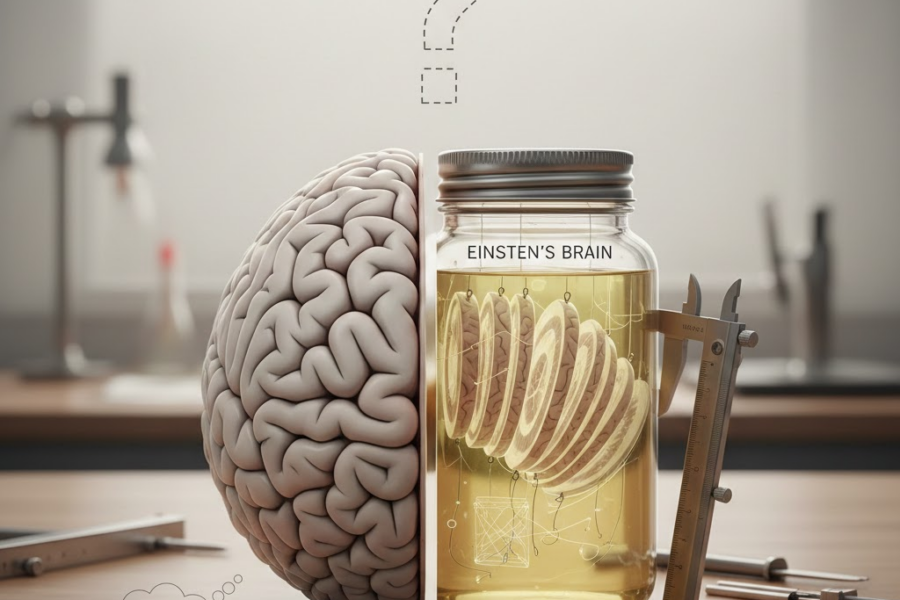
Exposed Wires, Small Worlds, and the Myth of the “Creativity Gene”
What did Einstein’s brain have that yours doesn’t?For decades, scientists kept his brain in a jar, sliced it into sections, and measured it obsessively, hoping to find something obvious. Was it bigger? Did it have more neurons? The answer was disappointing: no. In terms of basic hardware, Einstein’s brain was remarkably ordinary. In the tenth…
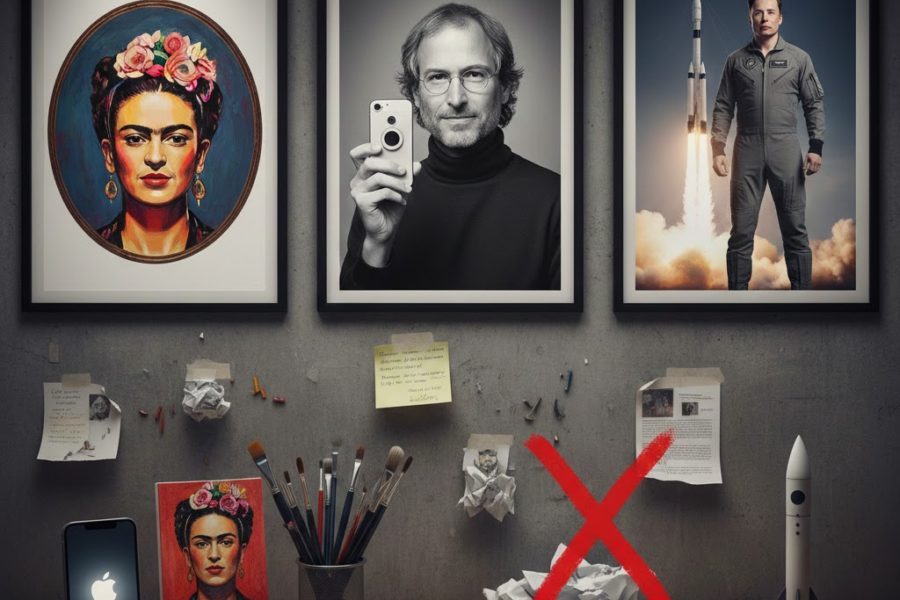
Why Your Brain Must Choose Between Being “Normal” or Being Brilliant
We admire rebels. We hang posters of Steve Jobs, Frida Kahlo, or Elon Musk in our offices. We celebrate those who “thought different.” But biological and social reality is far more hypocritical: we love the outcomes of nonconformity (the iPhone, the art, the rockets), but we despise the process of nonconformity. In everyday life, the…

The Neuroscience of “Directed Mind-Wandering” and the Creative Spark
Have you ever tried to force a brilliant idea? You sit in front of the computer, tense your muscles, furrow your brow, and command yourself: “Be creative. Now.”The result? Nothing. Total block. And yet, you go for a walk, step into the shower, or drift toward sleep—and suddenly… click. The solution appears fully formed, elegant,…
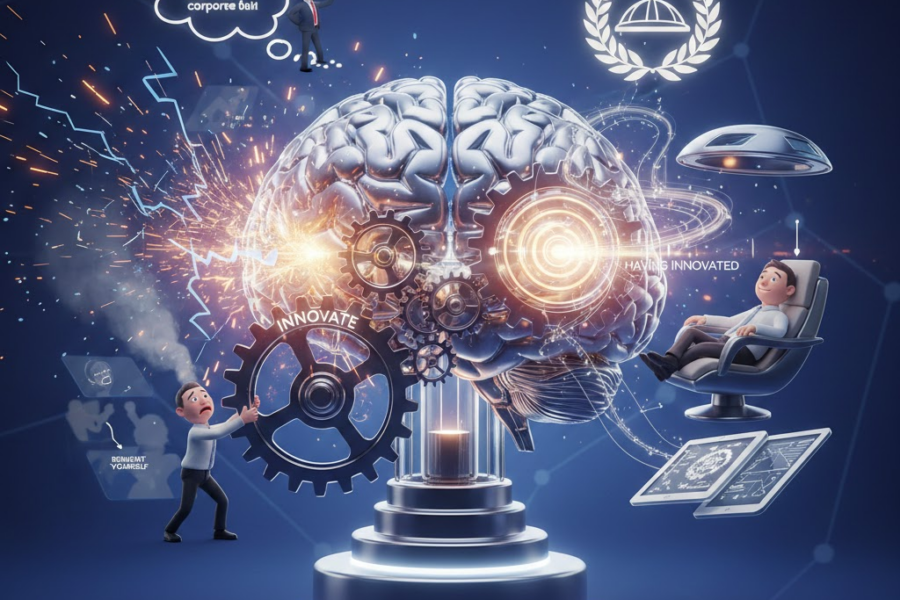
The Paradox of Craving Novelty and Hating Chaos
We live in an era that fetishizes the word “Innovation.” Companies put it in their mission statements, LinkedIn gurus preach it, and we feel guilty if we’re not “reinventing ourselves” every six months. But there’s a problem: deep down, your brain doesn’t like innovating all the time.It likes having innovated. In the sixth chapter of…
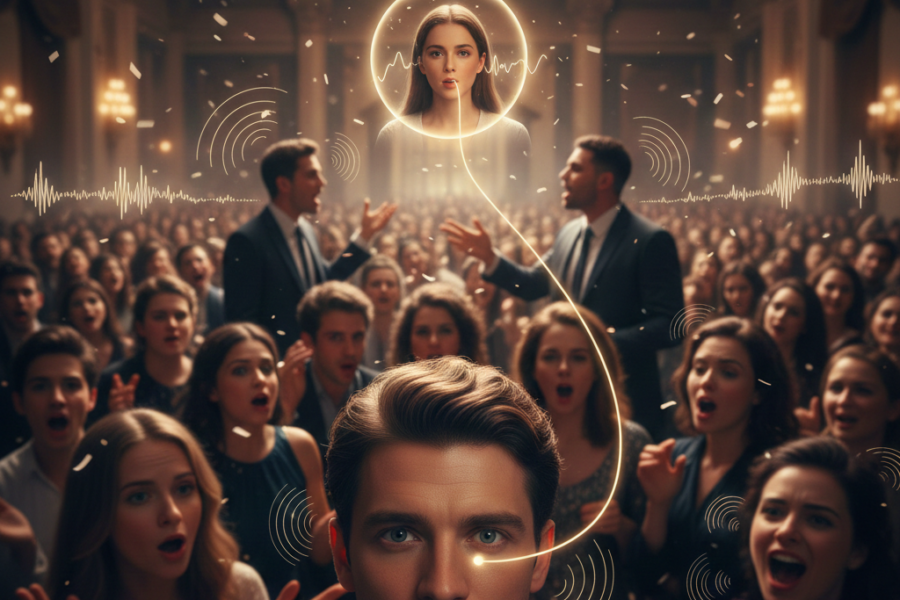
Why Your Brain Ignores 99% of Life (and How to Hack It to Innovate)
You’re at a noisy party. Hundreds of people are talking at the same time. The noise is overwhelming. But suddenly, someone across the room softly mentions your name—and miraculously, you hear it. How is that possible? How did your brain filter tons of noise and let that single weak signal through? The answer is one…
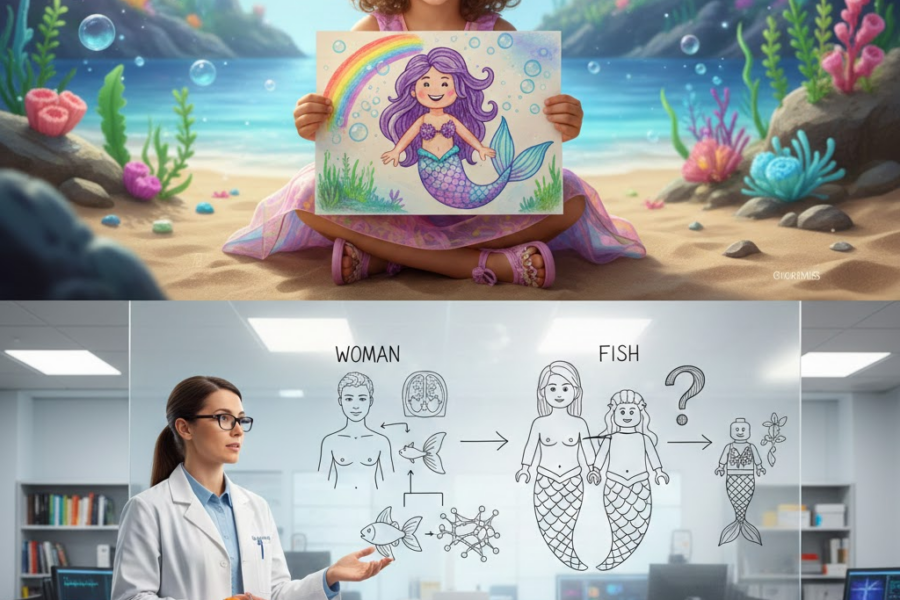
The Neural Engineering Behind Your Next Big Idea
Ask a child what a mermaid is. They’ll tell you it’s a magical creature. Ask a cognitive neuroscientist what a mermaid is, and they’ll tell you it’s a fascinating category error: the forced fusion of one semantic concept (“woman”) with a completely different one (“fish”). In the fourth chapter of his work, Elkhonon Goldberg uses…