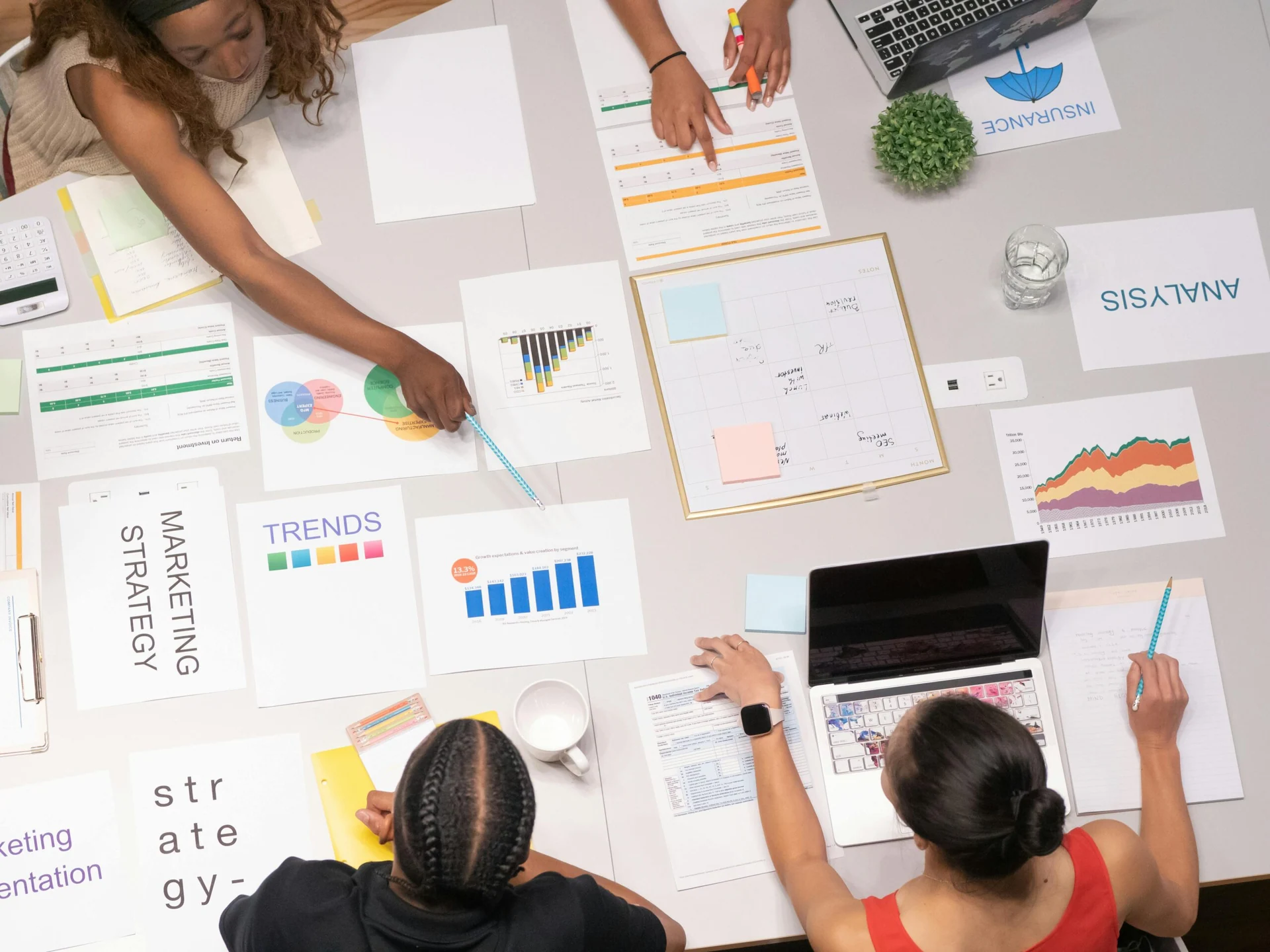
In the fast-paced modern world, the ability to handle multiple tasks simultaneously may seem like a necessity. However, the debate over the effectiveness of multitasking versus focusing on a single task at a time has been a topic of discussion among psychologists, productivity researchers, and professionals alike. This comprehensive analysis explores the benefits and drawbacks of multitasking and single-tasking, providing a detailed guide on when and how to employ each strategy to maximize efficiency and effectiveness in work and daily life.
1. Definition and Nature of Multitasking:
- What is Multitasking? Exploration of the concept of multitasking as the act of managing more than one task at the same time or rapidly switching between tasks.
- Types of Multitasking: Differentiation between cognitive multitasking (alternating between tasks that require mental processing) and physical multitasking (performing multiple physical activities simultaneously).
2. The Science Behind Multitasking:
- Brain Research and Multitasking: Discussion on how the brain handles multitasking, including limitations and the cognitive load involved in frequent task switching.
- Effects on Productivity: Analysis of studies showing that multitasking can reduce productivity by 40% due to errors and prolonged execution times.
3. Advantages and Disadvantages of Multitasking:
- Advantages: Description of situations where multitasking can be effective, such as in routine or low-demand cognitive tasks.
- Disadvantages: Discussion of the costs of multitasking, including decreased work quality, increased stress, and mental fatigue.

4. Single-tasking: Focusing on One Task:
- Benefits of Single-tasking: Evidence that focusing on one task at a time can improve work quality and job satisfaction, as well as reduce stress.
- Techniques to Improve Single-tasking: Practical strategies such as the Pomodoro technique, mindfulness meditation, and setting up a distraction-free work environment.
5. Case Studies and Real-life Examples:
- Case Studies in Corporate Settings: Analysis of how different industries implement single-tasking or multitasking practices and the effects on employee productivity and well-being.
- Personal Examples: Accounts of individuals who have shifted from multitasking to single-tasking and how it has affected their performance and mental health.
6. Recommendations for Individuals and Organizations:
- When to Multitask: Tips on specific situations where multitasking might be beneficial and how to minimize its negative effects.
- Promoting Single-tasking at Work: Suggestions for organizations that wish to foster a more focused and less stressful work environment.
7. Future of Productivity at Work:
- Emerging Trends: Discussion on future trends in time management and productivity, including emerging technologies that may affect the ability to multitask or single-task effectively.
- Developing Skills for the Future: Reflection on the skills professionals need to develop to manage the demands of an ever-changing work environment.
You might also be interested in: The Importance of Planning Your Social Media Campaigns
The choice between multitasking and single-tasking is not absolute and largely depends on the type of task, individual circumstances, and specific goals. While multitasking may offer benefits in terms of perceived efficiency, single-tasking is superior in terms of quality and long-term mental health. This analysis provides a solid foundation for understanding how to balance these approaches to maximize personal and professional productivity.
Stop the “switch-tasking” fatigue. Use GGyess WorkSuite to define your priorities on a personal agenda and focus on one task at a time while your team stays aligned through clear roles and deadlines. Reclaim your focus at GGyess.com
Put your next project in motion.
Explore GGyess and find a place to organize the work with your team.
Explore GGyess ↗