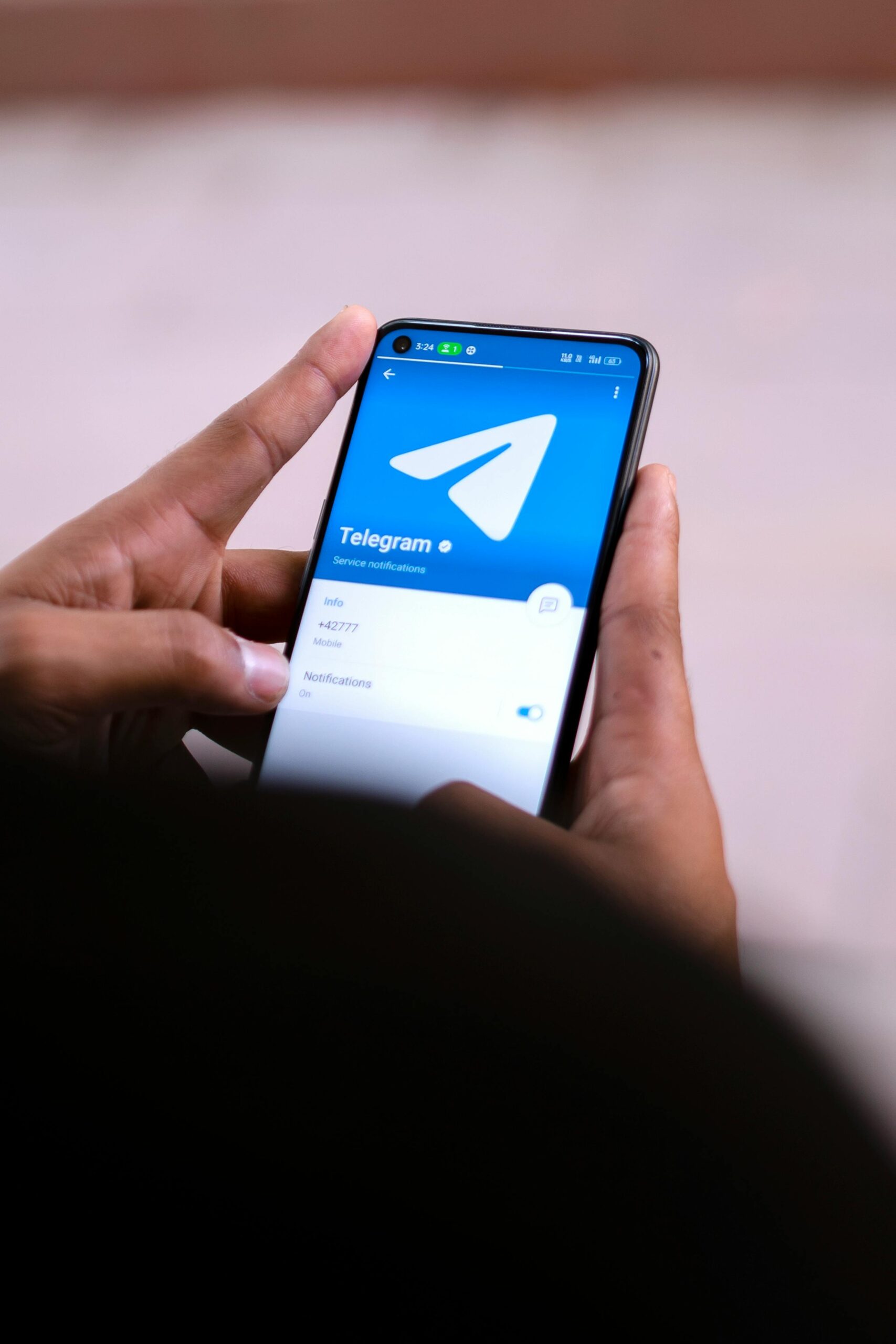
Telegram is an instant messaging application known for its commitment to security and privacy. Since its launch, Telegram has rapidly grown in popularity due to its distinctive features and focus on user privacy. This article details the history of Telegram, exploring its origins, evolution, and how it has positioned itself in the competitive messaging app market.
1. Origins of Telegram:
- Foundation: Telegram was founded in 2013 by brothers Nikolai and Pavel Durov, who also created the popular Russian social networking site VKontakte (VK). Disillusioned with the environment of censorship and lack of privacy in Russia, the brothers decided to create a messaging platform that prioritized user security and privacy.
- Motivation and Philosophy: Telegram’s vision was to offer a secure alternative to existing messaging platforms, in response to global concerns about online privacy and security. Telegram was developed on a unique encryption protocol called MTProto, designed to ensure the security of user data.
2. Distinctive Features of Telegram:
- End-to-End Encryption: One of Telegram’s main features is its optional end-to-end encryption, available in “secret chats.” These chats also offer features such as self-destructing messages and no message forwarding.
- Groups and Channels: Telegram allows the creation of groups with up to 200,000 members and channels with an unlimited number of subscribers, making the platform popular for community and professional use.
- Open API and Bots: Telegram has fostered a developer community by offering an open API and the ability to create bots, allowing users to customize their experiences and automate tasks.
3. Expansion and Growth:
- User Growth: Telegram has experienced significant growth in its user base, especially during events that raise privacy concerns on other platforms, such as policy updates on WhatsApp or political events involving censorship.
- Continuous Innovations: The platform continues to innovate with new features, such as voice and video calls, animated stickers, and an integrated photo/video editor, keeping the platform relevant and attractive to new users.

4. Challenges and Controversies:
- Legal Issues and Bans: Telegram has faced legal challenges in several countries, including a temporary ban in Russia due to its refusal to hand over encryption keys to Russian authorities.
- Use by Extremist Organizations: The same privacy and security that make Telegram appealing to ordinary users have also attracted extremist organizations, leading to debates about the platform’s responsibility.
5. Telegram Today:
- Market Position: Despite competition from giants like WhatsApp and Facebook Messenger, Telegram remains a popular alternative due to its unique combination of features, privacy, and openness.
- Future Plans: Telegram continues to explore new technologies and potential expansions of its services, including the possible development of a blockchain platform called Telegram Open Network (TON).

You might also be interested in: 12 Tips to Gain Followers on Social Media
The history of Telegram is a testament to the growing global desire for privacy and security in digital communication. From its founding in 2013 to the present, Telegram has proven to be an innovative and resilient platform, with a strong dedication to user security and transparency. As the global conversation about data privacy intensifies, Telegram is likely to continue playing a significant role in the landscape of messaging applications.